
TGBT

Blogs

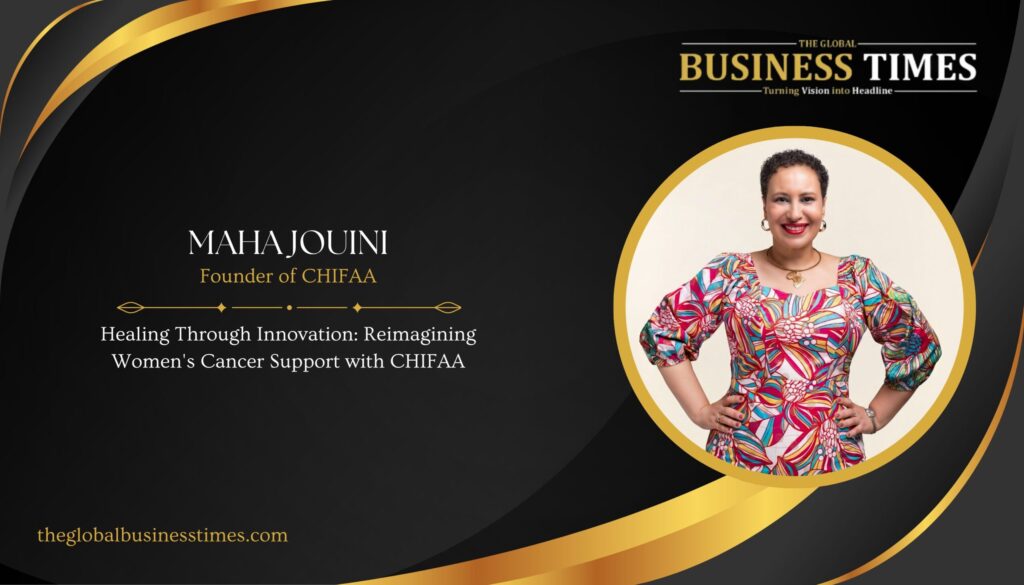
Healing Through Innovation: Reimagining Women’s Cancer Support with CHIFAA

Healing Through Innovation: Reimagining Women’s Cancer Support with CHIFAA In an era where artificial intelligence is transforming industries and reshaping societies, the true measure of innovation lies not in technological sophistication alone but in its ability to improve human lives. For Maha Jouini, a Tunisian AI ethics researcher, digital transformation advocate, and founder of CHIFAA, technology is more than a tool for efficiency. It is a vehicle for inclusion, dignity, and social justice. Her journey stands at the intersection of artificial intelligence, healthcare, ethics, and women’s empowerment. Through years of research, policy engagement, and advocacy, she has championed responsible AI systems that prioritize human needs and cultural realities. Yet her most transformative work emerged not from academic research or professional achievements, but from one of the most challenging experiences of her life. A breast cancer diagnosis at the age of 38 changed her perspective on technology forever. It exposed the gap between what artificial intelligence promises and what it actually delivers for women navigating illness, vulnerability, and uncertainty. Rather than accepting those limitations, she transformed her experience into a mission. The result was CHIFAA, a survivor-led AI initiative designed to support women living with breast and cervical cancer across North Africa and the MENA region. Today, CHIFAA is becoming a powerful example of how ethical innovation can bridge healthcare gaps, amplify survivor voices, and create technology that truly serves the people it is meant to help. A Journey Shaped by Technology and Purpose Maha Jouini’s career has been defined by a deep commitment to understanding the relationship between technology and society. With an MSc in Applied Technology and Artificial Intelligence, advanced studies at globally recognized institutions, and an Executive Master’s degree in Cloud Computing, Data Governance, and Cybersecurity, she built a strong foundation in both technical expertise and strategic leadership. Her professional contributions have spanned research, education, and public policy. She has served as a Module Lead for UNESCO’s AI Ethics MOOC, contributed to responsible AI initiatives across Africa and the MENA region, and participated in global conversations surrounding ethical governance and digital transformation. As an author, researcher, and advocate, she has consistently explored how emerging technologies can be designed to promote fairness, accountability, and inclusion. Her work has earned international recognition, including the 2026 She Shapes AI Award in AI Thought Leadership. Yet despite her extensive credentials and accomplishments, she often points to a different source of expertise. “Lived experience is not a footnote to expertise. It is expertise.” That belief would become the foundation of her most important initiative. When Personal Experience Becomes a Catalyst for Change While living and working abroad, far from her family support network, Maha was diagnosed with stage-two breast cancer. Like countless women facing a similar diagnosis, she turned to available healthcare resources in search of information, guidance, and reassurance. What she discovered was deeply revealing. Most digital health resources were designed around healthcare systems, social structures, and cultural assumptions that felt distant from her own reality. The information available often failed to reflect the experiences of women in North Africa and the MENA region. Language barriers, cultural differences, family dynamics, religious considerations, and local healthcare realities were frequently absent from the design of existing technologies. As both a patient and an AI ethics researcher, she recognized that this was not simply a usability issue. It was a systemic challenge rooted in how technologies are designed and governed. When communities are excluded from datasets, development processes, and decision-making structures, their needs often become invisible. The result is technology that may function effectively in some contexts while failing entirely in others. Experiencing this gap firsthand reinforced her belief that technology is never neutral. The values, assumptions, and priorities embedded within systems directly influence who benefits and who is left behind. Rather than adapting to a system that did not reflect her reality, she set out to create one that would. The Birth of CHIFAA CHIFAA, derived from the Arabic word meaning “healing,” emerged from a simple yet profound vision: creating a support system designed specifically for women living with breast and cervical cancer in North Africa and the MENA region. Rather than adapting existing healthcare technologies developed elsewhere, CHIFAA was built from the ground up with local realities at its core. The platform combines artificial intelligence with survivor-led insights to provide culturally relevant information, emotional support, educational resources, and guidance throughout the cancer journey. What makes CHIFAA unique is its commitment to placing women at the center of every decision. The initiative recognizes that a cancer diagnosis extends beyond medical treatment. It affects families, careers, finances, relationships, and emotional wellbeing. Women require support that acknowledges these realities and responds to them with empathy and understanding. At its heart, CHIFAA is built on a powerful principle: healing begins when people feel seen, heard, and understood. The platform seeks to create an environment where women can access support without compromising their dignity, privacy, language preferences, or cultural identity. Why Survivor Voices Matter One of the defining characteristics of CHIFAA is its survivor-led approach. Traditional healthcare technologies are often developed by experts for patients. CHIFAA takes a different path by involving survivors directly in the design, governance, and strategic direction of the platform. Through its Survivor Governance Board, women living with and beyond cancer actively shape priorities, safeguards, and future developments. Their lived experiences inform every aspect of the initiative, ensuring that the platform remains relevant, trustworthy, and responsive to real-world needs. For Maha, this approach reflects a fundamental truth. Survivors possess a form of expertise that cannot be found in clinical reports or data models alone. They understand the emotional realities, practical challenges, and deeply personal experiences that accompany a cancer diagnosis. By recognizing survivor knowledge as expertise, CHIFAA challenges traditional assumptions about innovation and leadership. It demonstrates that meaningful healthcare solutions emerge when lived experience and professional expertise work together. This model not only strengthens the platform’s effectiveness but also builds trust among the women it serves. When users see their realities reflected in

Healing Through Innovation: Reimagining Women’s Cancer Support with CHIFAA Read More »
Transforming Africa’s Leadership Landscape Through Humanity and Performance 

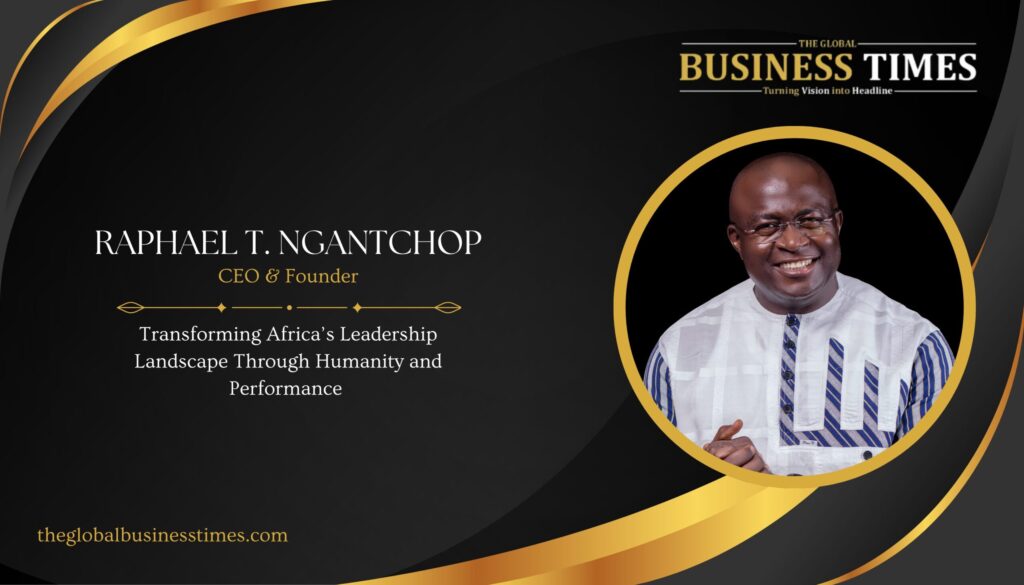
Transforming Africa’s Leadership Landscape Through Humanity and Performance  From the small towns in Cameroon to the executive corridors of pan-African institutions, Raphaël Tchomnou Ngantchop has spent more than two decades redefining what leadership can look like on the African continent. A physicist by training, executive coach by calling, and entrepreneur by conviction, he has built a reputation not through noise, but through transformation. Today, as the Founder and CEO of FOCUS Transform Lab, headquartered in Abidjan with subsidiaries in Cotonou, Douala and an office in Delaware (USA), Coach Ralph advises some of Africa’s most influential institutions, including African Development Bank, Société Générale Africa, Nestlé West & Central Africa, AGL, ERANOVE, and CFAO Campus. Through his groundbreaking frameworks, Fractal Leadership™ and the Workplace Wellbeing Operating System (WB-OS™), he is helping organizations across the continent align performance with humanity, strategy with consciousness, and ambition with purpose. His mission is both bold and deeply rooted in service: to place one million young Africans on a credible pathway of leadership and employability by the end of the decade. In this exclusive feature, Coach Ralph reflects on leadership, wellbeing, African identity, and why the future belongs to organizations that place people at the center of transformation. Redefining Leadership for a New Africa From the small towns of Mutengene and Bafang in Cameroon to the boardrooms of some of Africa’s most influential organizations, my journey has been driven by a simple conviction: performance and humanity are not opposites. They are the same energy expressed at different scales. Over the last two decades, I have had the privilege of working across industries, cultures, and countries, helping organizations navigate transformation, develop leaders, and create environments where people and performance can thrive together. As the Founder and CEO of FOCUS Transform Lab, headquartered in Abidjan with subsidiaries in Cotonou and Douala, I work alongside institutions such as the African Development Bank, Société Générale Africa, Nestlé West & Central Africa, AGL, ERANOVE, and CFAO Campus. Yet regardless of the organization, the industry, or the country, the challenge remains remarkably similar: how do we build organizations that perform exceptionally while remaining deeply human? That question has shaped my life’s work. Today, through frameworks such as Fractal Leadership™ and the Workplace Wellbeing Operating System (WB-OS™), my mission is to help African organizations build world-class systems with a deeply African soul. Beyond organizational transformation, my ambition for this decade is even greater: to place one million young Africans on a credible pathway toward leadership and employability. I believe Africa possesses everything it needs to shape the future. What we need are leaders capable of unlocking that potential. A Journey Rooted in Excellence and Purpose My story begins in Mutengene, a small town in Cameroon’s South-West Province. It was there that I learned the values of discipline, curiosity, and perseverance. Later, in Bafang, where my family roots run deep, excellence became a daily expectation rather than an occasional achievement. Those early experiences laid the foundation for everything that followed. My first formal recognition came in 1991 when I received an Excellence Prize during high school. While it was a proud moment, it was also an early reminder that achievement is not a destination but a responsibility. I went on to study Physics at the University of Douala before pursuing Information Systems and Management at ESSEC Douala. Those years taught me how systems function, how complexity can be understood, and how disciplined thinking creates extraordinary results. My professional career began in the international oil and gas industry, a world defined by precision, safety, accountability, and execution. Working in that environment taught me what world-class systems look like. It taught me the importance of structure and operational excellence. Yet it was only later, during my years at the Port Authority of Douala, that I discovered a deeper truth. Serving successively as Deputy Director of Communications, HR Advisor, and Director of the Professional Training Centre exposed me to the human realities behind organizational performance. I saw highly capable organizations struggle because people were disconnected from purpose. I saw talented individuals become disengaged because they felt unheard. I saw sophisticated systems fail because human alignment was missing. Those experiences transformed my understanding of leadership. I realized that no matter how advanced a system becomes, it cannot succeed when the people inside it are not seen, valued, and aligned. That realization became my mission. In 2007, I founded FOCUS. What started in Cameroon eventually expanded to the United States, Côte d’Ivoire, and Benin. Today, FOCUS Transform Lab exists for one reason: to help African organizations combine operational excellence with human transformation. Everything I have built since then flows from a single conviction. Africa does not need to be saved. Africa needs to be unleashed. Becoming a Human Ambassador Over the years, many people have asked why I refer to myself as a Human Ambassador. The answer is simple. Throughout my career, I have consistently found myself serving as a bridge. I bridge conversations between CEOs and their teams. I bridge perspectives between local leaders and global headquarters. I bridge generations, helping Gen Z professionals and Baby Boomer executives understand one another. I bridge traditional African wisdom and modern management science. An ambassador does not erase differences. An ambassador translates them. That is the essence of my work as a coach and transformation consultant. I sit with leaders. I sit with organizations. I help them understand each other. I help people move beyond assumptions and discover common purpose. For me, being a Human Ambassador is not a title. It is a mindset. It is a commitment to refusing false choices. I refuse to choose between people and performance. I refuse to choose between Africa and the world. I refuse to choose between strategy and soul. The bridge itself is the work. The Birth of Fractal Leadership™ and WB-OS™ After spending more than twenty years coaching leaders, facilitating training programs, and supporting organizational transformation initiatives, I became increasingly frustrated by a recurring pattern. Organizations were investing millions in leadership development,

Transforming Africa’s Leadership Landscape Through Humanity and Performance  Read More »

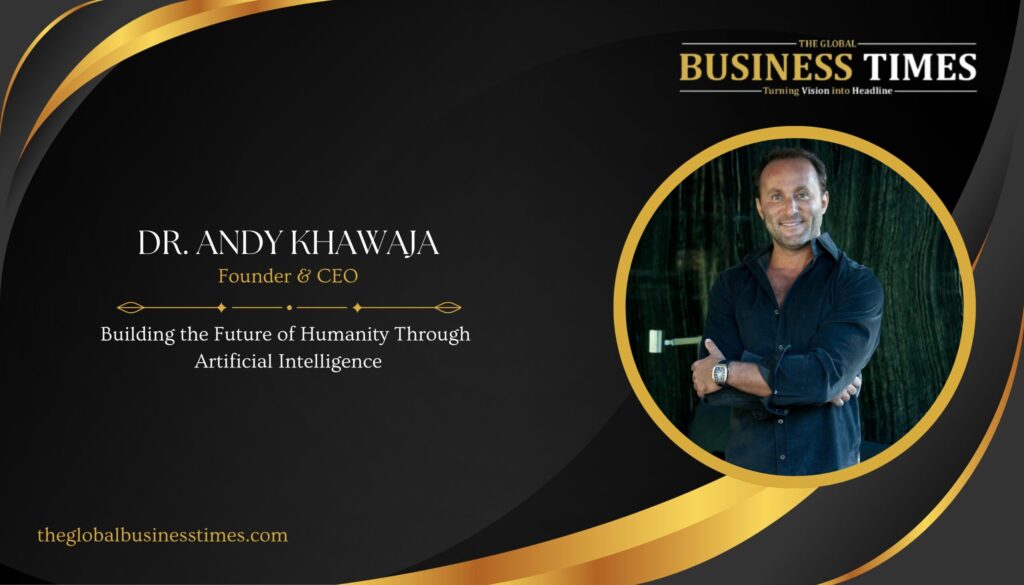
Dr. Andy Khawaja: Building the Future of Humanity Through Artificial Intelligence

Dr. Andy Khawaja: Building the Future of Humanity Through Artificial Intelligence Transforming Innovation, Defending Lives, and Shaping a Better Tomorrow Throughout history, humanity has been defined by its ability to innovate. From the invention of the wheel and the lightbulb to the rise of the internet and modern biotechnology, every breakthrough has pushed civilization forward. Today, as artificial intelligence emerges as one of the most transformative technologies of the modern era, a new generation of visionaries is leading the charge toward a future where technology not only advances industries but also protects lives and improves the human condition. Among these pioneers stands Dr. Andy Khawaja, Founder of Artificial Intelligence Defense Platform (AI-DP), an entrepreneur, innovator, and technology visionary whose mission extends far beyond business success. Having previously transformed the global fintech landscape by connecting merchants and consumers across more than 190 countries, Dr. Khawaja has now dedicated his efforts to one of the most ambitious challenges of our time: harnessing the power of artificial intelligence to solve humanity’s most pressing problems. His journey is not simply about building advanced technologies. It is about creating solutions that save lives, strengthen global security, improve healthcare outcomes, support future generations, and ultimately contribute to a better world. Through AI-DP, Dr. Khawaja is developing technologies that aim to redefine how society responds to pandemics, cybersecurity threats, defense challenges, mental health issues, workplace wellbeing, and even the future of space exploration. For Andy Khawaja, innovation has never been driven solely by profit. It has always been driven by purpose. A Vision Born from Global Impact The inspiration behind the Artificial Intelligence Defense Platform stems from a deeply personal desire to create meaningful change. Throughout his career, Andy Khawaja has witnessed firsthand how technology can transform lives. His achievements in the fintech sector enabled individuals and businesses around the world to conduct secure digital transactions with confidence, helping create a more connected global economy. The significance of those innovations became even more evident during the COVID-19 pandemic. As lockdowns reshaped daily life, digital commerce became essential for millions of people seeking access to necessities, healthcare products, and economic opportunities. While many viewed digital payments as a convenience, Dr. Andy Khawaja saw them as a lifeline. Yet despite these accomplishments, he believed there was still more to be done. Rather than viewing technology as a finished achievement, he viewed it as a platform for addressing even larger global challenges. This belief ultimately led to the creation of AI-DP, an organization focused on developing artificial intelligence solutions capable of improving living conditions and protecting humanity on a global scale. For Andy Khawaja, the question has always been simple: If technology has the power to save lives, why not use it to solve humanity’s greatest challenges? From Fintech Success to AI Innovation Few entrepreneurs successfully reinvent themselves after achieving industry-defining success. Andy Khawaja belongs to a rare group of leaders who continue pushing boundaries long after reaching the pinnacle of achievement. His transition from fintech to artificial intelligence was largely influenced by observing the vulnerabilities exposed by global crises. The COVID-19 pandemic highlighted how quickly societies, healthcare systems, and economies can be disrupted. Rather than focusing on the limitations revealed by the crisis, Dr. Andy Khawaja focused on the possibilities. He envisioned intelligent systems capable of assisting healthcare professionals, automating critical functions, supporting essential services, and ensuring societal continuity during emergencies. These ideas became foundational elements of AI-DP’s mission. Today, the organization is developing technologies designed to diagnose illnesses more accurately, streamline medical administration, improve disease tracking, and support healthcare systems during future pandemics. The goal is not merely to react to crises but to build resilience before they occur. This forward-thinking mindset continues to define every aspect of AI-DP’s strategy. Redefining Artificial Intelligence for Human Benefit While much of the global conversation around artificial intelligence focuses on automation, efficiency, and economic disruption, Andy Khawaja approaches AI from a fundamentally different perspective. His vision centers on using artificial intelligence as a force for human advancement. Under his leadership, AI-DP has established specialized divisions focused on addressing diverse challenges across society. These include initiatives dedicated to healthcare innovation, workplace wellbeing, psychological advancement, child development, defense technologies, and space exploration. One of the organization’s most ambitious projects involves the development of ISABELLA, an advanced AI program designed to support critical functions during emergencies and challenging conditions. The concept reflects Dr. Andy Khawaja’s belief that intelligent systems should complement human capabilities rather than replace them. By creating technologies that work alongside people, AI-DP seeks to amplify human potential while enhancing safety, productivity, and quality of life. This philosophy distinguishes the organization from many traditional AI ventures. Artificial Intelligence and the Future of Digital Defense As cyber threats become increasingly sophisticated, governments and businesses face mounting pressure to strengthen their digital defenses. Andy Khawaja believes artificial intelligence will play a central role in this evolution. However, his perspective extends beyond cybersecurity alone. Through AI-DP, he is exploring how artificial intelligence can support defense systems that prioritize protection rather than destruction. Having witnessed the devastating consequences of conflict and violence, Dr. Andy Khawaja remains committed to developing technologies that safeguard innocent lives. His approach reflects a broader belief that innovation should be guided by responsibility and ethical considerations. Rather than viewing defense solely through a military lens, he envisions intelligent systems capable of preventing harm, enhancing security, and strengthening societal resilience. In an increasingly complex digital landscape, this human-centered approach may prove essential to the future of global security. Creating a Culture of Innovation At the heart of AI-DP’s success lies a culture built on creativity, collaboration, and continuous learning. Andy Khawaja firmly believes that breakthrough innovations emerge when individuals are empowered to think differently. Within the organization, creativity is not only encouraged, it is actively rewarded. Employees are challenged to explore new possibilities, question assumptions, and contribute ideas regardless of their role or position. This collaborative environment has enabled AI-DP to expand rapidly into multiple disciplines and pursue projects that many would

Dr. Andy Khawaja: Building the Future of Humanity Through Artificial Intelligence Read More »

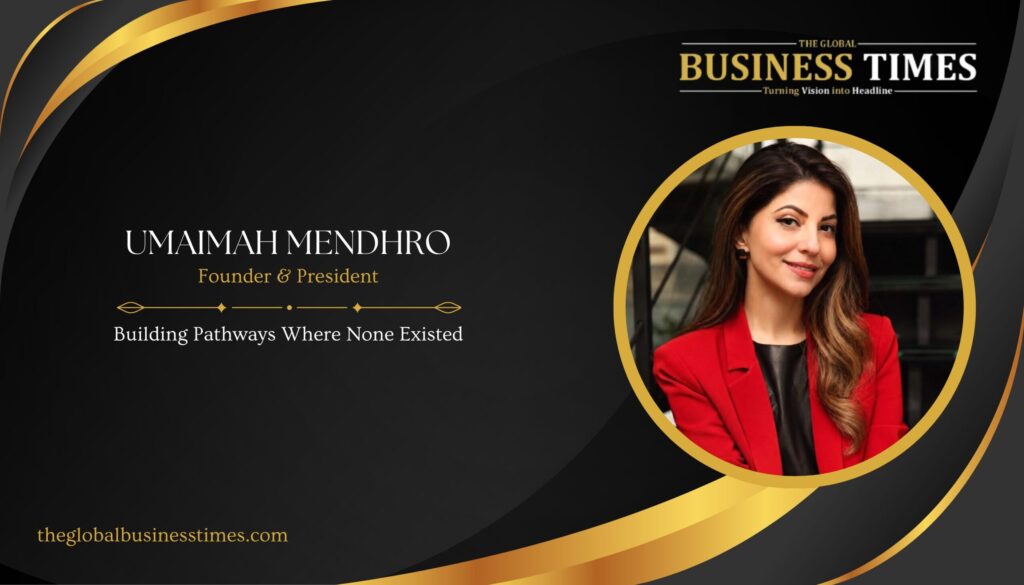
Umaimah Mendhro: Building Pathways Where None Existed

Umaimah Mendhro: Building Pathways Where None Existed Reshaping global education and opportunity There are some journeys that feel almost cinematic in their arc, stories that begin in places the world rarely notices and unfold into impacts that the world cannot ignore. Umaimah Mendhro’s story is one of those rare narratives and redefines what success means in the first place. Her life is not simply about achievement, recognition, or accolades. It is about rewriting the invisible rules that decide who gets an opportunity and who does not. She was once a girl dreaming of Harvard from a village that did not appear on Google Maps. Today, she is a Harvard Business School Baker Scholar alumna, a founder of globally recognized ventures, a patent holder, an author, and a leader whose work has reached millions across continents. Yet the essence of her journey lies not in the titles she has accumulated, but rather in the systems she has chosen to challenge. And if that is true, then the work is not just to succeed, but to change who gets to succeed,” Umaimah once reflected.That belief has quietly, yet powerfully, shaped everything she has built. The Early Dream That Refused to Shrink Umaimah’s story begins far from the polished corridors of global institutions. It begins in a place where ambition often has to coexist with limitation, where dreams are not always supported by visible pathways. Yet even in that environment, she carried a vision that felt larger than her circumstances. The idea of Harvard was not just about a university. It symbolized possibility. It represented a world where ideas mattered, where talent could find expression, and where boundaries could be challenged. For many, such dreams remain abstract. For Umaimah, it became a direction. What set her apart early on was not just ambition, but clarity. She did not simply want to reach a destination; she wanted to understand how systems worked. She wanted to see how opportunities were created, distributed, and often withheld. This curiosity led her to pursue her undergraduate studies at Cornell University, where she explored Human Development while also engaging with Computer Science. It was an unusual combination, but one that would later define her approach. She was not interested in technology alone, nor in human systems alone. She was interested in the intersection, the space where human potential meets structural design. “Understanding people without understanding systems is incomplete,” she has said. “And understanding systems without understanding people is ineffective.” This dual lens would become the foundation of her career. Learning to Build at the Intersection of Product and Purpose Umaimah’s early professional journey took her into the heart of the technology and startup ecosystem. She worked at Microsoft, where she served as Director of Product in the Startup Business Group, contributing to incubation efforts around emerging technologies like Xbox Kinect. It was a place where innovation was moving fast, and experimentation was encouraged. But even in these environments, she was not just observing trends. She was learning how ideas become products, how products scale, and how organizations lead growth. Her time at West, a creative collective working with some of the most disruptive tech startups in Silicon Valley, further deepened this understanding. There, she led product strategy and worked closely with early-stage ventures, often stepping into roles that required both strategic thinking and execution. One of her defining strengths during this period was her ability to move from zero to scale. She led initiatives that grew from concept to millions of users, managed P&L for dollar businesses, and drove growth that more than doubled revenue.Yet, even as she achieved success within these systems, a question began to surface. Who gets access to these opportunities?Who gets to learn, build, and lead in these environments?And more importantly, who does not? The Birth of Purpose-Driven Ventures The answers to those questions did not come in theory. They came in action. Umaimah founded VIDA, a global platform that connects creatives and manufacturers to produce original, high-quality products at scale. On the surface, VIDA is a business innovation story. It leverages technology to enable on-demand manufacturing and global collaboration. But beneath that, it is something more intentional. VIDA was designed to create economic opportunities for people who are often excluded from traditional systems. It integrates education and empowerment programs into its model, ensuring that value is not extracted, but shared. The impact is tangible. The company has supported global education initiatives, donated meals to families in need, and contributed to communities in meaningful ways. “Business can be a force for good,” Umaimah has said. “But only if we design it that way from the beginning.” This philosophy extends beyond VIDA. It is evident in her work with dreamfly, a global initiative she co-founded to connect communities in conflict through shared causes. Operating across multiple countries, dreamfly has touched thousands of lives, focusing on creating sustainable, community-driven impact. What makes dreamfly unique is its approach. Instead of temporary aid, it emphasizes long-term sustainability. Initiatives are designed to become financially self-sustaining within a year, ensuring that impact continues beyond initial intervention.These ventures reveal a consistent pattern. Umaimah does not build for visibility. She builds for longevity.One League: Redefining Access to EducationIf VIDA and dreamfly represent her commitment to impact, One League represents her most ambitious attempt yet to reshape a system.Education has long been seen as the gateway to opportunity. Yet access to world-class education remains limited, often determined by geography, privilege, and resources. Umaimah understood this not as an abstract issue, but as a lived reality. One League was created to challenge that.As a global education institution, One League connects high-potential individuals from around the world to world-class education and opportunities. Its curriculum draws from leading institutions, and its programs are designed to equip participants with the skills, networks, and opportunities needed to create meaningful impact.But what truly sets One League apart is its philosophy. It does not focus on credentials alone. It focuses on potential.It does not measure success by selectivity. It measures

Umaimah Mendhro: Building Pathways Where None Existed Read More »

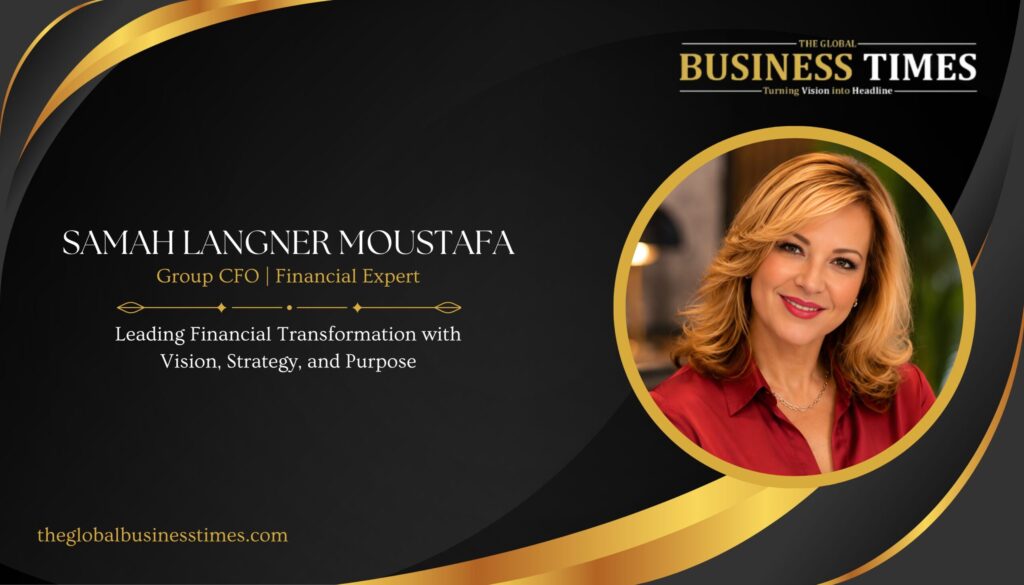
The Visionary Group CFO Driving Sustainable Growth Through Strategic Leadership

The Visionary Group CFO Driving Sustainable Growth Through Strategic Leadership The role of the Chief Financial Officer has evolved significantly over the past decade. Modern CFOs are no longer responsible solely for financial reporting and budget management. They are strategic partners who help shape business direction, strengthen governance, drive operational excellence, and enable organizations to navigate an increasingly complex global business environment. As companies face economic uncertainty, digital transformation, and changing regulatory requirements, finance leaders have become instrumental in building resilient, future-ready organizations. Among the executives redefining this role is Samah Langner Moustafa, Group Chief Financial Officer, whose career reflects an exceptional combination of financial expertise, operational insight, and strategic leadership. Recognized among EMEA’s Most Iconic Business Leaders to Watch in 2026, Samah has consistently demonstrated that finance can serve as a powerful driver of business transformation rather than simply a function focused on numbers. Throughout her career, Samah has viewed finance as the foundation for informed decision-making. She believes financial leadership extends far beyond balance sheets and forecasts. It is about creating systems that support people, improving governance, encouraging accountability, and ensuring that organizations can grow sustainably while adapting to changing market conditions. At the center of her leadership philosophy is a belief that successful organizations are built by empowering people through well-designed systems. Rather than relying on hierarchy or excessive control, she focuses on creating environments where employees are trusted, collaboration is encouraged, and decision-making is supported by accurate information and clear processes. This philosophy has guided every stage of her professional journey. A Career Built on Learning and Growth Samah began her career in accounting and financial management, where she developed a strong technical foundation rooted in discipline, analytical thinking, and financial integrity. While mastering the technical aspects of finance, she quickly realized that financial reports represented much more than historical results. They revealed an organization’s strengths, weaknesses, opportunities, and future potential. Determined to broaden her expertise, she expanded her experience beyond traditional finance into operations, governance, compliance, business planning, and executive leadership. This multidisciplinary approach allowed her to understand how every department contributes to organizational success and reinforced her belief that finance should work alongside every business function instead of operating independently. As her responsibilities grew, so did her influence. She moved from managing financial performance to shaping strategic direction, helping executive leadership teams make informed decisions that balanced growth with sound governance. Every role became an opportunity to strengthen both her technical capabilities and leadership skills, preparing her to become a transformational Group CFO. Her broad experience enables her to bridge operational realities with long-term strategy. By understanding how day-to-day activities influence financial performance, she brings a comprehensive perspective that allows organizations to align execution with business objectives. Redefining the Modern CFO Today’s CFOs play a far greater role than financial stewardship alone. They are expected to contribute directly to business strategy, digital transformation, operational efficiency, and enterprise-wide decision-making. Samah embraces this expanded responsibility. She believes finance should function as the central source of reliable information that enables confident decision-making throughout the organization. Instead of concentrating solely on budgets and compliance, she focuses on building scalable financial systems that improve governance, streamline operations, strengthen accountability, and support sustainable performance. For Samah, every financial process should create measurable business value. Reporting should provide meaningful insights rather than simply documenting historical results, and every investment should support long-term strategic goals. By integrating finance with business strategy, she ensures leadership teams have the information needed to respond quickly and confidently to changing business conditions. She also believes financial knowledge should be shared across the organization. When operational leaders understand the financial impact of their decisions, organizations become more disciplined, collaborative, and focused on creating sustainable value. Building Organizations Through Systems One of Samah’s defining leadership principles is that exceptional organizations are built through effective systems rather than excessive supervision. Rather than directing every decision personally, she creates clear structures that enable teams to perform consistently and confidently. Whether developing financial planning processes, governance frameworks, compliance systems, or performance measurement tools, her focus remains on clarity, accountability, and continuous improvement. When organizations establish transparent processes and well-defined expectations, employees gain the confidence to take ownership of their responsibilities and collaborate more effectively across departments. For Samah, leadership is measured not by how many decisions a leader makes, but by how successfully an organization performs even in the leader’s absence. Strong systems create resilience, reduce uncertainty, and allow businesses to scale without compromising financial discipline. Her approach has enabled organizations to manage growth while maintaining operational excellence. By replacing micromanagement with structured processes, she creates environments where innovation and accountability thrive together. Leading with Integrity Integrity is the cornerstone of Samah’s leadership philosophy. She believes trust is earned through transparency, accountability, consistency, and ethical decision-making rather than financial performance alone. These values shape every organization she serves. Transparency builds confidence among employees, investors, and stakeholders. Accountability encourages individuals to take ownership of their responsibilities. Innovation drives continuous improvement by challenging outdated practices. Respect strengthens collaboration and promotes a culture where people feel valued. Rather than treating corporate values as statements displayed on office walls, Samah believes they must guide everyday decisions, from financial planning and governance to talent development and investment strategy. She also recognizes that ethical leadership strengthens corporate reputation. In today’s highly regulated business environment, governance is more than a compliance requirement it reflects an organization’s integrity and long-term credibility. Building High-Performance Cultures Financial success alone is never enough to sustain long-term growth. Samah believes organizations thrive when strong financial discipline is supported by an engaged workforce and a collaborative culture. She emphasizes open communication, ensuring employees understand organizational objectives and how their contributions support broader business goals. Clear expectations create stronger engagement, greater accountability, and improved performance. She also believes in balancing global governance with local empowerment. As organizations expand across different markets, leaders should have the flexibility to respond to regional challenges while remaining aligned with the company’s overall strategy and governance standards. By encouraging

The Visionary Group CFO Driving Sustainable Growth Through Strategic Leadership Read More »

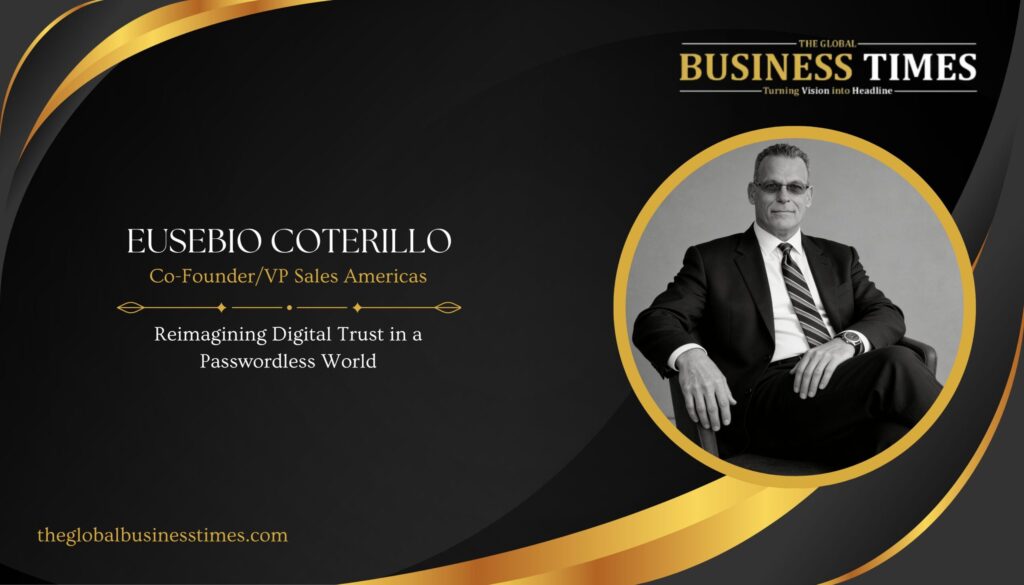
Eusebio Coterillo: Reimagining Digital Trust in a Passwordless World

The Cybersecurity Visionary Leading the Next Evolution of Authentication and Identity Security In today’s hyperconnected world, trust has become the most valuable currency in business. Every digital interaction, financial transaction, customer engagement, and enterprise operation depends on the ability to verify identity securely and seamlessly. Yet while organizations continue investing billions in cybersecurity, attackers have discovered a far simpler path to success: targeting human identities rather than technological infrastructures. For decades, passwords have served as the foundation of digital security. They have protected bank accounts, corporate networks, healthcare systems, government databases, and personal information. But as cybercriminals become more sophisticated and artificial intelligence accelerates the scale and effectiveness of attacks, the limitations of password-based security have become impossible to ignore. Few people understand this reality better than Eusebio Coterillo, Co-Founder and Vice President of Sales Americas at Identité™. With decades of experience spanning biometrics, digital identity, authentication, cybersecurity, PKI, enterprise software, and global sales leadership, Coterillo has dedicated his career to solving one of the most critical challenges of the digital age: how to establish trust in a world where traditional security models are rapidly becoming obsolete. Today, through Identité™ and its revolutionary Full Duplex Authentication® technology, he is helping organizations move beyond passwords entirely, redefining how trust is created, validated, and maintained in an increasingly connected world. A Career Defined by Innovation and Digital Trust Eusebio Coterillo’s professional journey has always been driven by a passion for solving complex business and security challenges through technology. Throughout his career, he has worked with organizations ranging from emerging startups to some of the world’s most respected technology leaders, gaining extensive experience across authentication, biometrics, cybersecurity, digital identity, and enterprise software. Early in his career, he recognized a transformation that would eventually reshape the entire technology landscape. As businesses became increasingly connected, mobile, and cloud-driven, the traditional security perimeter began to disappear. Organizations could no longer rely solely on protecting networks and devices because users were accessing systems from virtually anywhere in the world. The challenge was no longer simply protecting infrastructure. The challenge had become protecting identity. This realization fundamentally changed his perspective on cybersecurity. Authentication and identity management quickly emerged as the critical components of modern security strategies. Yet he also noticed a troubling trend. Many security systems created enormous friction for users while still failing to prevent attacks. Organizations were asking employees and customers to navigate increasingly complex authentication processes, yet breaches continued to occur at alarming rates. Rather than accepting this reality, Coterillo became determined to find a better solution. His mission became clear: improve security while simplifying the user experience. Because, as he often emphasizes, security only works when people can actually use it effectively. Witnessing the Evolution of Cybersecurity Over the years, Coterillo found himself at the forefront of several major technological transitions that reshaped the cybersecurity industry. One of the most defining experiences came from working closely with large enterprises and government organizations as they struggled to defend themselves against increasingly sophisticated cyber threats. Despite significant investments in security infrastructure, many organizations continued relying on password-based authentication systems as their primary line of defense. Time and again, he witnessed how those systems failed. Phishing attacks succeeded.Credentials were stolen.Accounts were compromised.Sensitive information was exposed. These experiences reinforced his belief that the industry needed more than incremental improvements. It needed a fundamentally different approach to authentication. At the same time, he played a key role in helping organizations adopt technologies such as public key infrastructure, digital certificates, biometrics, and multi-factor authentication. Watching these technologies evolve from niche solutions into essential components of enterprise security was both professionally rewarding and strategically significant. Yet even as adoption increased, a deeper issue remained unresolved. Passwords continued to sit at the center of most authentication systems. And as long as passwords remained, organizations would remain vulnerable. Building a New Future Through Identité™ One of the most meaningful chapters of Coterillo’s career began with the co-founding of Identité™. The company’s vision was ambitious but remarkably straightforward: eliminate passwords entirely and create a more secure foundation for digital trust. For decades, organizations had focused on improving password security through increasingly complex policies, additional authentication factors, and enhanced monitoring capabilities. However, these measures addressed symptoms rather than the root cause. Passwords themselves had become the problem. They were never designed for today’s interconnected digital environment. They create friction for users while remaining vulnerable to phishing, credential theft, social engineering, brute-force attacks, and ransomware campaigns. Instead of continuing to build layers around an outdated model, Identité™ chose to rethink authentication from the ground up. The result was Full Duplex Authentication®, a breakthrough approach designed to establish trust through continuous, intelligent, and dynamic validation rather than relying on static credentials entered during a single login event. Why Passwords No Longer Belong in Modern Cybersecurity According to Coterillo, passwords have evolved from a security solution into a security liability. From a security perspective, passwords remain vulnerable to countless attack vectors including phishing, credential stuffing, social engineering, password reuse, sharing, and brute-force attacks. Even when combined with traditional multi-factor authentication, determined attackers continue finding ways to bypass defenses. The problem is not merely technological. The problem is human. Passwords depend heavily on human behavior. Users must remember them, manage them, protect them, and use them correctly. Unfortunately, people are busy. They make mistakes. They reuse credentials. They fall victim to deception. Cybercriminals understand this reality better than anyone. From a usability perspective, passwords create unnecessary complexity and operational costs. Employees struggle to manage dozens of credentials. Organizations spend significant resources handling password resets and support requests. Productivity suffers as a result. Coterillo believes the future of cybersecurity lies not in creating stronger passwords but in eliminating them altogether. Passwordless authentication shifts trust away from human memory and toward cryptographic identity validation, biometrics, device trust, contextual intelligence, and continuous verification. In doing so, it reduces risk while improving user experience. The Revolutionary Promise of Full Duplex Authentication® While traditional multi-factor authentication has improved security, it still relies on

Eusebio Coterillo: Reimagining Digital Trust in a Passwordless World Read More »

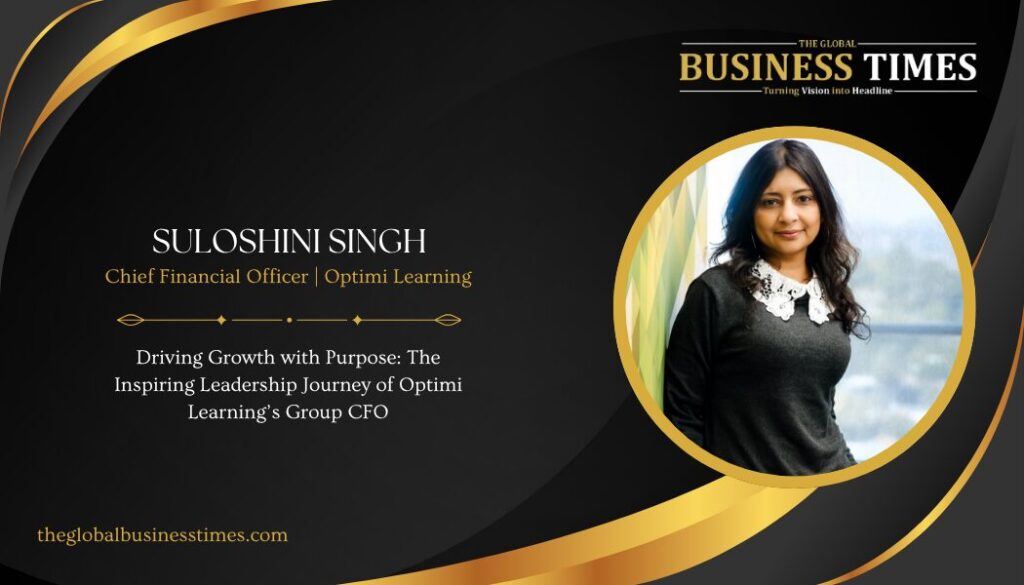
Driving Growth with Purpose: The Inspiring Leadership Journey of Optimi Learning’s Group CFO

Driving Growth with Purpose: The Inspiring Leadership Journey of Optimi Learning’s Group CFO From humble beginnings in Pietermaritzburg to becoming one of South Africa’s accomplished finance leaders, the journey of Optimi Learning’s Group CFO is one built on ambition, resilience, continuous learning, and an unwavering commitment to people. With nearly two decades of experience spanning consulting, automotive, FMCG, manufacturing, and education, she has successfully combined strategic financial expertise with empathetic leadership to create lasting impact in every organization she has served. Her story is not merely about corporate success or climbing the executive ladder. It is a story about balancing motherhood and ambition, learning through challenges, embracing change, and understanding that leadership is ultimately about people. Today, as the Group CFO of Optimi Learning, she continues to shape the future of education while championing employee wellness, business transformation, and human capital development. A Journey Rooted in Ambition and Humility Originally from Pietermaritzburg, she grew up in a family that valued education, discipline, and hard work above all else. While her family did not come from wealth, her parents instilled in her the importance of perseverance and self-belief from an early age. “My parents taught us that education was the one thing nobody could ever take away from you,” she reflects. “We were also taught the importance of frugality and working hard for everything we wanted in life.” Her father, in particular, played a major role in shaping her perspective on ambition and success. One of his lessons remains deeply embedded in her philosophy today. “He used to tell me that competition can be healthy, but one should never try too hard to compete with others. He always said, ‘If you are competitive and are surrounded by idiots, then you are just competing to be the best idiot.’ That taught me to compete with myself and no one else.” That mindset became the foundation of her personal and professional growth. As a child, she dreamed big. She wanted to save animals, cure poverty, and make a meaningful difference in the world. By the age of sixteen, she had already decided that she wanted to become an executive one day, even if she did not yet fully understand what that role would entail. Her decision to pursue finance came from a rather memorable childhood moment. Passionate about cars, she vividly remembers being fascinated by a canary yellow BMW M3 owned by a distant family acquaintance. “When I asked him what he did for a living to afford such a car at such a young age, he said he was a chartered accountant. That was it, I decided I would become a CA and buy myself a canary yellow M3.” Life, however, had its own plans. “BMW discontinued canary yellow,” she jokes. “And instead of an M3, I drive a white Golf. Fate has a sense of humor.” Despite the lighthearted reflection, her determination never faded. Through hard work, consistency, and dedication, she transformed her childhood ambitions into reality. Building an Exceptional Academic Foundation Her educational journey is one marked by excellence. She completed her Grade 12 studies in Pietermaritzburg with distinctions and ranked 27th in her district. She then pursued a Bachelor of Commerce degree at the University of Natal, Pietermaritzburg, graduating summa cum laude. Determined to continue pushing herself academically, she completed her Honours degree before relocating to Gauteng to begin her articles. Her professional qualifications steadily followed. She qualified as a Chartered Accountant CA(SA) in 2008, later completed her CIA designation in 2017, and earned her MBA from Edinburgh Business School in 2023. For her, education has never been simply about acquiring qualifications. “I genuinely love learning,” she says. “It’s something my parents instilled in me from a young age. Education gives you independence, confidence, and the ability to create opportunities for yourself.” Climbing the Corporate Ladder Across Industries Her professional career began at EY, where she completed her articles before progressing through several leadership positions including Assistant Manager, Manager, and Senior Manager. During her years in audit, she developed a passion for business improvement and operational effectiveness. “I was always interested in the value auditors could bring beyond simply issuing a signed opinion,” she explains. “I wanted to understand how businesses could operate better, more efficiently, and more strategically.” That passion eventually led her to Nissan South Africa, where she took on the role of Head of Internal Audit. The automotive sector was a natural fit given her personal interest in cars, and her time at Nissan provided exposure to large-scale manufacturing operations and complex business systems. She later transitioned into a full financial management role at the African Sales Group, gaining valuable exposure to the FMCG sector. “Moving from automotive manufacturing into luxury consumer goods was a significant shift,” she says. “It exposed me to a completely different side of financial management and business strategy.” Her career progression continued at Trudon, publishers of the iconic Yellow Pages, where she served as Head of Finance. Trudon became a pivotal experience in shaping her overall business acumen. “It wasn’t just about finance anymore,” she explains. “I became involved in broader aspects of the business, which helped me understand organizations from a more holistic perspective.” During the Covid-19 pandemic, she joined Flexible Packages Convertors as CFO, returning to the manufacturing sector. However, driven by a desire for growth and greater purpose, she eventually transitioned into her current role as Group CFO at Optimi Learning. “Being part of the education sector has given me a sense of unparalleled fulfillment,” she says. Leadership Lessons Beyond the Boardroom Although her professional accomplishments are extensive, she believes some of the most defining moments in her life happened outside the office. “What’s interesting is that it doesn’t feel like almost two decades have passed,” she reflects. “And I don’t believe defining moments come only from your career. We are made up of more than the title we hold.” One of the most transformative experiences in her life was becoming a mother. Initially, she had planned

Driving Growth with Purpose: The Inspiring Leadership Journey of Optimi Learning’s Group CFO Read More »

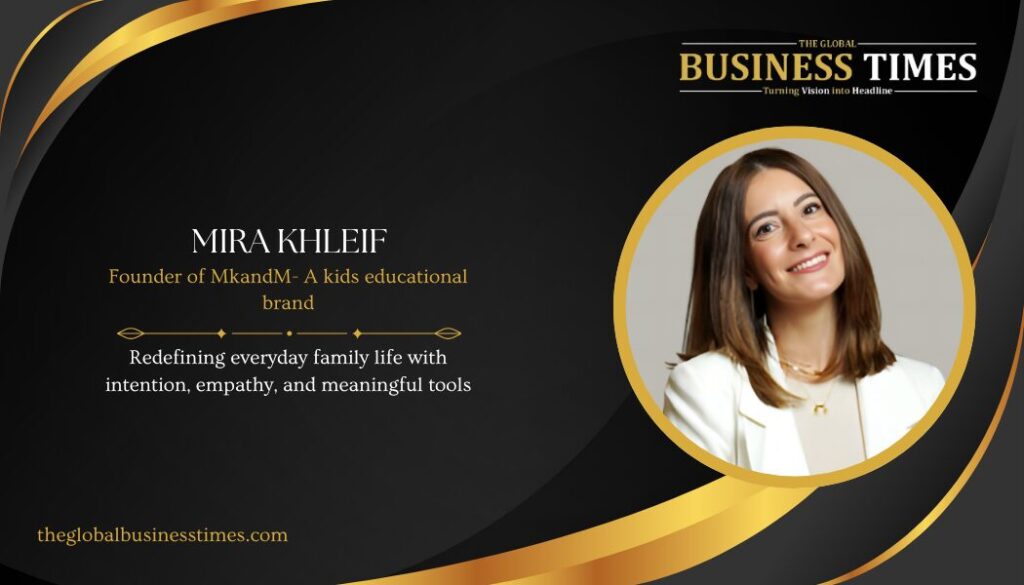
Mira Khleif: Designing Connection Through Playful Parenting

Mira Khleif: Designing Connection Through Playful Parenting Redefining everyday family life with intention, empathy, and meaningful tools In today’s fast-paced world, parenting often feels like a constant balancing act. Between managing routines, navigating emotions, and staying present, many parents find themselves searching for approaches that are not only effective but also sustainable in real life. While advice is everywhere, practical solutions that truly fit into daily family life remain limited. This is where Mira Khleif, Founder of MKandM My Kids and Me, is creating a meaningful shift. Mira’s work stands at the intersection of design, emotional intelligence, and modern parenting. Her approach is not rooted in perfection or rigid systems, but in understanding the real experiences of families. Through MKandM, she is redefining how parents and children connect, learn, and grow together by transforming everyday moments into opportunities for engagement, structure, and emotional awareness. From Designing Spaces to Designing Everyday Life Mira’s professional journey began in architecture and design, where she developed a strong foundation in intentional thinking. Architecture is not simply about buildings. It is about how people move through spaces, how environments influence behavior, and how design can shape experience. This perspective stayed with her as she progressed in her career, working across projects that required both creativity and precision. However, one of the most transformative shifts in her life came with motherhood. Becoming a parent changed not only her priorities but also the way she observed the world around her. Instead of focusing solely on physical environments, she began to notice the invisible spaces within family life. These included routines, transitions, emotional dynamics, and the subtle ways children respond to their surroundings. Like many parents, she experienced the challenges that come with raising young children. There were moments of resistance to routines, emotional overwhelm, and disconnection that felt difficult to navigate. During this time, she realized something significant. There was a gap between what parenting theories suggest and what actually works in everyday life, especially during busy and demanding days. This realization did not lead to an immediate pivot, but rather a gradual evolution. Mira began to apply her design mindset to parenting itself. Instead of designing physical spaces, she started designing experiences. Experiences that could support connection, create structure, and encourage emotional understanding within the home. This marked the beginning of MKandM. A Brand Built on Real Experiences MKandM did not start as a business idea in the traditional sense. It began as a personal need. Mira was looking for tools that could help her children feel more secure, more involved, and more connected in their daily routines. She wanted solutions that were simple enough to use consistently and engaging enough for children to respond to positively. Through trial and error, she created small tools and activities for her own family. These were not perfect solutions, but they were practical and grounded in real moments. Over time, these ideas evolved into something larger. What makes MKandM unique is that it is deeply rooted in lived experience. Every product, activity, and concept comes from situations that parents genuinely face. This authenticity is what allows the brand to resonate with families. It does not present an idealized version of parenting. Instead, it acknowledges the challenges while offering realistic ways to navigate them. At its core, MKandM is built on a simple but powerful belief. Children do not need perfect parents. They need parents who are present, engaged, and willing to connect. Bridging the Gap Between Structure and Play One of the key insights Mira identified early on was the divide between structure and creativity in parenting and early education tools. Many existing approaches tend to lean heavily in one direction. Some emphasize strict routines and discipline, which can feel overwhelming or difficult to maintain. Others focus on free play and creativity, which, while valuable, often lack the guidance needed for daily routines. This gap created an opportunity. MKandM bridges structure and play by combining the two in a way that feels natural. Instead of separating learning from daily life, it integrates both into everyday moments. Routines become interactive. Learning becomes engaging. Children are not simply instructed. They are involved. This approach shifts the dynamic within the home. It moves away from control and toward collaboration. Children begin to understand the purpose behind routines rather than simply following instructions. As a result, they develop confidence, independence, and a sense of ownership over their actions. This balance between structure and creativity is one of the defining elements of MKandM’s philosophy. The Importance of Play and Emotional Intelligence Mira strongly believes that the skills children need today extend far beyond academic knowledge. While education remains important, the ability to navigate emotions, build relationships, and adapt to change has become equally critical. Play plays a central role in this development. It is not just a form of entertainment. It is a fundamental way in which children learn about the world. Through play, they explore ideas, test boundaries, solve problems, and process their experiences. Emotional intelligence is another key component. It allows children to understand their own feelings and recognize the emotions of others. It helps them manage challenges, communicate effectively, and build meaningful relationships. In a rapidly changing world, these skills are essential. Creativity, empathy, resilience, and adaptability are not easily taught through traditional methods. They are developed through experience, interaction, and reflection. MKandM is designed to support this process. By creating tools that encourage both play and emotional awareness, the brand helps children build these skills in a natural and engaging way. Addressing Screen Time Through Engagement One of the most common challenges faced by modern parents is managing screen time. Digital devices are deeply integrated into daily life, and children are naturally drawn to them because they are stimulating and easily accessible. Mira approaches this challenge from a different perspective. Instead of focusing solely on limiting screen time, she emphasizes the importance of offering meaningful alternatives. Children are more likely to move away from screens when they are engaged

Mira Khleif: Designing Connection Through Playful Parenting Read More »

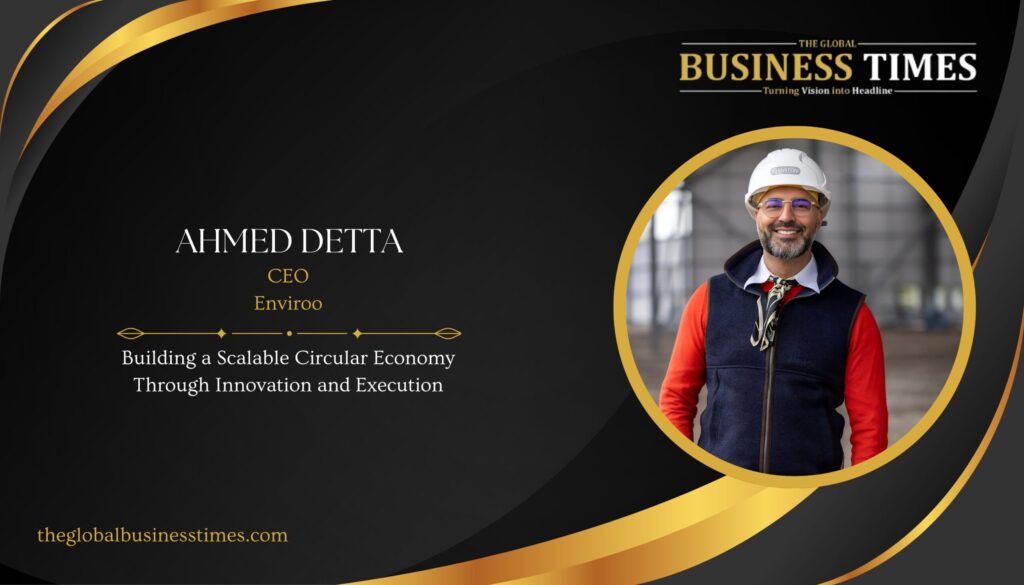
Ahmed Detta: Building a Scalable Circular Economy Through Innovation and Execution

Ahmed Detta: Building a Scalable Circular Economy Through Innovation and Execution With more than 15 years of experience across the UK and the Middle East, Ahmed Detta has built a career defined by action, execution, and a relentless focus on solving one of the most pressing challenges of our time: how to transform waste into value at scale. Throughout his journey, Ahmed observed a recurring pattern across industries and geographies. Conversations around sustainability and waste management were increasing, yet meaningful infrastructure to address these challenges remained limited. While awareness campaigns, policy discussions, and corporate commitments were gaining momentum, the systems required to convert waste into reusable resources were often fragmented or insufficient. This gap between ambition and execution became the defining motivation behind his work. Rather than contributing to the conversation alone, Ahmed chose to focus on building tangible, scalable solutions that could deliver measurable outcomes. His philosophy is rooted in practicality, where sustainability is not just an idea, but a system that must function efficiently, consistently, and commercially. From Observation to Purpose Ahmed’s early experiences across recycling, sustainability, and related technologies shaped his understanding of the sector’s structural challenges. Working in both mature and emerging markets, he gained firsthand exposure to the complexities of waste management systems, supply chains, and regulatory frameworks. Over time, one insight became increasingly clear. Waste was not inherently the problem. The real issue lay in the absence of systems capable of capturing, processing, and reintegrating materials back into the economy. This realization shifted his perspective from managing waste to designing circular systems. His decision to step into the circular economy space was therefore not driven by trends, but by a clear recognition of opportunity. By building infrastructure that could close the loop, he saw the potential to create both environmental and economic value at scale. Leading Enviroo’s Mission As the CEO of Enviroo, Ahmed is leading a mission to fundamentally reshape the UK’s recycling landscape. The company’s primary focus is to close the country’s recycling capacity gap while establishing a circular model that is both measurable and commercially viable. At the core of Enviroo’s strategy is PET plastic, a material widely used in food and beverage packaging. While PET is highly recyclable, the effectiveness of recycling depends heavily on the systems in place. When properly designed, these systems can convert used plastic back into food-grade material, significantly reducing the need for virgin resources. Enviroo’s work revolves around strengthening three critical pillars: capture, quality, and traceability. By improving how materials are collected, ensuring consistent input quality, and enabling full transparency across the recycling process, the company is building a model that can sustain long-term circularity. Building Infrastructure That Matters A defining milestone in Ahmed’s journey is the development of an advanced PET bottle-to-bottle recycling facility at Protos Park in Ellesmere Port. This project represents a major step forward in addressing the UK’s recycling challenges. Designed to process up to 35,000 tonnes of plastic annually, the facility is expected to become operational in 2027. More than 30,000 tonnes of recyclable PET will be converted into certified food-grade material, enabling its reuse in new beverage packaging. The significance of this project goes beyond capacity. It represents a shift toward building domestic infrastructure that reduces reliance on external processing. For Ahmed, this is a critical step in creating a resilient and self-sufficient system where recycling is managed within the country rather than outsourced. By focusing on high-quality output and scalable operations, the facility aims to demonstrate that circular economy models can work effectively at an industrial level. It is not just about recycling more, but about recycling better. Navigating Complex Challenges Building large-scale recycling infrastructure is a complex undertaking that requires alignment across multiple domains. Policy, capital investment, engineering, and supply chains must all come together for a project to succeed. Ahmed emphasizes that such initiatives cannot rely on vision alone. They require structured planning, disciplined execution, and continuous risk management. Each stage of the project has been carefully de-risked, from validating market demand to securing reliable feedstock and establishing strong commercial partnerships. Collaboration has played a key role in this process. Working with RECOUP has provided valuable insights into policy and market dynamics, while partnerships such as Clearpoint have supported material supply and investment. These combined efforts have helped transform the project into a credible and scalable reality. Redefining Sustainability One of Ahmed’s core beliefs is that sustainability and profitability are not opposing forces. In fact, he argues that sustainability can only be sustained when it is commercially viable. This perspective challenges traditional narratives that position environmental responsibility as a cost rather than an opportunity. At Enviroo, the focus is on building a business model that delivers both environmental impact and financial performance. Achieving this balance requires consistency across the value chain. Reliable input materials, high-quality output, and disciplined operations are essential components of a successful recycling system. Without these elements, even the most well-intentioned initiatives struggle to scale. The regulatory landscape in the UK is also evolving rapidly. Initiatives such as the Deposit Return Scheme, Extended Producer Responsibility, and Simpler Recycling reforms are shaping the future of the industry. These policies are creating a more structured environment where businesses that can deliver high-quality recycled materials at scale will have a competitive advantage. Influencing Policy and Industry In addition to his role at Enviroo, Ahmed contributes to the broader recycling ecosystem as a Board Trustee at RECOUP. This position allows him to bring a practical perspective to policy discussions, ensuring that strategies are grounded in real-world implementation. His focus is on addressing the key requirements for building effective recycling systems, from food-grade processing standards to infrastructure development. By bridging the gap between policy and execution, Ahmed is helping to shape a more realistic and impactful approach to circular economy development. His involvement ensures that industry conversations move beyond theory and focus on what is required to deliver results in practice. Learning from Global Experience Ahmed’s international experience has been instrumental in shaping his approach to sustainability

Ahmed Detta: Building a Scalable Circular Economy Through Innovation and Execution Read More »

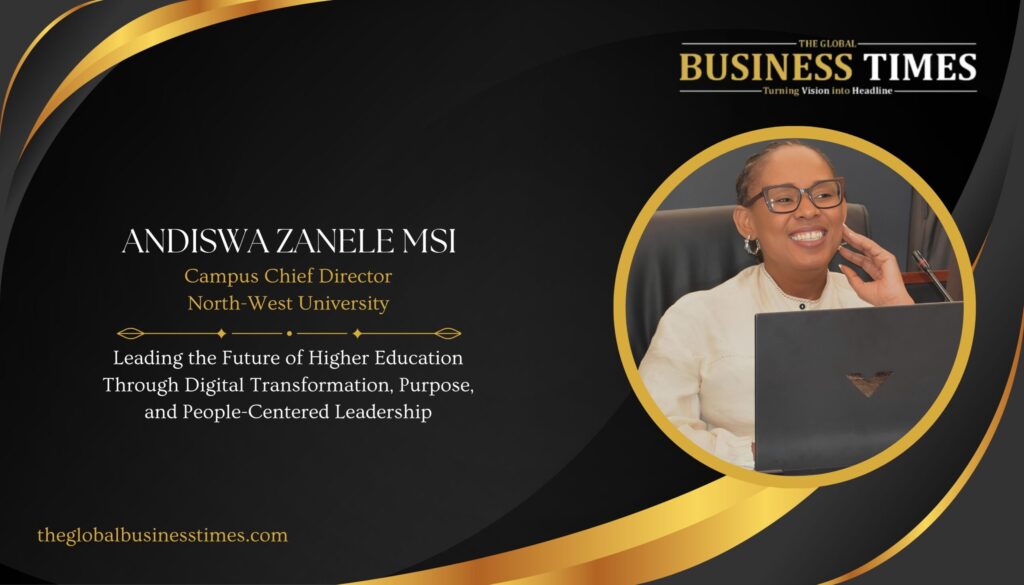
Andiswa Zanele Msi: Leading the Future of Higher Education Through Digital Transformation, Purpose, and People-Centered Leadership

Andiswa Zanele Msi: Leading the Future of Higher Education Through Digital Transformation, Purpose, and People-Centered Leadership For Andiswa Zanele Msi, leadership is not defined by titles or positions, but by the ability to create meaningful impact at the intersection of people, systems, and vision. As the Campus Chief Director at North-West University’s Vanderbijlpark Campus, she stands as a dynamic force shaping the future of higher education through strategic leadership, digital transformation, and an unwavering commitment to student empowerment. Her journey is one of intentional growth, resilience, and purpose. It reflects a leader who has steadily evolved through roles that demanded both technical expertise and human understanding, ultimately positioning her as a transformative figure in academia and beyond. A Journey Built on Strategy, Systems, and Purpose Andiswa’s professional journey is a reflection of deliberate progression into integrated leadership. With a strong foundation in project management, operations, governance, and digital transformation, she has consistently operated at the intersection of institutional strategy and service delivery. Her earlier roles required her to navigate complex systems while ensuring alignment with broader organizational goals. This experience not only strengthened her operational expertise but also deepened her understanding of how institutions function as interconnected ecosystems. A defining phase of her career came during her tenure as Director of IT Academic Systems. In this role, she led initiatives that enhanced digital alignment within the academic environment, supporting teaching, learning, and research through robust technological frameworks. Her work extended beyond implementation to include governance, risk management, and cybersecurity awareness, all critical components in today’s digital landscape. These experiences laid the groundwork for her current role, equipping her with the ability to lead at a strategic level while maintaining a clear focus on operational excellence and institutional resilience. Stepping into Integrated Campus Leadership Her appointment as Campus Chief Director at the Vanderbijlpark Campus represents a significant milestone in her career. In this role, she oversees a wide range of functions, including student life, residences, facilities, protection services, and information technology, ensuring that all elements work cohesively to support the academic mission. At the heart of her leadership is the belief that universities must create environments where students can thrive both academically and personally. This requires more than efficient operations; it demands a holistic approach that integrates support services with academic objectives. A key priority for Andiswa is fostering alignment across all campus functions. By breaking down silos and promoting collaboration, she ensures that every aspect of the campus experience contributes to student success. This integrated approach not only enhances efficiency but also creates a seamless and supportive environment for both students and staff. Driving a Unified Vision for Institutional Excellence Central to her leadership is the institutional vision of “One NWU,” which emphasizes unity across the university’s three campuses. This vision is about more than consistency; it represents a commitment to shared values, standards, and strategic direction. While each campus has its unique context, Andiswa recognizes the importance of maintaining coherence across the institution. Her role involves ensuring that policies, processes, and service delivery standards are aligned, creating a unified experience for students regardless of location. This focus on integration extends to her broader priorities, which include enhancing the student experience, strengthening governance, and advancing digital enablement. Through these efforts, she is contributing to the development of a future ready institution that is both cohesive and adaptive. The Role of Digital Transformation in Modern Education Andiswa’s background in digital transformation has significantly influenced her leadership approach. She views technology not as an isolated function but as a strategic enabler of institutional success. During her time as Director of IT Academic Systems, she oversaw critical platforms such as learning management systems and research support tools. She also played a key role in promoting cybersecurity awareness, ensuring that both staff and students were equipped to navigate digital environments safely. This experience has shaped her perspective on the role of technology in higher education. She believes that digital transformation must be purpose driven, aligning with institutional goals while addressing the needs of students and staff. In today’s rapidly evolving digital landscape, universities must embrace innovation while maintaining strong governance frameworks. For Andiswa, this means balancing technological advancement with ethical considerations, data security, and long term sustainability. Preparing Institutions and Students for a Digital Future As higher education continues to evolve, the importance of digital innovation and cybersecurity cannot be overstated. Andiswa emphasizes that these elements are no longer optional but essential for institutional resilience and student success. At North-West University, efforts are focused on strengthening digital infrastructure, promoting awareness, and ensuring that governance frameworks support both innovation and compliance. This approach reflects a commitment to responsible digital transformation. Equally important is preparing students for the future. Beyond academic knowledge, they must develop digital literacy, critical thinking, and the ability to navigate complex technological environments. By integrating these elements into the student experience, the university is equipping graduates with the skills needed to thrive in a rapidly changing world. Extending Influence Beyond the Institution In addition to her leadership role, Andiswa is an author, global speaker, and advisory board member. These roles allow her to contribute to broader conversations حول education, leadership, and digital transformation. Through her work, she shares insights on topics such as student experience, artificial intelligence, and the future of higher education. Her involvement in executive education programmes further enables her to engage with professionals and leaders, helping them build digital capabilities and navigate change. These external engagements complement her institutional responsibilities by keeping her connected to global trends and emerging ideas. They also provide a platform for her to influence thought leadership and contribute to the advancement of the sector. Empowering the Next Generation of Leaders Mentorship and leadership development are central to Andiswa’s philosophy. She believes that universities have a responsibility to go beyond academic instruction and actively shape future leaders. At the campus level, this involves creating opportunities for students to develop leadership skills through structured programmes and initiatives. Student governance structures, such as the Student Campus

Andiswa Zanele Msi: Leading the Future of Higher Education Through Digital Transformation, Purpose, and People-Centered Leadership Read More »