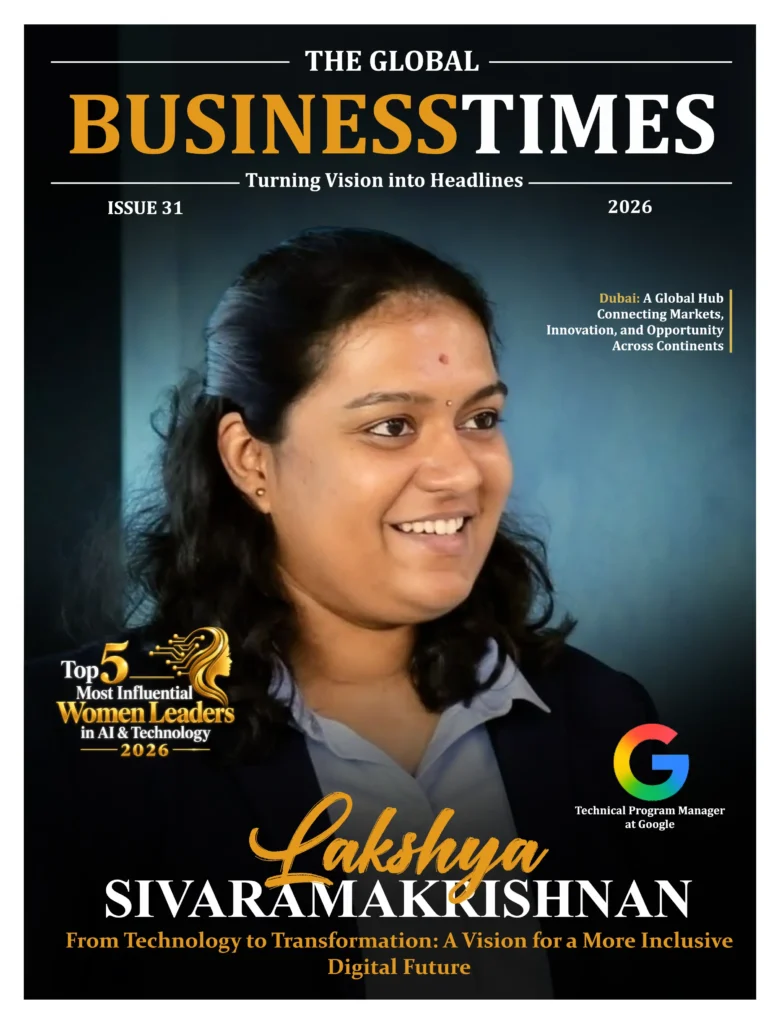
Top 5 Most Influential Women Leaders in AI & Technology, 2026
Top 5 Most Influential Women Leaders in AI & Technology, 2026 Read More »



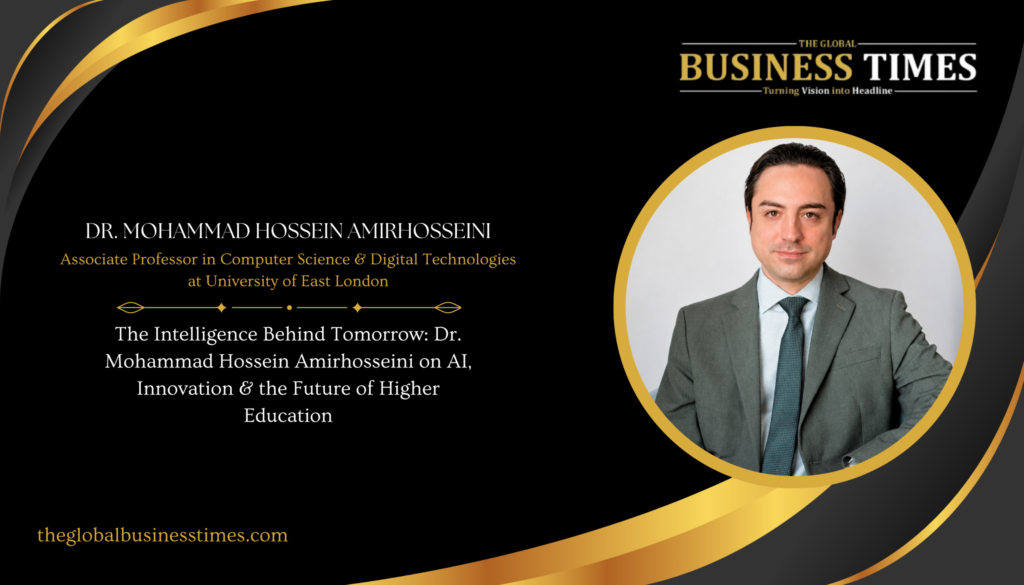
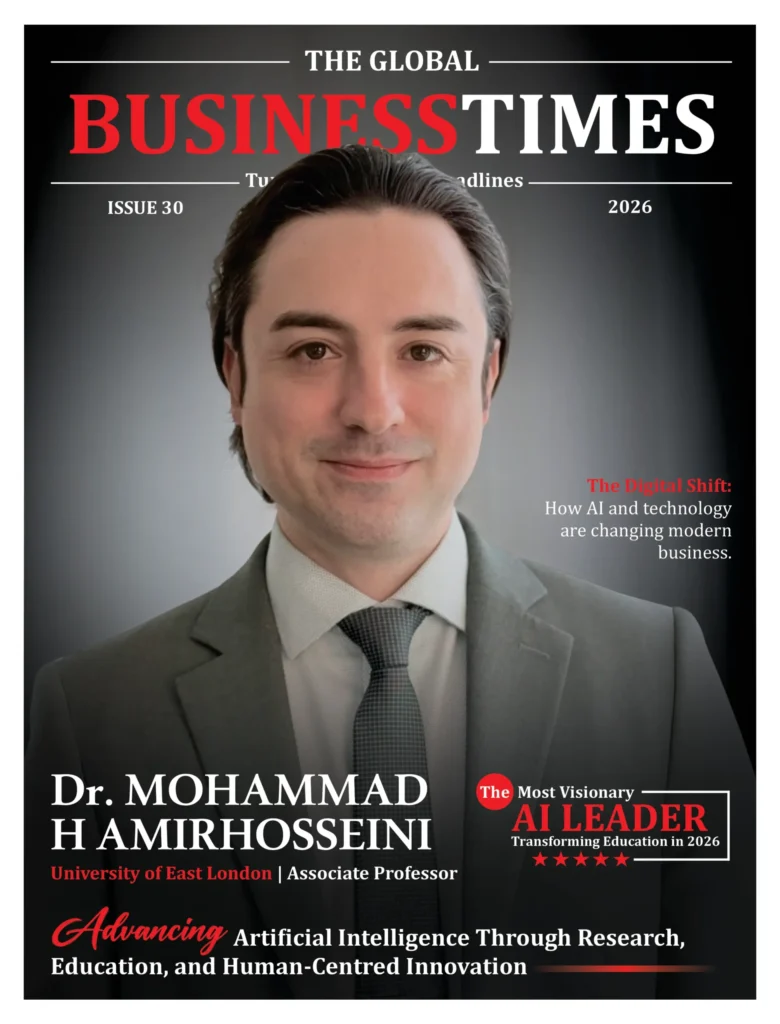
The Intelligence Behind Tomorrow: Dr. Mohammad Hossein Amirhosseini on AI, Innovation & the Future of Higher Education Advancing Artificial Intelligence Through Research, Education, and Human-Centred Innovation Artificial Intelligence is rapidly becoming one of the most influential forces shaping the modern world. From healthcare and cybersecurity to education, business, manufacturing, psychology, and everyday communication, intelligent technologies are changing how people work, learn, make decisions, and interact with information. Yet the future of Artificial Intelligence will not be defined solely by increasingly powerful algorithms. It will also depend on the researchers, educators, innovators, and leaders who determine how these technologies are developed, applied, and integrated into society. Among the academics contributing to this evolving landscape is Dr. Mohammad Hossein Amirhosseini, Associate Professor, AI Researcher, and Academic Leader. His professional journey reflects a sustained commitment to advancing Artificial Intelligence while exploring its relationship with human behaviour, cognition, education, cybersecurity, and real-world problem-solving. Through research, teaching, international collaboration, and industry engagement, he has developed a multidisciplinary perspective on how intelligent technologies can move beyond technical capability to create meaningful impact. His academic foundation began with a BSc in Software Engineering, followed by an MSc in Information Technology and a PhD in Computing in the United Kingdom. His interest in computing was driven not simply by technology itself, but by the possibility of using computational methods to understand and solve complex real-world problems. During his doctoral research, he became particularly interested in the intersection between Artificial Intelligence, human behaviour, and cognitive processes, applying Natural Language Processing and Machine Learning to explore how aspects of human communication and behavioural patterns could be modelled computationally. This interdisciplinary foundation became an important characteristic of his later work. Rather than approaching AI as an isolated technical discipline, Dr. Amirhosseini has consistently explored how computational intelligence can contribute to challenges across different areas of human and organisational life. A Journey From Computing to Artificial Intelligence Following his PhD, Dr. Amirhosseini expanded his research experience through his work as a Postdoctoral Research Fellow on SPIRIT, a €5 million EU Horizon 2020 project involving 17 partners across nine European countries. The project focused on privacy-preserving intelligence and identity-resolution technologies, providing him with experience in international research collaboration and the application of advanced computational methods to complex and sensitive datasets. His academic career continued at the University of East London, where he joined as a Lecturer in 2020. He progressed to Senior Lecturer in 2023 and was promoted to Associate Professor in 2024. Alongside research, teaching has remained an important part of his professional philosophy. For Dr. Amirhosseini, academic knowledge becomes particularly valuable when it can be translated into learning, practical understanding, and opportunities for the next generation of researchers and technology professionals. His career illustrates how academic progression can be closely connected to research, education, industry collaboration, and knowledge exchange. Each stage has contributed to a broader understanding of what Artificial Intelligence can achieve and, equally importantly, where its limitations and responsibilities lie. Where Artificial Intelligence Meets Human Behaviour Dr. Amirhosseini’s research interests span Artificial Intelligence, Machine Learning, Generative AI, Natural Language Processing, Cognitive and Behavioural Science, and Human-Computer Interaction. This breadth reflects his belief in the importance of interdisciplinary thinking when addressing complex technological and societal challenges. Artificial Intelligence can analyse enormous quantities of information, identify patterns, automate repetitive processes, personalise services, accelerate scientific discovery, and support decision-making. However, technology does not exist independently of the people who create, use, and experience it. Understanding cognition, communication, behaviour, and human interaction therefore becomes increasingly important as intelligent systems become more deeply integrated into everyday life. His research has demonstrated the application of AI across diverse domains, including healthcare, psychology, cybersecurity, animal behaviour, manufacturing, energy, and organisational performance. The range of these applications highlights the versatility of AI as an enabling technology. The same fundamental principles of Machine Learning, data analysis, intelligent systems, and computational modelling can be adapted to address very different challenges. Yet the starting point, in Dr. Amirhosseini’s approach, is the problem rather than the technology. An academically sophisticated AI model has limited value if it does not address a meaningful need. Successful innovation requires an understanding of the environment in which a system operates, the people it affects, and the outcome it is intended to improve. This perspective has enabled him to connect academic research with practical challenges while maintaining the methodological discipline expected within higher education and scientific research. Turning Research Into Real-World Innovation One of the strongest themes throughout Dr. Amirhosseini’s professional journey is the relationship between academic research and real-world application. His collaborations with companies and international partners have involved areas including personal development, cybersecurity, healthcare, behavioural science, energy, and AI-based products. An example of this approach was an Innovate UK Smart Grant project delivered in collaboration with a UK-based start-up. The project explored the application of AI to automate behavioural and personal development methodologies and resulted in the development of a commercial tool. The work demonstrated how academic knowledge can be translated into practical solutions when researchers and businesses work around genuine challenges. In another collaboration with a US-based start-up, Machine Learning was used to investigate canine personality and behaviour. This work subsequently led to further research exploring the prediction of training outcomes in working and assistance dogs. Although the application may appear highly specialised, it demonstrates how AI research can be adapted to unusual and highly specific real-world questions. Healthcare represents another important area of his collaborative work. In collaboration with Moorfields Eye Hospital, Dr. Amirhosseini contributed to the development of a multilingual, voice-enabled retrieval-augmented generation chatbot designed to transform patient education relating to retinal detachment. Such projects demonstrate the potential of AI to support communication and access to information in areas where clarity, accessibility, and personalisation can be particularly valuable. For Dr. Amirhosseini, these collaborations also reinforce the importance of bringing together different forms of expertise. Industry can provide domain knowledge, practical constraints, operational environments, and real-world challenges, while universities contribute research capability, methodological rigour, and the ability to investigate ideas beyond
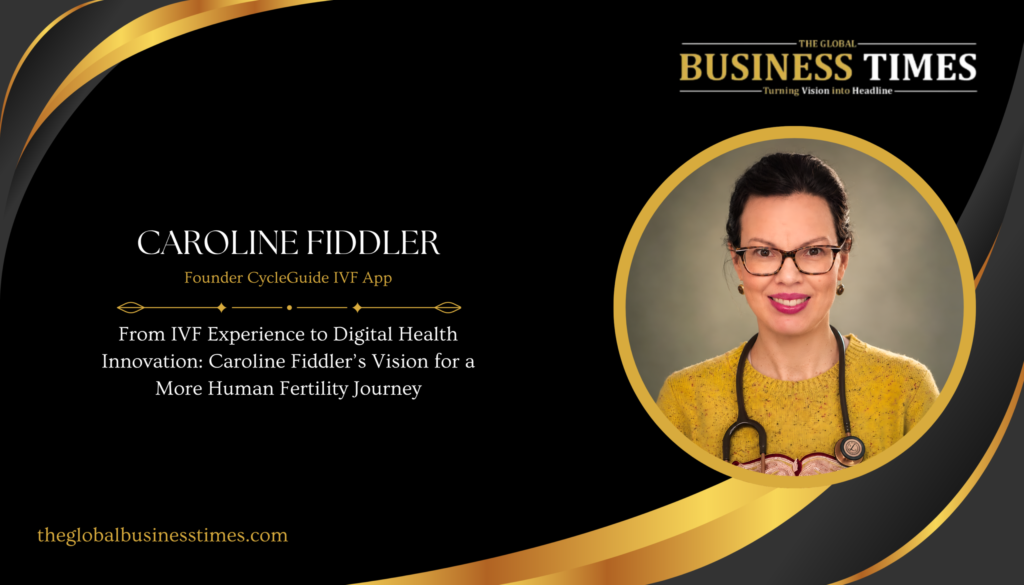
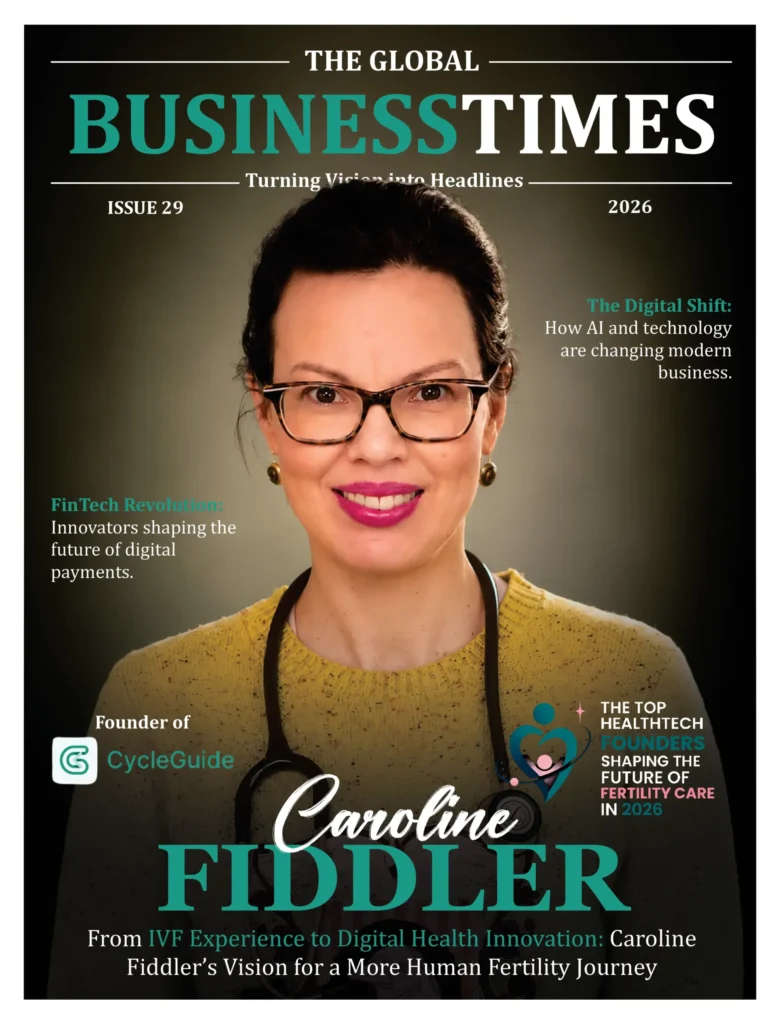
From IVF Experience to Digital Health Innovation: Caroline Fiddler’s Vision for a More Human Fertility Journey For many patients, an IVF journey is defined by hope, anticipation and the possibility of a long-awaited family. Yet behind those emotions is a highly structured and demanding medical process involving medications, blood tests, ultrasounds, appointments, procedures and instructions that can change with little notice. For Caroline Fiddler, the experience revealed something that her years in medicine had not fully prepared her to understand: the patient is often responsible for carrying an extraordinary amount of the treatment process outside the clinic. A medical doctor with experience across multiple healthcare environments, Fiddler understood clinical systems from the inside. But becoming an IVF patient gave her an entirely different perspective. It was this intersection of professional knowledge and personal experience that led her to create CycleGuide, a purpose-built digital tool designed to make fertility treatment more organised, understandable and manageable. Today, Fiddler represents a growing generation of healthcare innovators who are not simply asking how technology can make medicine faster, but how it can make healthcare more human. When the Doctor Became the Patient Fiddler’s path into medicine began with a natural fascination with science and a desire to engage directly with people. Medical school offered both intellectual challenge and meaningful patient interaction, and she found much of clinical medicine deeply rewarding. However, she also encountered the limitations of traditional healthcare environments. Hospital systems could be rigid, hierarchical and difficult to change. Even straightforward suggestions designed to improve workflow could struggle to gain traction. Her perspective changed profoundly when she experienced IVF herself. During her first IVF cycles, Fiddler found herself navigating the same complexity faced by countless patients. Treatment instructions were frequently delivered through paper documents and telephone calls. Medication schedules changed according to test results. Appointments and procedures had to be coordinated around work and everyday responsibilities. Important instructions could arrive during a busy moment when writing them down was difficult or impossible. The experience was particularly striking because she was a doctor. “If I am overwhelmed deciding if my menstrual flow is sufficiently heavy to designate it Day 1 and hence the start of my cycle,” she reflected, “then how must others feel without a healthcare background?” The question became the foundation of CycleGuide. Fiddler realised that fertility treatment was placing a substantial logistical and mental burden on patients, while the systems supporting them had not evolved at the same pace as the medicine itself. Identifying a Problem Hiding in Plain Sight IVF treatment often lasts two to three weeks, but its complexity can make those weeks feel considerably longer. Medication instructions may change. Blood tests and ultrasounds determine the next steps. Procedures must be carefully timed. Patients may need to administer injections correctly while simultaneously managing work, family and the emotional uncertainty of treatment. For Fiddler, traditional paper-based treatment instructions were simply not flexible enough. A printed table could provide an initial schedule, but it could not easily adapt when treatment changed. Days of the week might not be clearly represented. Additional instructions could not simply be inserted. And when a fertility nurse called with an update, the patient was often expected to record the new information themselves. The problem was not necessarily a lack of clinical expertise. It was a communication and coordination gap. Fiddler began imagining a simple digital solution that could supplement existing clinical processes without adding unnecessary complexity. Rather than creating another elaborate health platform, she wanted something that would focus on the practical reality of IVF: what does the patient need to do today, tomorrow and throughout the cycle? That philosophy became central to CycleGuide. Designing Around the Patient CycleGuide was conceived as a simple reminder and treatment-management application specifically designed for fertility treatment. Its central interface provides a monthly calendar, allowing patients to see an entire treatment cycle at a glance. Below the calendar, users can view the tasks required for the current day and mark them as completed. The system uses colour-coded categories for key components of treatment, including Day 1, medication, blood tests, ultrasounds, procedures and appointments. Individual tasks can be modified, including medication end dates, reflecting the reality that IVF instructions often change as treatment progresses. Notifications can help remind patients when tasks need to be completed, while a pre-cycle checklist helps users prepare before treatment begins. The purpose is not to replace the fertility team. It is to help patients better understand and manage the instructions they have already been given. Fiddler deliberately resisted the temptation to make CycleGuide increasingly complicated. During the early development process, she received advice from Jarrod MacFarlane, project manager at Appetiser Apps, that stayed with her: an app should not become complicated simply because more features are possible. Users generally want the basics to work exceptionally well. That principle became an important leadership lesson. For Fiddler, simplicity is not a lack of ambition. It is part of good healthcare design. Two Perspectives, One Purpose What distinguishes Fiddler’s approach is the way two professional identities coexist within her work. As a doctor, she understands clinical workflows, healthcare systems and the consequences of inefficient processes. As a patient, she understands what those inefficiencies feel like from the other side. Her medical career has exposed her to hospitals, pathology laboratories, radiology departments, rehabilitation programs, emergency medicine and radiation oncology, among other environments. Each setting showed her different systems, requirements and shortcomings. Her experience in radiation oncology was particularly influential. While working in Perth, Western Australia, she proposed that administrative staff proactively chase pathology and radiology results before new patient appointments. This would allow doctors to focus on understanding the patient and preparing an appropriate treatment plan instead of spending valuable clinical time locating external reports. The idea was implemented quickly and worked effectively. For Fiddler, it demonstrated that small improvements in workflow can have a significant impact on both staff and patients. Years later, her IVF experience brought that lesson into sharper focus. She began asking how patients were
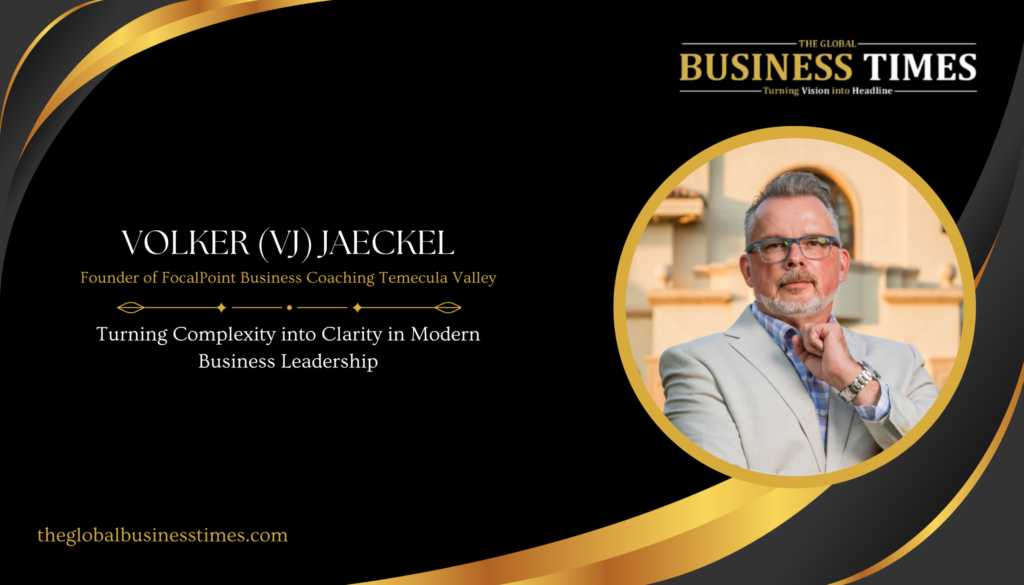
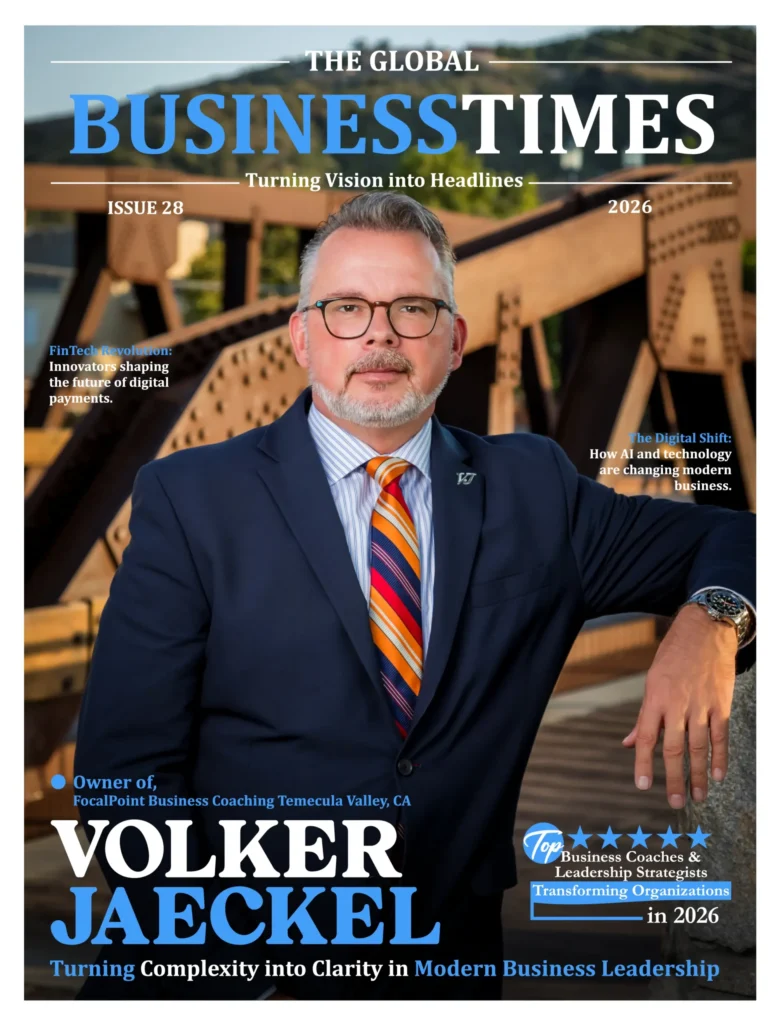
Volker (VJ) Jaeckel: Turning Complexity into Clarity in Modern Business Leadership Click here Wordpress Linkedin Instagram From Global Marketing Executive to Executive Coach Shaping High-Performance Leadership and Digital Transformation In a business world defined by constant disruption, rapid technological change, and increasing pressure on leaders to deliver measurable growth, few professionals have navigated as many layers of transformation as Volker (VJ) Jaeckel. His career spans more than four decades across Europe and the United States, moving through senior marketing leadership, international business strategy, and ultimately into executive coaching and behavioral intelligence. Today, as Founder of FocalPoint Business Coaching Temecula Valley and a fractional CMO, he works with entrepreneurs and executives who are often highly capable but structurally stuck. His work is centered on a simple but persistent challenge in modern leadership. Most organizations do not fail because of a lack of ideas or effort, but because of misalignment, communication breakdowns, and unclear execution systems. His perspective has been shaped by decades inside high-stakes decision environments, where strategy is not theoretical and outcomes are measured in revenue, performance, and organizational clarity. That experience now informs a coaching philosophy built on precision, accountability, and behavioral understanding. A GLOBAL CAREER BUILT ACROSS MARKETS AND CULTURES The foundation of Jaeckel’s leadership journey began in sales and marketing across Europe before expanding into the United States, Germany, and Italy. Over more than 40 years, he worked in environments where marketing strategy and executive decision-making directly influenced business outcomes at scale. He eventually reached senior executive responsibility at the chief marketing officer level, operating in spaces where alignment across departments determined whether organizations grew or stalled. These experiences exposed him to one recurring truth. Strategy alone does not drive success. Execution clarity does. Along the way, he earned professional certifications including Professional Certified Marketer through the American Marketing Association and Certified Digital Marketing Professional through the Digital Marketing Institute in Dublin. However, he describes his professional evolution less as a collection of credentials and more as a continuous study of how businesses actually function under pressure. What stood out most across industries and geographies was not difference, but similarity. Organizations struggled in predictable ways. Leaders communicated assumptions rather than clarity. Teams executed without shared understanding. Growth efforts created complexity instead of focus. These patterns would later become the foundation of his coaching methodology. THE MOMENT LEADERSHIP BECAME ABOUT PEOPLE, NOT JUST PERFORMANCE A defining shift in Jaeckel’s career came when he began to recognize a consistent gap among business owners and executives. Many were highly intelligent, deeply committed, and operationally busy, yet they were not achieving the outcomes they expected. The issue was rarely effort. It was alignment. This realization shifted his focus from marketing leadership alone toward leadership development and executive coaching. Instead of optimizing campaigns or organizational messaging, he began focusing on the thinking patterns behind leadership decisions. Over time, he found that his most meaningful impact came not from advising organizations on what to do, but from helping leaders understand why their current approach was not producing results. Coaching became the natural extension of his experience. It allowed him to combine communication expertise, behavioral analysis, and strategic thinking into a direct, results-oriented approach to leadership transformation. Writing also became an important part of this evolution. With more than 40 published articles across platforms such as SocialMediaToday.com, Digital Dealer Magazine, The Executive’s Diary, and MSN, he has consistently focused on making complex business concepts practical and actionable. His May 2026 cover feature in The Executive Lens reflected this same philosophy of translating leadership theory into usable insight. COMMUNICATION BREAKDOWN IS THE REAL BUSINESS PROBLEM One of the strongest themes in Jaeckel’s perspective is that communication, not strategy, is the most common failure point in organizations. Having worked across multiple countries and business environments, he observed that a plan that appears clear in one cultural or operational context can be interpreted very differently in another. These misalignments are rarely visible at the strategy level but become evident during execution. At the executive level, he learned that revenue is not generated by isolated effort. It is the result of clarity, alignment, and shared understanding across teams. This insight became central to his coaching philosophy. Instead of focusing first on tactics or tools, he emphasizes clarity of communication as the foundation of performance. Without it, even strong strategies fail to translate into results. He often frames leadership not as authority, but as the ability to create shared understanding that enables coordinated action. THE POWER OF BEHAVIORAL INTELLIGENCE IN LEADERSHIP A major influence in his coaching methodology is behavioral science, particularly DISC Behavioral Analysis. Rather than treating behavior as abstract personality traits, DISC provides a structured way to understand how individuals communicate, make decisions, and respond under pressure. For Jaeckel, DISC is not a personality label but a diagnostic tool. It helps identify where communication breaks down within teams and why certain interactions consistently create friction. A common pattern he identifies is the mismatch between leadership style and team interpretation. A fast, direct leader may believe they are being efficient, while a more detail-oriented team member may experience the same communication as overwhelming or unclear. Once these patterns are visible, leaders can adjust their communication approach. This leads to improvements in hiring decisions, delegation effectiveness, and conflict resolution. In his view, behavioral intelligence is one of the most underutilized tools in modern leadership because it shifts conversations from blame to understanding. FROM MARKETING EXECUTION TO STRATEGIC TRANSFORMATION Throughout his career, Jaeckel held senior roles that required balancing creativity, analytics, and organizational leadership. As a chief marketing officer, he learned that successful execution depends on alignment rather than intensity. Teams do not fail because they lack talent. They fail because they are not aligned on priorities. This insight shaped his approach to organizational transformation. Instead of introducing more complexity, he focuses on removing friction. The goal is to simplify decision-making structures so teams can operate with clarity and consistency. Over time, this approach has helped generate measurable improvements
Volker (VJ) Jaeckel: Turning Complexity into Clarity in Modern Business Leadership Read More »
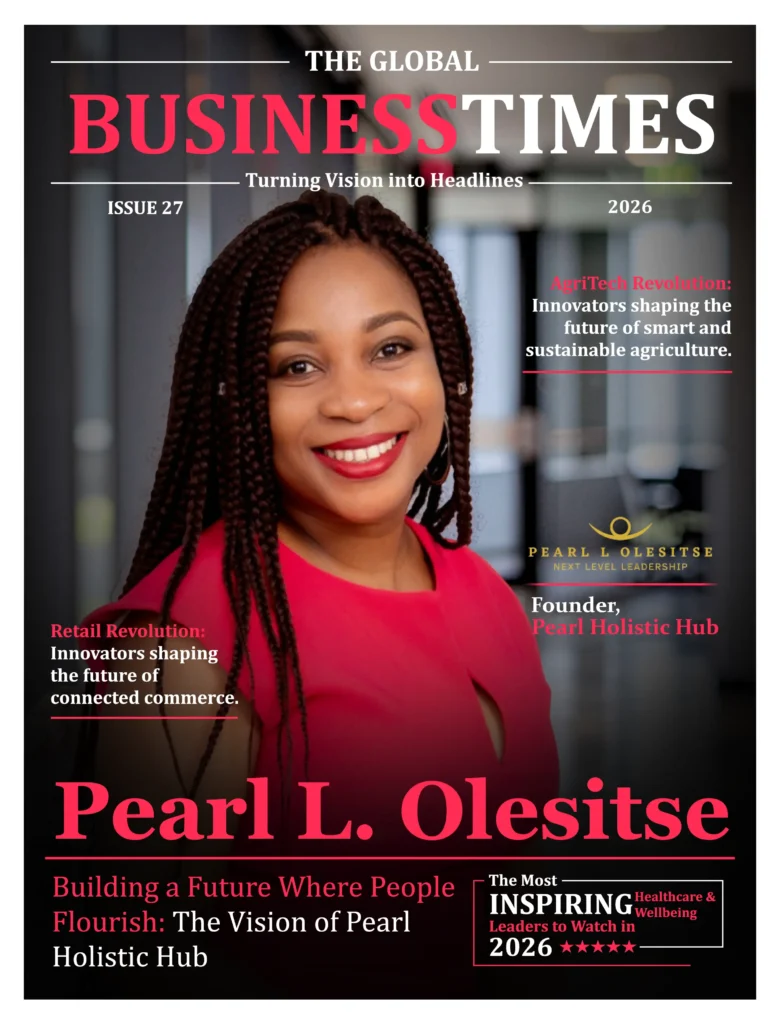
Building a Future Where People Flourish: The Vision of Pearl Holistic Hub The Birth of Pearl Holistic Hub Every meaningful enterprise begins with a purpose greater than business success. For Pearl Letlotlo Olesitse, that purpose has always been centred on people. The creation of Pearl Holistic Hub was not simply the launch of a professional venture but the culmination of decades of learning, lived experience, scientific expertise, and an unwavering commitment to improving human wellbeing. It represents the natural evolution of a career that has consistently bridged healthcare, behavioural science, leadership, and personal transformation. Throughout her professional journey, Pearl recognised a recurring challenge that existed across every sector she encountered. Healthcare professionals were dedicating themselves to caring for others while often neglecting their own wellbeing. Corporate leaders were pursuing exceptional performance while struggling with stress, burnout, and declining mental health. Organisations invested heavily in productivity, yet many overlooked the fundamental truth that sustainable success depends upon healthy, engaged, and resilient people. These observations inspired Pearl to create an organisation dedicated to changing the conversation around health and leadership. Drawing upon her extensive background in nursing, clinical research, Positive Psychology, Lifestyle Medicine, behavioural science, executive coaching, and Positive Organisational Scholarship, she established Pearl Holistic Hub as a platform that empowers individuals and organisations to thrive rather than merely survive. Unlike traditional wellbeing initiatives that focus primarily on treating illness or responding to crises, Pearl Holistic Hub embraces a preventative and holistic philosophy. The organisation believes that health extends far beyond physical wellbeing. It encompasses emotional resilience, psychological safety, meaningful relationships, purpose, continuous learning, and the ability to adapt positively to life’s inevitable challenges. Today, Pearl Holistic Hub delivers executive coaching, leadership development programmes, keynote presentations, organisational wellbeing strategies, and evidence-based interventions that help professionals perform at their highest level without sacrificing their health. Whether supporting healthcare executives, corporate organisations, or emerging leaders, every programme is designed around one guiding principle: sustainable excellence begins with human flourishing. Pearl’s vision is both simple and transformational. Healthier individuals build stronger teams. Stronger teams create healthier organisations. Healthy organisations contribute to resilient communities and, ultimately, a healthier society. This philosophy has become the foundation upon which every initiative, partnership, and programme is built. Championing Positive Health and Human Flourishing One of Pearl’s most influential contributions to contemporary healthcare is her passionate advocacy for Positive Health. While modern medicine has made extraordinary advances in diagnosing and treating disease, Pearl believes that healthcare’s next evolution lies in helping people build and sustain wellbeing before illness develops. Positive Health challenges the traditional perception that health is merely the absence of disease. Instead, it embraces a broader and more empowering understanding of wellbeing, recognising that people thrive when physical, emotional, psychological, social, and spiritual dimensions of health are nurtured together. Through years of clinical practice, research, and coaching, Pearl has witnessed how individuals facing similar medical conditions often experience dramatically different outcomes. The difference frequently lies not only in medical treatment but also in mindset, resilience, relationships, purpose, and the capacity to adapt. These observations strengthened her belief that healthcare should focus not only on curing illness but also on cultivating health. Positive Health encourages individuals to become active participants in their own wellbeing. Rather than asking only how disease can be managed, it asks a more powerful question: how can health be created every single day? For Pearl, this shift represents one of the most important transformations occurring within global healthcare. Preventative care, lifestyle medicine, emotional wellbeing, meaningful social connections, and purpose-driven living are becoming increasingly recognised as essential components of long-term health. Her work helps individuals understand that flourishing is not reserved for those who have never experienced hardship. Instead, flourishing emerges when people learn to transform adversity into wisdom, resilience, and renewed purpose. This philosophy is deeply rooted in both scientific evidence and Pearl’s own lived experiences, making her message authentic, relatable, and profoundly inspiring. Across keynote presentations, leadership programmes, and executive coaching engagements, Pearl consistently encourages people to move beyond survival. She inspires audiences to embrace growth, cultivate optimism, strengthen resilience, and develop habits that promote sustainable wellbeing in every area of life. Next Level Leadership: Putting People at the Centre Leadership continues to evolve in response to a rapidly changing world. Traditional leadership models often emphasised authority, hierarchy, and results above all else. Pearl believes the future demands something fundamentally different. Her Next Level Leadership philosophy is built upon empathy, authenticity, emotional intelligence, and genuine human connection. It recognises that organisations achieve their greatest success when leaders prioritise the wellbeing of the people they serve. Having worked extensively across healthcare, research, education, and executive coaching, Pearl understands that exceptional performance cannot be sustained in environments characterised by chronic stress, fear, or burnout. Instead, high-performing organisations are those where trust, psychological safety, collaboration, and continuous learning become part of everyday culture. Leaders influence far more than business outcomes. They shape workplace culture, employee engagement, innovation, resilience, and organisational health. Every conversation, decision, and interaction has the potential to strengthen or weaken the wellbeing of those around them. Pearl encourages leaders to recognise that genuine influence begins with self-awareness. Leaders who understand their own emotions, values, and behaviours are better equipped to support others, navigate uncertainty, and inspire lasting change. Her coaching programmes help executives develop practical skills that strengthen communication, emotional resilience, adaptability, and compassionate leadership. Rather than encouraging leaders to simply demand higher levels of performance, she helps them create environments where individuals feel respected, valued, and empowered to contribute their best work. This people-first philosophy has become increasingly relevant as organisations confront rising levels of workplace burnout, employee disengagement, and rapid technological change. Pearl demonstrates that organisations do not need to choose between wellbeing and performance. When wellbeing becomes embedded within leadership, sustainable performance naturally follows. Through this approach, Next Level Leadership is redefining organisational success by placing human flourishing at the very centre of business excellence. A Voice Shaping the Future of Healthcare Healthcare continues to undergo unprecedented transformation. Advances in
Building a Future Where People Flourish: The Vision of Pearl Holistic Hub Read More »
Leading with Resilience: How Vanessa Haripersad is Redefining Human-Centered Leadership for a Changing World Transforming Leadership from the Inside Out In an era where disruption has become the norm rather than the exception, leadership is no longer defined solely by strategy, technical expertise, or commercial success. Today’s leaders are expected to inspire confidence amid uncertainty, cultivate resilient teams, navigate constant change, and foster workplaces where people can perform at their best without compromising their wellbeing. As organizations across the globe grapple with burnout, workforce transformation, digital disruption, and evolving employee expectations, a new kind of leadership is emerging one grounded not in authority alone, but in self-awareness, emotional intelligence, and human connection. Few leaders embody this evolution more profoundly than Vanessa Haripersad, Founder and CEO of Shankara People Solutions. With more than 24 years of experience in human capital, executive leadership, talent strategy, and transformational coaching, Vanessa has become one of South Africa’s most respected voices on resilient leadership and workplace transformation. An accomplished executive coach, international keynote speaker, leadership strategist, and creator of the globally recognized SCCR Resilient Leadership Framework, she has dedicated her career to helping leaders navigate complexity while remaining deeply connected to themselves and the people they serve. Her work represents far more than leadership development. It is a movement toward creating organizations where performance and wellbeing coexist, where resilience is cultivated before crisis strikes, and where authentic leadership becomes the foundation for sustainable success. Behind every framework she teaches and every stage she stands upon lies decades of experience, thousands of conversations, and a deeply personal understanding of what it truly means to lead through adversity. A Career Built on Understanding People Long before becoming an internationally recognized leadership coach, Vanessa built an extraordinary career in human resources and recruitment. Over the course of more than two decades, she interviewed upwards of 20,000 professionals, ranging from graduates beginning their careers to senior executives responsible for leading major organizations. While every interview revealed a different story, Vanessa began noticing a striking pattern. The people who consistently succeeded were not necessarily those with the strongest technical qualifications or the most impressive résumés. Intelligence and expertise certainly mattered, but they were rarely the defining factors that separated exceptional leaders from those who struggled under pressure. Instead, the qualities that consistently predicted long-term success were far more human: self-awareness, adaptability, emotional resilience, and the ability to remain calm when circumstances became uncertain. Again and again, Vanessa encountered highly capable professionals who possessed remarkable technical knowledge yet quietly battled anxiety, self-doubt, burnout, and overwhelming pressure. Many appeared successful on the outside while internally questioning their abilities and struggling to sustain their performance. These experiences fundamentally changed the way she viewed leadership. Traditional HR practices were highly effective at assessing competencies, filling positions, and measuring performance. Yet they often lacked the tools to address the emotional and psychological dimensions that shaped how individuals actually experienced leadership. Vanessa realized that organizations were investing heavily in developing skills while overlooking the inner capabilities that determined whether those skills could be applied effectively during times of uncertainty. That realization became the catalyst for an entirely new chapter in her professional journey. Rather than focusing solely on organizational systems, she chose to work directly with the human beings behind the job titles, helping leaders strengthen the mindset, emotional resilience, and self-awareness required to thrive in an increasingly complex world. Building Shankara People Solutions This vision ultimately led to the creation of Shankara People Solutions, an organization dedicated to transforming leadership by placing people at the centre of organizational success. Founded on the belief that exceptional businesses are built by emotionally healthy, resilient, and self-aware leaders, Shankara People Solutions goes far beyond traditional executive coaching or leadership consulting. It serves as a strategic partner for organizations seeking sustainable cultural transformation through evidence-based leadership development, coaching, mentorship, and resilience-building initiatives. Under Vanessa’s leadership, the organization has become recognized for helping executives and teams navigate change with confidence while strengthening collaboration, trust, emotional intelligence, and workplace wellbeing. Her philosophy challenges one of the longest-standing assumptions in business—that high performance requires personal sacrifice. For decades, many organizations celebrated relentless work, constant availability, and the ability to push through exhaustion as signs of strong leadership. While these behaviours often produced short-term results, they also contributed to rising levels of burnout, disengagement, anxiety, and declining employee wellbeing. Vanessa believes organizations no longer need to choose between performance and people. Instead, she demonstrates that the healthiest workplaces consistently produce the strongest long-term results because people perform best when they feel psychologically safe, respected, and supported. This belief has become the cornerstone of Shankara People Solutions’ work across leadership development, executive coaching, and organizational transformation. Leadership in an Age of Uncertainty Modern leaders operate in an environment unlike anything previous generations experienced. Global markets shift overnight. Artificial intelligence is reshaping industries at unprecedented speed. Economic uncertainty, geopolitical instability, hybrid work models, and rapidly changing workforce expectations require leaders to make complex decisions with incomplete information. Many organizations describe this reality using the acronym VUCA—Volatility, Uncertainty, Complexity, and Ambiguity. While countless leadership models attempt to help executives navigate this landscape, Vanessa believes one fundamental misconception continues to undermine effective leadership. For years, leaders were taught that their role was to always have the answers. Today’s world no longer rewards certainty. Instead, it demands steadiness. According to Vanessa, people rarely expect leaders to predict every challenge. What they seek is confidence, clarity, emotional stability, and the reassurance that someone can guide them through uncertainty without transmitting fear throughout the organization. A leader’s emotional state influences every interaction within a team. When leaders become overwhelmed by stress, that tension often spreads throughout the workplace. Anxiety becomes contagious. Decision-making deteriorates. Innovation slows. Trust begins to erode. Conversely, leaders who remain grounded during difficult circumstances create environments where teams feel secure enough to collaborate, solve problems creatively, and adapt with confidence. This understanding has become central to Vanessa’s philosophy. Leadership is not simply about communication; it is