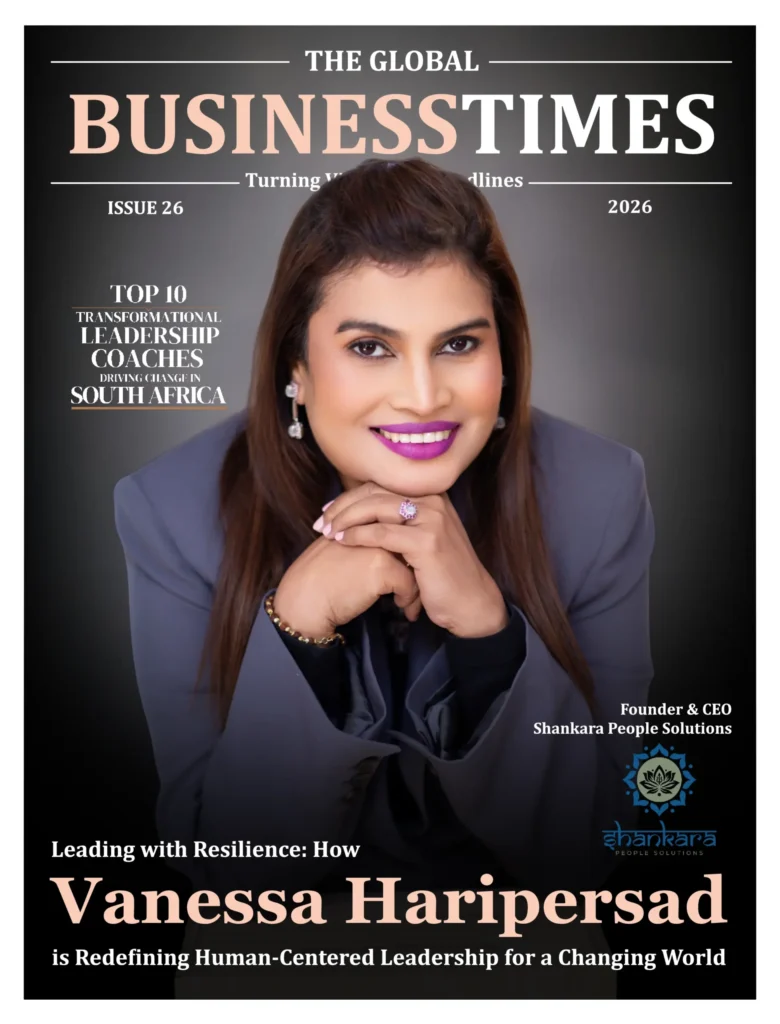
Top 10 Transformational Leadership Coaches Driving Change in South Africa
Top 10 Transformational Leadership Coaches Driving Change in South Africa Read More »



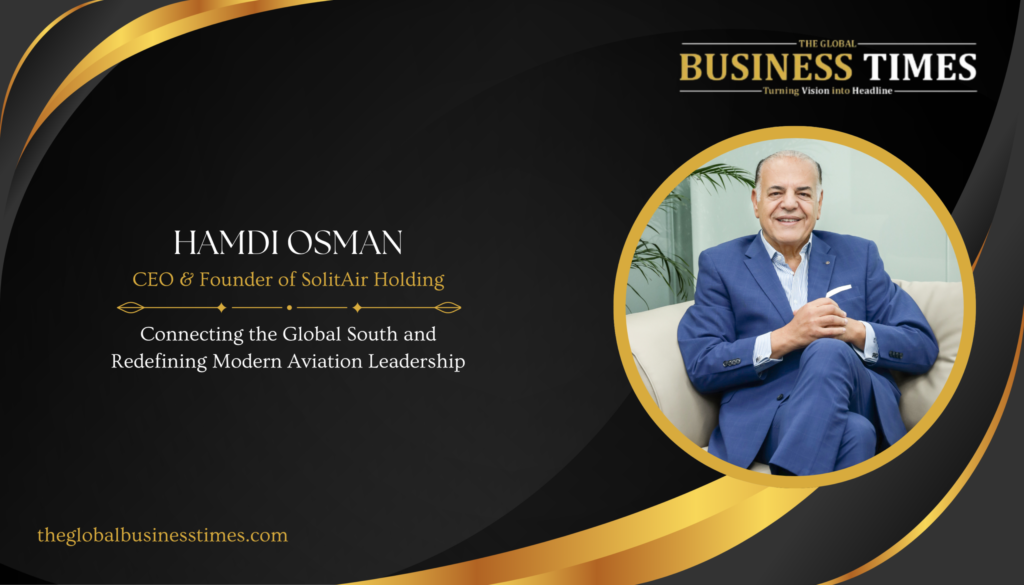
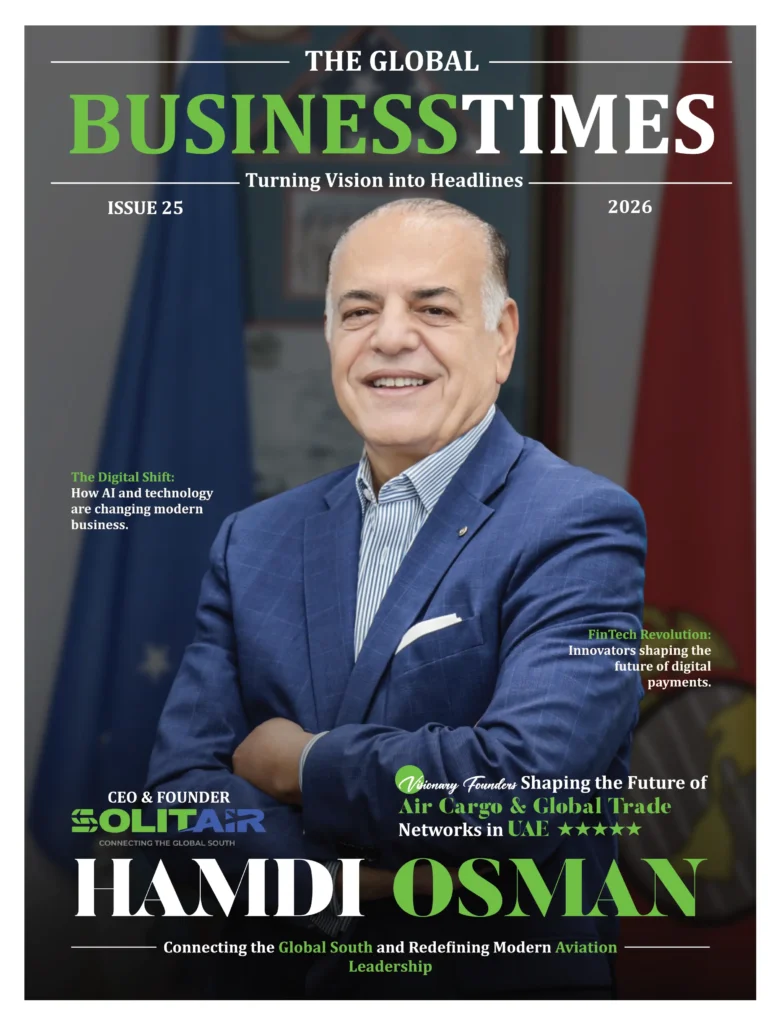
Hamdi Osman: Connecting the Global South and Redefining Modern Aviation Leadership From the Football Pitch to the Skies: A Journey Built on Humility Hamdi Osman’s career spans more than three decades of high-stakes operational leadership, global market expansion, and structural innovation across the transportation and aviation sectors. Today, as the visionary force behind SolitAir, his work centers on a persistent challenge in modern global logistics: bridging the critical infrastructure and connectivity gaps that isolate emerging markets. His perspective has been shaped inside demanding decision environments where strategy translates directly into cross-border trade, fleet efficiency, and macroeconomic growth. Yet, Osman’s journey did not begin in an executive boardroom or an aviation hub. He began his professional life in physical education and as a professional football player. The sports arena instilled in him early lessons of discipline, teamwork, and resilience under pressure. When he transitioned into the corporate world, he entered at the literal bottom of the ladder at FedEx working as a truck washer. This humble beginning grounded his approach to business, instilling a deep, lifelong respect for every layer of the operational chain. Over the course of 34 years, he grew through the FedEx organization step by step, mastering the intricate mechanics of global supply chains before ascending to senior executive leadership. A defining milestone of his development was graduating from the FedEx Leadership Institute and working directly under the legendary Fred Smith the founder of FedEx and the pioneer of the hub-and-spoke system. This rare blend of ground-level experience, world-class corporate mentorship, and a front-row seat to the evolution of modern logistics inspired a lifelong passion for connecting people, businesses, and global markets. The FedEx Era: Shifting Frontiers and the Power of People Spending 34 years with FedEx was a transformative journey that fundamentally shaped Osman’s leadership philosophy. As a senior leader driving the company’s aggressive expansion across Europe, the Middle East, the Indian Subcontinent, and Africa (EMEIA), he spearheaded milestones that went far beyond traditional corporate growth. He was instrumental in building new markets, opening critical trade routes, and demonstrating how robust logistics connectivity can directly revitalize and transform local economies. However, the most lasting influence on his career was the opportunity to observe and learn from Fred Smith. Smith’s foundational business philosophy PSP (People, Service, Profit) became the cornerstone of Osman’s own management style. Rather than treating it as a corporate slogan, Osman studied how Smith lived this philosophy daily, paying close attention to how he navigated complex business challenges and framed long-term visions. From this exposure, Osman cemented a core leadership truth: if an organization genuinely takes care of its people, those people will naturally deliver exceptional service, and profit will follow as an organic byproduct. The experience taught him that true leadership is never about wielding authority; it is about embracing responsibility. Every strategic framework he deploys today remains deeply influenced by these decades of high-level execution and foundational trust. The Genesis of SolitAir: Filling the Middle-Mile Gap After more than three decades executing at the highest levels of global logistics, Osman recognized a fundamental, unaddressed vulnerability in how the world moves goods. While the industry had successfully optimized first-mile manufacturing pipelines and last-mile delivery networks, the middle mile remained structurally flawed and frequently overlooked particularly across the Global South. To solve this specific friction point, Osman established SolitAir. The strategic intent behind the airline was not to compete with existing commercial carriers, integrators, or e-commerce giants, but to actively complement them and strengthen the broader logistics ecosystem. By utilizing a nimble fleet of narrow-body aircraft, SolitAir built the operational flexibility required to serve underserved routes and connect cities that had long been excluded from traditional, rigid aviation networks. At its core, SolitAir is a mission of connection. The airline positions itself as a vital conduit designed to link the Global South with itself, while seamlessly tying these emerging regions back to the established markets of the Global North. By improving this middle-mile connectivity, SolitAir aims to unlock dormant trade lanes, accelerate economic opportunity, and bring fragmented markets closer together. Structural Shifts: The Five Trends Shaping Global Air Cargo As the logistics and aviation landscapes evolve under the pressure of shifting global dynamics, Osman identifies five major structural trends that will define the next decade of air cargo: Cross-Border E-Commerce Expansion: E-commerce will remain the primary growth engine of the industry, placing unprecedented demands on logistics networks for velocity, flight frequency, and the handling of smaller, high-value shipment sizes. Trade Route Diversification: Manufacturing centers are rapidly decentralizing away from traditional hubs and shifting toward South Asia, Southeast Asia, and Africa, creating entirely new cargo corridors that bypass historical East-West trade lanes. Geopolitical Realignment: Geopolitics has transitioned into a structural driver of logistics flows. Shifting tariffs, regional conflicts, and sudden airspace restrictions now require networks to adapt and reroute in real time. Digitalization and Data Integration: The widespread adoption of advanced data systems is fundamentally transforming end-to-end visibility, operational efficiency, and the overall customer experience. Sustainability Imperatives: Escalating environmental and regulatory pressures are forcing a comprehensive re-evaluation of fleet composition, alternative fuel adoption, and daily operational footprint. Together, these forces are elevating air cargo from a transactional service into a highly strategic, agile, and integrated component of global corporate survival. Navigating Emerging Corridors: The SolitAir Strategy SolitAir has strategically anchored its operations at the intersection of the world’s fastest-growing, capacity-constrained trade lanes: Africa, the Middle East, South Asia, and the CIS regions. To identify and capture these emerging opportunities before they become oversaturated, Osman’s team continuously analyzes three core market indicators: Macroeconomic data trends and shifting economic growth patterns. E-commerce penetration rates paired with acute local logistics gaps. Structural connectivity inefficiencies within existing competitor networks. The Middle East serves as the natural geographical crossroads for this strategy, linking the high-consumption and production hubs of Asia, Africa, and Europe. By establishing efficient point-to-point and hub-and-spoke models through this nexus, SolitAir builds reliable, high-frequency connectivity where it is structurally required by modern trade, rather than where it
Hamdi Osman: Connecting the Global South and Redefining Modern Aviation Leadership Read More »
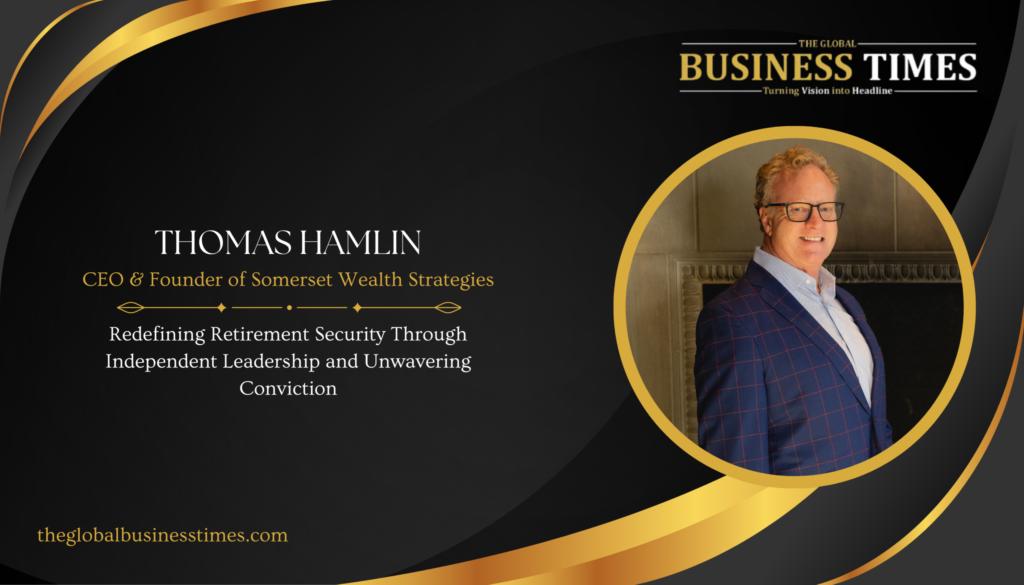
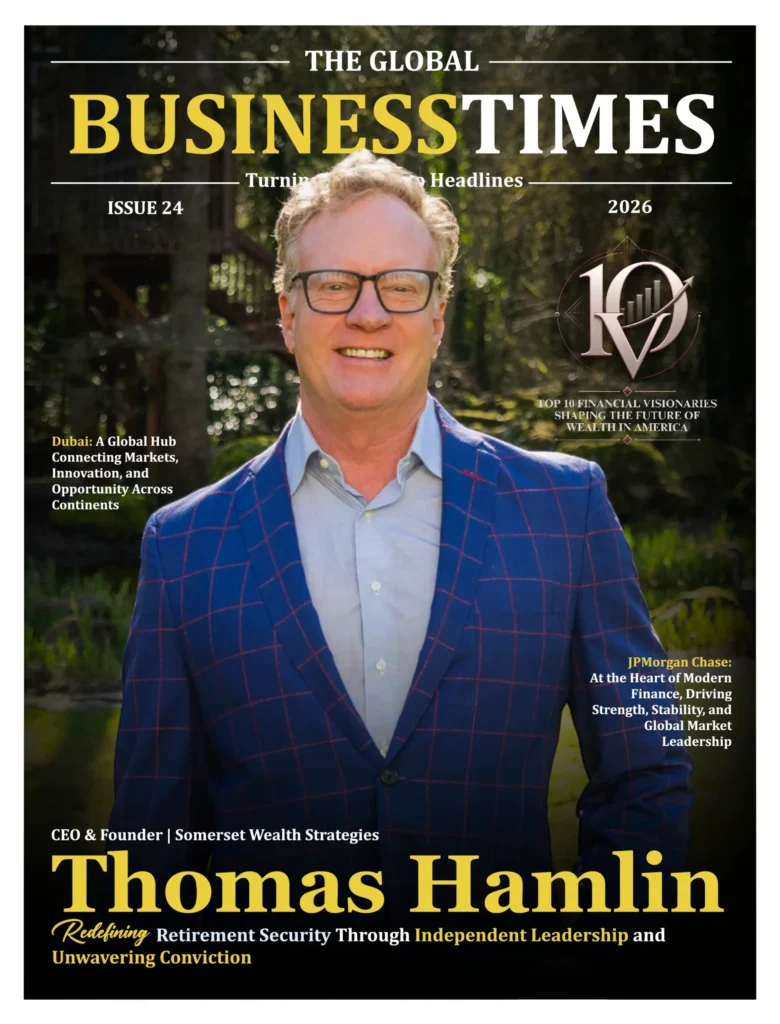
Thomas B. Hamlin: Redefining Retirement Security Through Independent Leadership and Unwavering Conviction The Evolution of Independent Leadership The financial services industry has undergone an extraordinary transformation over the past three decades. Economic recessions, technological revolutions, shifting regulatory landscapes, and changing investor expectations have continually redefined how advisors serve clients. Amid these changes, only a handful of leaders have demonstrated the ability to evolve without compromising the principles that built their success. Thomas B. Hamlin stands among those rare professionals whose career has been defined not merely by longevity, but by an unwavering commitment to independence, innovation, and putting clients first. As the Founder and Chief Executive Officer of Somerset Wealth Strategies, LLC, Somerset Wealth Management, LLC, and Bay Colony Securities, LLC, Hamlin has spent nearly four decades helping individuals and families navigate one of life’s significant financial challenges: preparing for retirement with confidence. Throughout that journey, he has witnessed dramatic market swings, regulatory shifts, technological disruptions, and evolving client expectations. Yet his philosophy has remained remarkably consistent. Financial planning, in his view, is not about chasing the latest investment trend or reacting emotionally to market volatility. It is about building thoughtful strategies that prioritize long-term security, disciplined decision-making, and lasting client relationships. His leadership extends far beyond managing assets. Hamlin has cultivated organizations that combine traditional financial wisdom with forward-looking innovation, embracing advanced technology and artificial intelligence while preserving the personal trust that remains the foundation of wealth management. This balance between innovation and stability has allowed Somerset Wealth Strategies to continuously evolve without losing sight of its core mission: helping clients achieve financial independence and retirement security. Today, Hamlin’s influence reaches well beyond his own organizations. Through educational initiatives, media appearances, industry publications, and the widely recognized AnnuityFYI platform, he continues to advocate for greater financial literacy and more informed retirement planning. His work reflects a broader vision of leadership one that combines entrepreneurial determination with an enduring sense of responsibility toward the people and communities he serves. An Entrepreneurial Journey Forged Through Experience Thomas Hamlin’s path into entrepreneurship was anything but conventional. Unlike many business founders who begin with extensive resources or established networks, his journey was shaped by persistence, resilience, and an unwavering belief that success should be earned through integrity and performance. His career in financial services began in 1990 at Independent Advantage Financial in Los Angeles, where he specialized in marketing annuities through newsletters long before digital marketing transformed the financial industry. Operating nationally without relying on face-to-face meetings was considered unconventional at the time, yet the model proved remarkably effective. Within little more than a year, despite having no prior industry experience, Hamlin became the firm’s leading producer among more than thirty-five agents. While professional success came quickly, he soon recognized a limitation that many ambitious professionals eventually encounter. Despite consistently delivering exceptional results, opportunities for ownership and long-term equity remained out of reach. Rather than accepting those constraints, Hamlin began envisioning a different future one built on independence, accountability, and the freedom to shape his own destiny. That vision became even clearer after a difficult transition to a major brokerage firm in the mid-1990s. Teaming up with his mentor and fellow top producer Jeff Oster, they joined Prudential Securities, a move Hamlin describes as a “horrible decision”. Underestimating their former employer’s tenacity, they spent their first year fighting for the right to work with their clients. It ended in a compromise where Prudential paid off the former employer, but the experience taught Hamlin a lifelong lesson: clients should always retain the freedom to choose the advisor they trust, and independent professionals should never sign agreements that compromise that freedom. Rather than allowing adversity to discourage him, Hamlin transformed those lessons into motivation. In May 1997, after extensive planning, he established his own independent practice, laying the foundation for what would become Somerset Wealth Strategies. Named after the county in England from which his father originated, the firm’s identity reflected both personal heritage and a commitment to building something designed to endure across generations. Building an Independent Financial Institution Launching an independent financial services firm represented both an exciting opportunity and an enormous responsibility. Entrepreneurship in financial services requires much more than technical expertise. It demands leadership, regulatory awareness, operational discipline, and an extraordinary willingness to assume personal risk. Hamlin notes that entrepreneurs rarely appreciate the full complexity of business ownership until they experience it firsthand. Beyond serving clients, founders must oversee operations, compliance, staffing, marketing, technology, and countless responsibilities that remain invisible to outsiders. Every decision carries consequences not only for the business itself but also for employees, their families, and the clients who depend on the firm’s stability. Reflecting on the heavy regulatory burdens and scrutiny he faced, Hamlin candidly notes: “If I’d known what I was in for, I wouldn’t have started my own companies, as it’s more painful than you can imagine. I think this is the case for most entrepreneurs and business owners, hence I feel we don’t get the credit we deserve.” Over the years, Somerset Wealth Strategies expanded carefully rather than rapidly, prioritizing sustainable growth over aggressive expansion. Hamlin’s objective was never to build the largest organization in the industry. Instead, he focused on building one capable of delivering consistently exceptional service while maintaining the flexibility that independent ownership provides. This disciplined approach ultimately led to additional milestones, including the formation of Somerset Wealth Management a fee-based, fiduciary wealth management firm and the acquisition of the 50-year-old Boston-based broker-dealer Bay Colony Securities in 2012–2013. Together, these businesses created an integrated platform capable of addressing the sophisticated needs of retirees and investors. The Evolution of Retirement Income Planning As financial markets become increasingly complex, retirement planning has evolved far beyond selecting investments or building diversified portfolios. Longer life expectancies, changing interest rate environments, inflationary pressures, and evolving regulatory requirements have reshaped the questions retirees must answer. For Hamlin, these changes have reinforced a core belief: retirement planning should begin with income security rather than speculation. While market
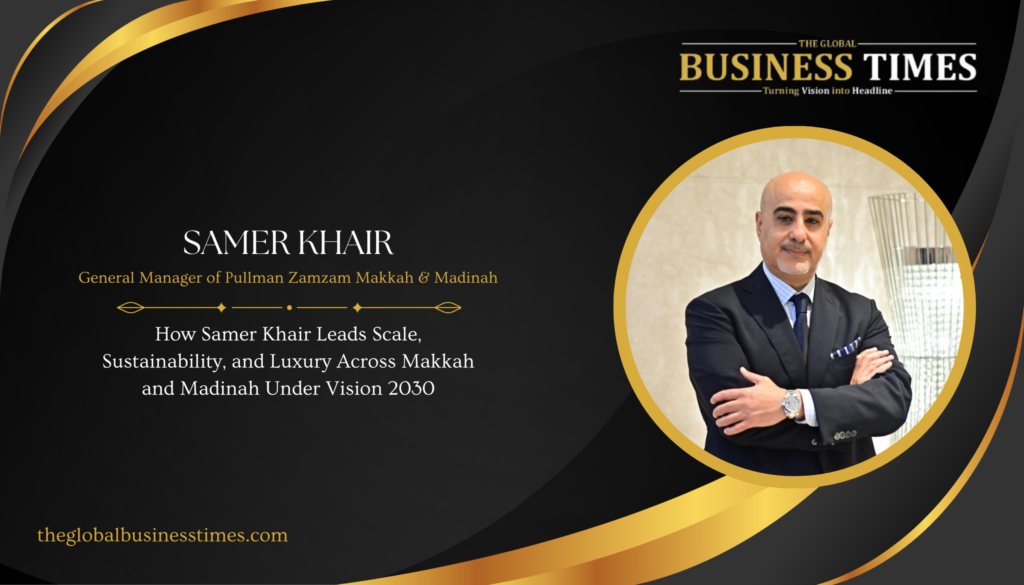
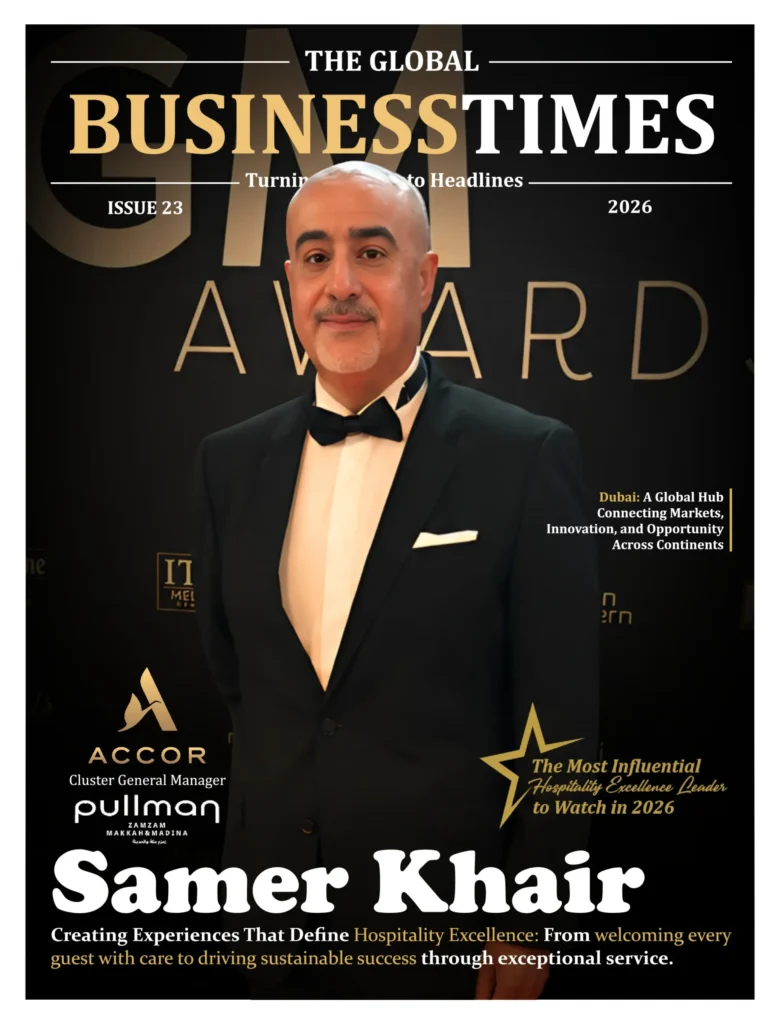
How Samer Khair Leads Scale, Sustainability, and Luxury Across Makkah and Madinah Under Vision 2030 An Architectural Legacy of Faith & Luxury Operating at the intersection of profound spiritual tradition and world-class luxury hospitality requires a masterclass in operational precision, cultural empathy, and strategic foresight. In the global landscape of luxury hotel management, few assignments demand as delicate a balance between massive operational scale and deep spiritual sensitivity as leading the flagship Accor properties in Makkah and Madinah. Serving millions of pilgrims annually from every corner of the globe, Zamzam Pullman Makkah and Zamzam Pullman Madina are far more than luxury accommodations; they are integral sanctuaries supporting guests during the most pivotal spiritual journeys of their lives. At the helm of this multi-property operational ecosystem stands Samer Khair, an executive whose career reflects thirty years of unwavering commitment to hospitality mastery, strategic agility, and human-centered leadership. Recognized as one of the most influential leaders shaping Saudi Arabia’s evolving tourism landscape in 2026, Khair’s executive philosophy is grounded in a deep-rooted belief that true luxury hospitality goes far beyond lavish architecture and refined amenities. Instead, it resides in the seamless creation of comfort, peace of mind, and an environment where every guest feels instantly welcome. In an era where Saudi Arabia’s Vision 2030 is reshaping the Kingdom into a premier global tourism hub, Khair’s strategic vision ensures that the spiritual integrity of religious tourism is matched by international standards of service excellence, operational efficiency, and environmental stewardship. The Evolution of a Career Built on Passion and Cross-Border Heritage Samer Khair’s path to becoming one of Saudi Arabia’s most respected hospitality leaders is rooted in a lifelong passion for people, culture, and service management. His career began in Food & Beverage and front-line guest relations, where he gained firsthand insight into the core mechanics of hotel operations. Starting his journey on the operational floor established a strong foundational understanding that great leadership begins with understanding every granular touchpoint in the guest journey. Over the years, he has had the privilege of refining his expertise with prestigious international hotel brands, navigating complex operational environments across Switzerland, Jordan, Oman, and Saudi Arabia. Working across diverse geographic markets and regulatory frameworks refined Khair’s capacity to lead complex, multicultural teams. Operating in Switzerland provided him with a rigorous foundation in operational precision, financial discipline, and luxury standards, while his extensive leadership roles across the Middle East developed his profound appreciation for regional heritage and authentic Arabian hospitality. These experiences taught him the critical importance of adaptability, mutual respect, and empowering diverse teams to achieve shared organizational goals. “Working across Jordan, Oman, Saudi Arabia, and Switzerland exposed me to diverse cultures, teams, and leadership styles. These experiences taught me the importance of adaptability, respect, and empowering diverse teams to achieve a common goal.” — Samer Khair Leading luxury hotels in Makkah and Madinah represent a defining chapter in Khair’s three-decade career. Delivering exceptional service under intense operational pressure reinforced his belief in discipline, teamwork, and leading by example. Receiving international recognition including the prestigious Accor ESG Excellence Award and Best General Manager Global further reinforced his conviction that sustainable success comes from investing in people, maintaining operational excellence, and fostering a culture of accountability and continuous improvement. Redefining the Spiritual Journey: A “Second Home” Philosophy As Cluster General Manager of Zamzam Pullman Makkah and Zamzam Pullman Madina, Khair’s primary vision is to ensure every guest feels as though they are in their second home. Recognizing the profound spiritual significance of every visit to these holy cities, the primary goal across both properties is to provide a serene, welcoming environment where guests experience comfort and genuine hospitality throughout their stay. Managing two high-volume properties in Makkah and Madinah offers the unique privilege of serving millions of guests during one of the most meaningful times of their lives. However, this comes with distinct operational demands, including managing high occupancy levels, maintaining consistent service quality, and executing flawless operations during peak seasonal rushes like Hajj and Umrah. Khair addresses these challenges through meticulous proactive planning, strong cross-departmental coordination, and a continuous focus on operational efficiency to guarantee a friction-free guest experience. Executive Leadership Framework Guest Centricity: Creating a “Second Home” environment. Alleviates friction, allowing pilgrims to focus entirely on their spiritual journey. ESG & Sustainability: Embedding ESG directly into daily departmental decisions. Drives operational efficiency, carbon reduction, and social accountability under Accor goals. Technological Integration: Combining smart automation with authentic human service. Enhances digital guest touchpoints while preserving genuine Arabian warmth and hospitality. Human Capital & Culture: Continuous coaching, active recognition, and clear accountability. Builds resilient, high-performing teams capable of handling peak season pressures. Sustainable Growth, ESG, and Operational Accountability Under Khair’s leadership, the properties received the Accor ESG Excellence Award, a reflection of the team’s commitment to integrating sustainability and social responsibility into daily operations. Rather than treating Environmental, Social, and Governance (ESG) criteria as a separate corporate initiative, Khair believes ESG must be an active component of every operational decision made across the hotel. “ESG is not a separate initiative; rather, it should be part of every decision we make. My focus has always been on maintaining high operational standards, empowering our teams through clear leadership and accountability, and ensuring that every department contributes to responsible and efficient hotel operations.” — Samer Khair By maintaining rigorous operational standards and empowering teams through clear leadership, every department actively contributes to responsible hotel operations. Fostering a culture of excellence and continuous improvement enables the properties to deliver exceptional guest experiences while directly advancing Accor’s sustainability and social responsibility objectives. Balancing Modern Technological Innovation with the Human Touch As guest expectations continue to evolve globally, maintaining luxury and comfort while respecting cultural and religious values requires continuous focus. Service excellence begins with deeply understanding guest needs and empowering staff through continuous training, meticulous attention to detail, and a strong culture of hospitality. In an era where digital transformation, data analytics, and operational automation are reshaping hotel management, Khair emphasizes that
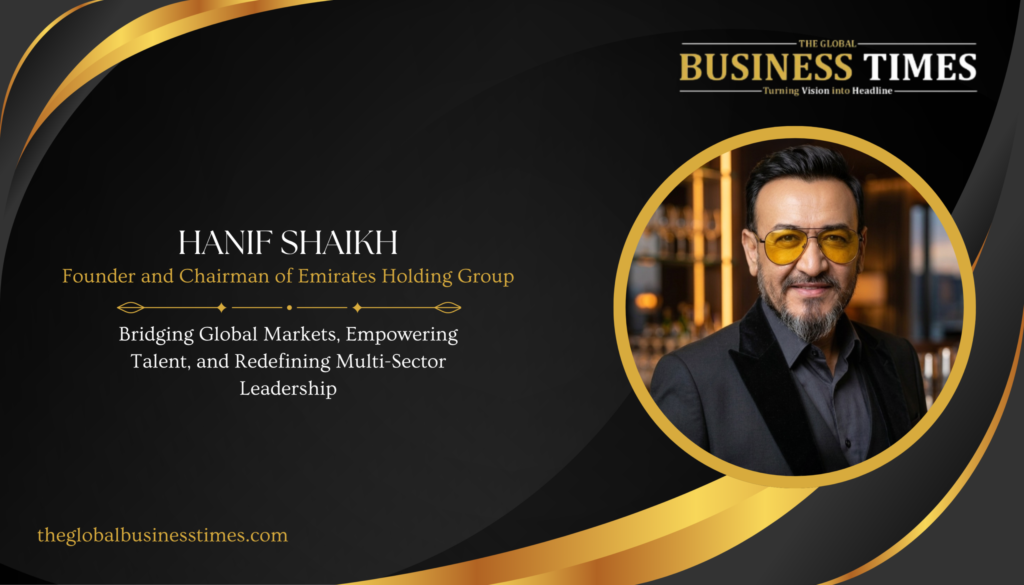
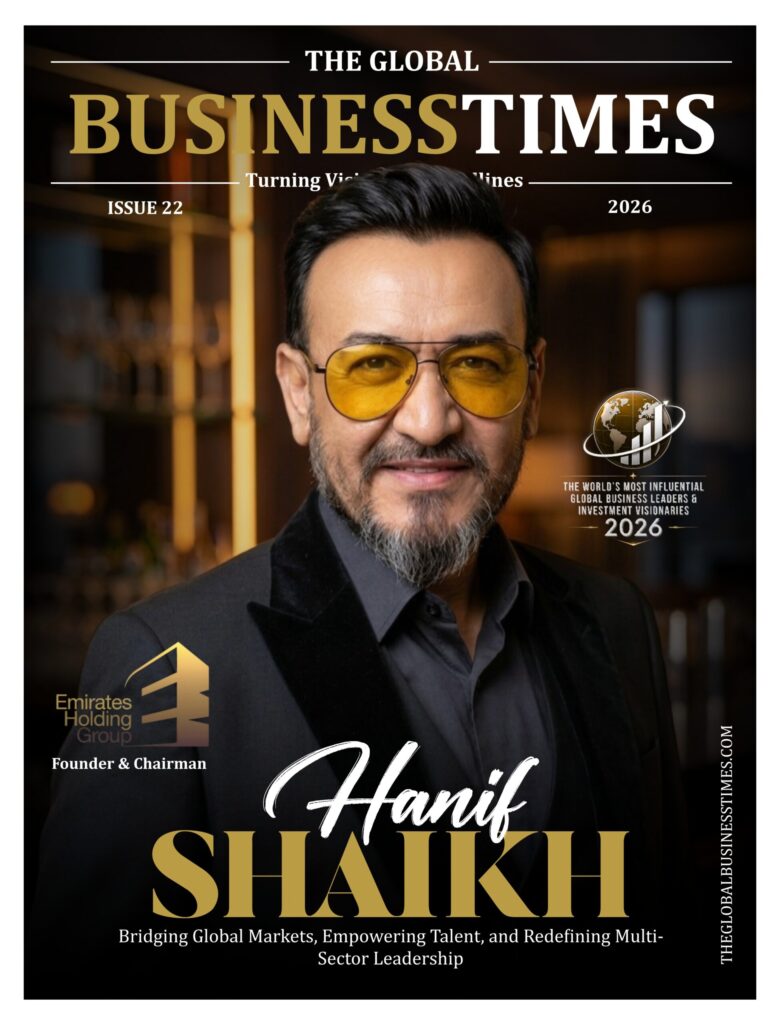
Hanif Shaikh: Bridging Global Markets, Empowering Talent, and Redefining Multi-Sector Leadership From Foundations in Mumbai to Global Infrastructure: A Visionary’s Evolution The modern international landscape operates across complex, high-stakes trade networks where economic agility and strategic diversification dictate sustainable growth. Today, as the Founder and Chairman of Emirates Holding Group (and United Group), Hanif Shaikh stands at the center of a dynamic operational footprint spanning the Middle East, Africa, South Asia, and Europe. His leadership perspective has been forged across more than two decades of cross-border development, sovereign trade, and large-scale project execution. Yet, Shaikh’s journey did not start in the high-rise executive suites of Dubai. Grounded in his roots in Mumbai where he earned his MBA in Marketing at the University of Mumbai his early career was defined by hands-on execution across Saudi Arabia and Oman. Navigating diverse regional business environments installed in him an early appreciation for operational discipline, cross-cultural diplomacy, and market agility. Taking a pivotal step in 2005, Shaikh established Emirates Holding Group in the UAE. Driven by a core philosophy that true success is measured by value creation and human empowerment, he systematically built a global consortium spanning energy, commodities, digital assets, events, real estate, and consumer goods. His evolution from an ambitious marketer to a global chairman reflects a continuous balance between strategic foresight and ground-level execution. The Core Philosophy: People, Value Creation, and Purpose-Driven Impact Guiding a multi-faceted conglomerate for over two decades requires more than opportunistic expansion; it demands a clear, unyielding business framework. Across every division of Emirates Holding Group, Shaikh operates on core leadership pillars: Trust and Integrity: Long-term international alliances endure market volatility only when anchored by operational transparency and mutual respect. Empowerment and Mentorship: Sustainable growth occurs when organizations actively nurture young talent, foster entrepreneurial drive, and support inclusive opportunities. Agility and Innovation: Continuous diversification from physical commodity trading to digital fintech integration ensures long-term resilience across economic cycles. From these foundational tenets, Shaikh cemented a guiding business principle: Success is not measured solely by enterprise balance sheets, but by the lives empowered and the long-term value delivered to global communities. The Conglomerate Ecosystem: A 360-Degree Operational Blueprint To address critical infrastructure gaps, energy demands, and commercial trade corridors, Shaikh structured Emirates Holding Group into a multi-sector powerhouse capable of managing end-to-end global projects. [ EMIRATES HOLDING GROUP ] [ Energy & Commodities ] [ Capital & Trading ] [ Lifestyle & Media ] Oil & Gas (Fuel/Base) • Project Funding • Emirates Luxury Show Gold & Diamond Mining • General Trading • Fashion & Film EPC & Infrastructure • Fintech & Crypto • Real Estate & Awards Strategic Sector Footprint Sector Core Focus & Operational Activities Key Growth Regions Energy & Infrastructure Trading fuel oil, base oil, chemicals, fire protection coatings, and large-scale EPC contracts. Middle East, Africa, CIS Commodities & Mining Gold mining, ore processing, and raw diamond and semi-precious stone trading. Africa, South Asia Luxury, Events & Media Curating high-profile international platforms, including the Emirates Luxury Show, Emirates Business Awards, and global fashion showcases. Dubai, Europe, GCC Fintech & Digital Trade Strategic alliances and equity investments in digital payment networks (e.g., Pezon via Rose Merc Ltd.) and e-commerce infrastructure. India, UAE, Global Structural Drivers Shaping Global Commerce and Trade As global markets shift under geopolitical changes, energy transitions, and rapid digitization, Shaikh identifies five major structural trends redefining global enterprise: Trade Route Decentralization: Emerging corridors across Africa, South Asia, and the Middle East are creating vital trade hubs that complement traditional East-West channels. Integration of Physical and Digital Assets: Commodity trading and supply chains are rapidly integrating with fintech ecosystems, digital asset platforms, and real-time payment solutions. Synergy Between Business and Entertainment: Global platforms that combine business excellence, luxury lifestyle, media coverage, and award recognition serve as powerful catalysts for cross-border investment. Demand for Strategic Project Funding: Infrastructure projects in developing regions require flexible capital, public-private partnerships (PPP), and strategic mentorship to succeed. Sustainable & Socially Responsible Growth: Environmental governance, local empowerment, and corporate philanthropy are transitioning from corporate social responsibility metrics into central drivers of long-term enterprise value. Strategic Alliances: Expanding Global Horizons A defining hallmark of Shaikh’s leadership is his capability to forge high-impact strategic partnerships connecting emerging markets with global capital centers. Through strategic collaborations with listed entities (such as Rose Merc Ltd.), media networks, and international trade bodies, Emirates Holding Group continues to launch major global initiatives such as the Emirates Luxury Show, Emirates Real Estate Awards, and regional business conclaves. By convening developers, government dignitaries, creative visionaries, and institutional investors on shared stages in Dubai, London, and beyond, Shaikh turns localized opportunities into international growth platforms. “Every act of goodness is charity even if it is just a smile.” Guided by a commitment to giving back, Shaikh balances large-scale industrial projects with active philanthropy, supporting youth skills development, community initiatives, and international cultural exchange. The Operational Playbook: Scaling Diversified Enterprises Managing operations across disparate sectors requires a clear execution framework to maintain quality and reliability as the enterprise scales: Standardization Across Subsidiaries: Implementing uniform operational standards across international offices in Dubai, Africa, South Asia, and Europe. Phased Ecosystem Growth: Matching physical infrastructure investments directly with market demand and verified trade corridors. High Cultural Intelligence: Respecting regional market nuances while upholding global governance standards. Transparent Communication: Relying on open, continuous dialogue across decentralized management teams to ensure operational alignment. A Strategic Roadmap for Emerging Founders and Industry Leaders For entrepreneurs and rising executive leaders entering dynamic global markets, Shaikh offers a practical blueprint for long-term impact: Build Ground-Up Operational Knowledge: True leadership requires understanding both high-level financial strategy and the practical realities of daily operations. Diversify with Strategic Purpose: Expand into complementary sectors where your core operational competencies add distinct value. Prioritize People and Partnerships: Enterprise success relies on the strength of
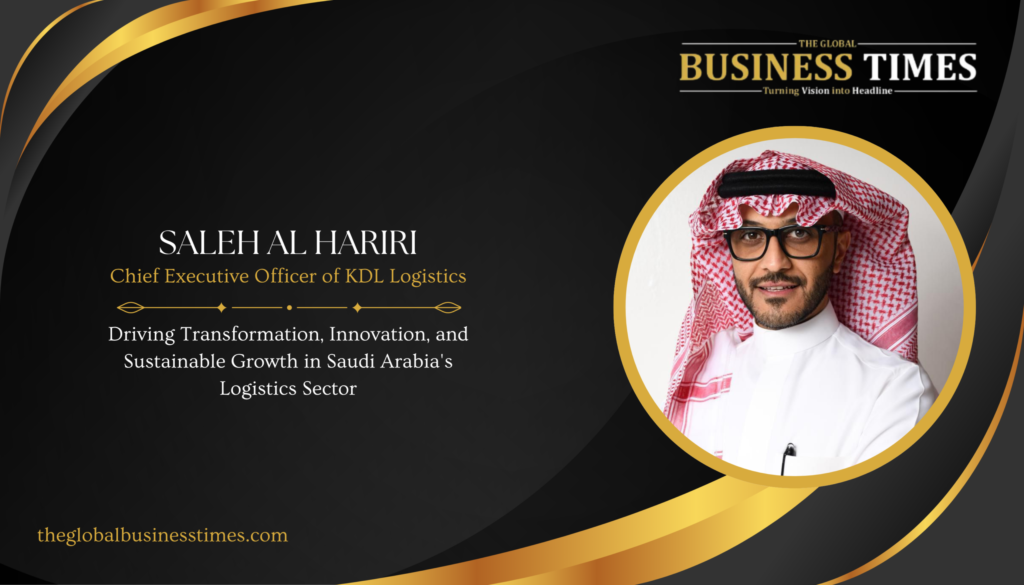
Driving Transformation, Innovation, and Sustainable Growth in Saudi Arabia’s Logistics Sector How Visionary Leadership, Strategic Governance, and Digital Innovation Are Shaping the Future of KDL Logistics In an increasingly interconnected global economy, logistics has become one of the most important drivers of business growth, economic development, and international trade. As supply chains grow more complex and customer expectations continue to evolve, logistics companies face mounting pressure to deliver greater efficiency, visibility, flexibility, and value. Success in this dynamic environment requires far more than operational expertise. It demands visionary leadership, strong governance, digital innovation, and an unwavering commitment to continuous improvement. At the forefront of this transformation stands the Chief Executive Officer of KDL Logistics, a seasoned executive whose career spans more than eighteen years across investment, healthcare, insurance, manufacturing, information technology, and logistics. Throughout his professional journey, he has consistently demonstrated an ability to drive business growth, scale operations, develop new market opportunities, and create sustainable long-term value. His diverse cross-industry experience has equipped him with a broad strategic perspective on business development, operational excellence, digital innovation, and organizational growth. His leadership philosophy is built upon a simple but powerful principle: successful organizations are created when governance, innovation, operational excellence, and people work together toward a common vision. These principles have guided his career and have become the foundation of KDL Logistics’ remarkable transformation journey. Under his leadership, the company has strengthened its governance framework, accelerated digital transformation, enhanced operational capabilities, and successfully completed its public listing on the Saudi Nomu Parallel Market. Today, KDL Logistics stands as a powerful example of how strategic vision and disciplined execution can transform an organization. As Saudi Arabia advances its ambitious Vision 2030 agenda and strengthens its position as a global logistics hub, the company continues to play an increasingly important role in supporting the Kingdom’s economic development and supply chain ambitions. A Career Built on Transformation and Leadership Every successful leader is shaped by experiences that challenge conventional thinking and encourage continuous growth. For the CEO of KDL Logistics, the foundations of his leadership journey were built through exposure to multiple industries, each presenting unique opportunities and challenges. Throughout his career, he has worked across investment, healthcare, insurance, manufacturing, technology, and logistics. This diverse professional background enabled him to gain valuable insights into how organizations operate, adapt, and create value in increasingly competitive markets. More importantly, it reinforced his understanding that regardless of industry, successful organizations share common characteristics: strong governance, effective leadership, operational discipline, and a culture committed to continuous improvement. His passion for business transformation emerged from observing the profound impact that leadership can have on organizational performance. Time and again, he witnessed how businesses that embraced innovation, strengthened internal capabilities, and empowered their people were able to overcome challenges and achieve sustainable growth. These experiences shaped his belief that transformation is not simply about implementing change but about creating environments where people are motivated to contribute to a shared vision. As his responsibilities expanded throughout his career, he developed a deeper appreciation for the relationship between strategy and execution. While many organizations possess ambitious plans, lasting success depends on the ability to translate those plans into measurable results. This realization continues to guide his leadership philosophy and remains central to every transformation initiative he undertakes. Leading Change Across Multiple Industries Over the course of eighteen years, several defining milestones have significantly influenced his approach to leadership and organizational development. Leading transformation programs across multiple industries provided invaluable lessons about change management, governance, and sustainable growth. One of the most important lessons learned throughout these experiences was that successful transformation requires far more than introducing new processes or technologies. Sustainable change begins with strong leadership, clear communication, effective governance, and teams that understand and support the organization’s objectives. Without these elements, even the most carefully designed strategies can struggle to achieve meaningful results. Managing large operational functions and shared services environments further reinforced the importance of aligning strategic objectives with operational execution. Successful organizations are those that ensure every function, team, and employee contributes toward achieving broader organizational goals. Digital transformation initiatives also played an important role in shaping his leadership perspective. These experiences demonstrated how technology can improve efficiency, strengthen customer experiences, and increase organizational agility. Equally important, they highlighted the need for leaders to balance technological advancement with cultural transformation, ensuring employees remain engaged and empowered throughout periods of change. Perhaps the most defining chapter of his leadership journey, however, has been guiding KDL Logistics through one of the most transformative periods in its history. This experience reinforced his belief that accountability, adaptability, and continuous improvement are essential foundations for long-term success. Driving KDL Logistics Through a Historic IPO Journey One of the most significant milestones in KDL Logistics’ history was its successful Initial Public Offering and listing on the Saudi Nomu Parallel Market. The achievement represented far more than a financial accomplishment; it reflected years of preparation, organizational transformation, and strategic discipline. Preparing for public listing required substantial effort across every aspect of the business. Governance structures were strengthened, compliance frameworks enhanced, financial reporting capabilities improved, and greater organizational discipline introduced throughout the company. These initiatives were necessary not only to meet regulatory requirements but also to establish the foundations of a sustainable publicly listed organization. One of the greatest challenges during the IPO journey was balancing transformational initiatives with ongoing business performance. While significant internal changes were taking place, the company remained committed to delivering exceptional service to customers and maintaining operational excellence. Successfully managing these priorities required strong leadership, organizational alignment, and a clear focus on long-term objectives. The experience provided valuable lessons about organizational readiness and sustainable value creation. Successful IPOs are not built solely on financial performance. They require effective governance, scalable systems, leadership alignment, and a culture that embraces transparency and accountability. Ultimately, the public listing marked the successful completion of a broader transformation journey that strengthened stakeholder confidence, enhanced organizational capabilities, and positioned KDL Logistics for future growth.