The Global Business Times

Articles

Advancing Precision Medicine Through Representative Biology and Artificial Intelligence

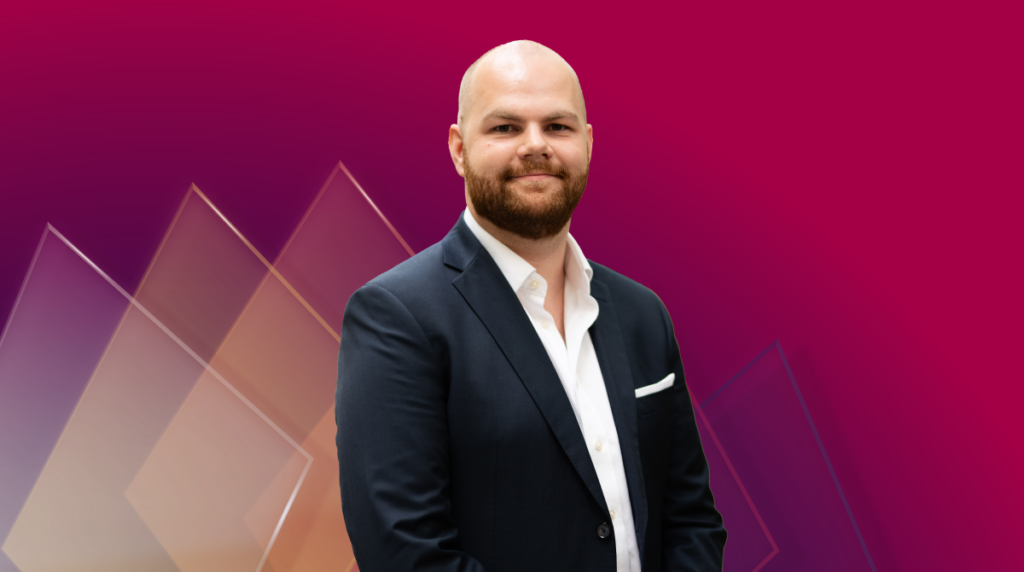
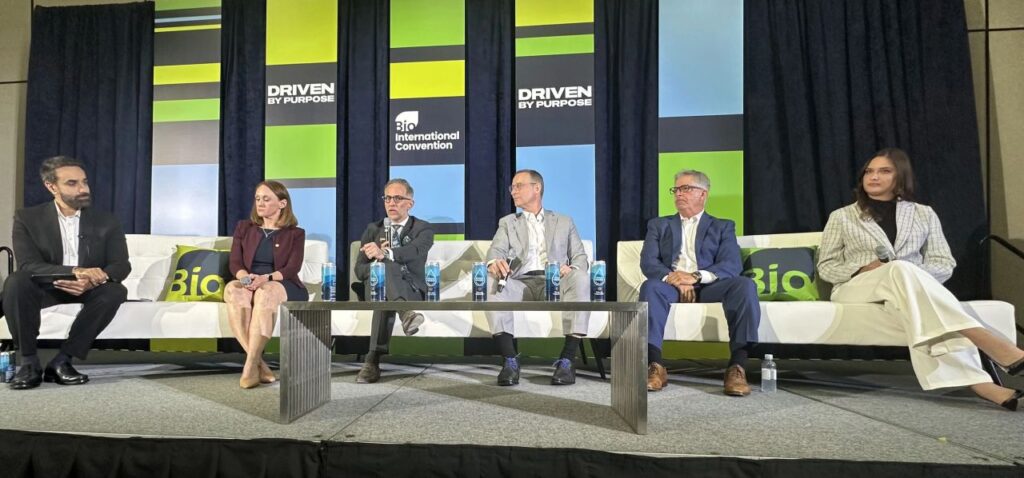
Vinod Gauba: Advancing Precision Medicine Through Representative Biology and Artificial Intelligence Building a Future Where Healthcare and AI Reflect the Diversity of Humanity The future of healthcare depends on more than advanced technology. It requires a deeper understanding of human biology and the recognition that every population deserves to benefit from scientific progress. At the intersection of medicine, artificial intelligence, and genomics, Vinod Gauba is working to address one of the most important challenges facing modern healthcare: making precision medicine more representative, inclusive, and accessible. A physician-entrepreneur with more than 25 years of clinical and research experience, Gauba has dedicated his work to improving how biological data is collected, governed, and used in scientific discovery. His approach is built around a simple but important principle: medical technologies can only deliver reliable results when the science behind them represents the diversity of the people they are designed to serve. As Chairman of the Count Us In Foundation, CEO of Panhuman, and Founder of GeneVault, Gauba is developing an interconnected approach to bringing underrepresented populations into global biomedical research while ensuring that communities and institutions retain control over their data and benefit from the discoveries it supports. Addressing the Representation Gap in Modern Medicine One of the major challenges in precision medicine is the limited diversity of the biological data used to develop modern medical tools. A significant proportion of genomic research has historically focused on people of European ancestry, leaving many populations underrepresented in the scientific evidence that informs healthcare decisions. This imbalance creates a scientific challenge, not simply an issue of representation. When medical models are trained on limited populations, their predictions may become less reliable when applied to people whose biology is not adequately represented in the underlying research. Gauba has consistently highlighted this concern in his work and public discussions. He believes that precision medicine cannot be more accurate than the biological evidence supporting it. For him, improving representation is essential to developing medical solutions that work reliably across different populations. His perspective also extends to clinical practice. Healthcare professionals, he argues, should understand which populations an AI model was trained on and whether its results have been validated in people similar to the patients receiving treatment. Building a More Inclusive Foundation for Biological AI Through Panhuman, where he serves as CEO, Gauba is working to advance biological foundation models that better reflect the diversity of human biology. The company’s objective is to complement existing models by extending their capabilities across populations that have historically been underrepresented in genomic research. Rather than replacing established scientific models, the approach focuses on making biological AI more representative and useful across different human populations. An important part of this model is its approach to data ownership. Panhuman does not hold data or operate clinical programmes. Instead, the data remains with the institutions and organisations responsible for its stewardship, while the intelligence developed through AI can be applied more broadly. This approach reflects Gauba’s belief that scientific progress and responsible data governance must advance together. Better biological intelligence requires access to broader evidence, but that access must be built on trust, transparency, and respect for the institutions and communities contributing the data. Putting Communities at the Centre of Global Research As Chairman of the Count Us In Foundation, Gauba is working to bring data from historically underrepresented populations into global scientific research. The independent nonprofit focuses on creating a framework through which institutions can participate in international research while maintaining ownership and control of their data. Participating institutions join the Foundation’s charter and have representation on regional councils that govern the programme. The initiative also places importance on ensuring that contributing communities receive meaningful benefits. These include scientific recognition, access to models, local capacity building, and shared value generated through their participation. For Gauba, this is essential to building lasting relationships between global research organisations and local institutions. Communities should not simply provide data for scientific advancement; they should also have a voice in how that data is used and benefit from the outcomes. His work reflects a wider understanding that trust cannot be added to research programmes after they have been established. It must be part of their structure from the beginning. Strengthening the Infrastructure for Ethical Data Collaboration Gauba’s work also includes GeneVault, a Public Benefit Corporation he founded to support the development of suitable human cohorts for pharmaceutical companies and advanced AI research. GeneVault works with data custodians, national programmes, and researchers to make genomic, multi-omic, and real-world health data available for scientific advancement in a secure, ethical, and compliant manner. The organisation follows a custodian-first approach, ensuring that data remains under local governance and control while enabling responsible research collaboration. This work addresses an important gap in biomedical innovation. Scientific organisations need diverse and reliable datasets, but institutions must also have the necessary infrastructure, governance arrangements, and capabilities to participate confidently. By connecting these requirements, Gauba aims to help create a research environment where institutions can contribute to global discoveries without compromising their responsibilities toward the people and communities they represent. Taking the Conversation Beyond Technology Gauba has also been actively involved in international discussions on genomics, responsible AI, and precision medicine. At the BIO 2026 conference, he participated in the “Data Without Borders” discussion, which explored how representative biological data could become more accessible to research while maintaining community trust and institutional control. He has also contributed to discussions at the Global Alliance for Genomics and Health’s 14th Plenary in Singapore, where questions surrounding AI governance, consent, data sovereignty, and fair benefit-sharing were central themes. His participation in international scientific forums, including the American Society of Human Genetics, reflects his commitment to moving the conversation beyond identifying gaps toward developing practical solutions. He has also highlighted the importance of better population representation at the 8th MEOM International Conference, drawing attention to how broad population classifications can make specific communities less visible in medical research and clinical evidence. These discussions reinforce his belief that the future of

Advancing Precision Medicine Through Representative Biology and Artificial Intelligence Read More »
Anthropic CEO Dario Amodei Takes a New Approach to Technology Philanthropy

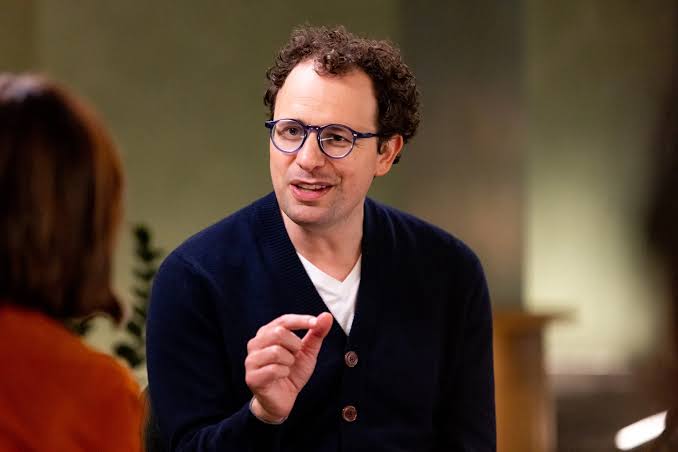
Anthropic CEO Dario Amodei Takes a New Approach to Technology Philanthropy Artificial intelligence is creating new opportunities, transforming industries, and generating enormous wealth. However, Anthropic CEO Dario Amodei believes that the benefits of this progress should reach beyond technology companies and their investors. Through a major philanthropic commitment, he and Anthropic’s other founders are taking steps to direct a significant portion of their wealth toward charitable causes. According to a recent securities filing, Amodei and the company’s six other founders each own more than 200 million shares of Anthropic. These holdings could be worth billions if the company reaches its expected valuation of more than $1 trillion. What makes this development particularly interesting is the founders’ decision to dedicate a large portion of their ownership to philanthropy. Anthropic has disclosed that each co-founder has pledged to contribute 80% of their personal equity in the company to charitable initiatives. This decision follows a message Amodei shared in January, highlighting the responsibility of wealthy individuals, especially those working in technology, to support people who may struggle as artificial intelligence changes the job market. He expressed concern about the growing criticism of philanthropy and argued that successful individuals should take a more active role in addressing social and economic challenges. Making Charitable Giving Part of Business Success Anthropic’s commitment is not limited to its founders. The company has also announced plans to match charitable share donations made by its employees. This could significantly increase the amount of funding available for nonprofit organizations and other social initiatives. For managing his charitable contributions, Amodei has chosen donor-advised funds (DAFs). These funds allow individuals to contribute money, company shares, and other assets to charitable accounts managed by public organizations. One of the main advantages of this approach is flexibility. Donors can contribute assets and receive applicable tax benefits while deciding how and when the funds should be distributed to eligible charitable organizations. This structure is particularly useful for technology entrepreneurs who hold valuable private company shares. Instead of selling their shares first, they can contribute eligible assets directly to charitable funds, potentially avoiding capital gains taxes that would otherwise apply to a sale. Anthropic’s filing shows that Amodei directly owns 240.6 million shares, along with another 4.6 million shares subject to voting proxies. The disclosure also explains that he retains certain voting rights over shares held or later acquired by donor-advised funds. The two charitable funds named in the filing are Daffy Charitable Fund and Dechomai Asset Trust. Anthropic has established agreements with these organizations to receive share donations from the company and its employees. A Growing Interest in Philanthropy Among Technology Leaders The rapid growth of artificial intelligence is creating substantial wealth, and some industry leaders are beginning to consider how they can use their success to make a positive difference. Adam Nash, CEO and co-founder of Daffy, believes this new wave of wealth creation could encourage more entrepreneurs to become involved in charitable activities. He explained that whenever major industries experience significant financial growth, a portion of that wealth often finds its way into philanthropy. He is also seeing younger business leaders think more carefully about why they are creating wealth and how their success can benefit others. Daffy was established to make charitable contributions easier for individuals and help companies introduce structured giving programs for their employees. The platform describes itself as a “401(k) for giving” and works with several major technology companies, including OpenAI. It allows employees to contribute cash, publicly traded shares, and private company stock to charitable causes, with some programs offering matching contributions. Since its launch five years ago, Daffy has grown to manage more than $2 billion in charitable assets, reflecting increasing interest in organised and long-term giving. Questions Around Donated Shares and Voting Rights Although Anthropic’s initiative has received attention for its scale, the arrangement also raises questions about how donated company shares should be managed. One particular area of discussion is Amodei’s ability to retain voting rights over certain shares contributed to donor-advised funds. Generally, charitable contributions require donors to give up control over the assets they donate in order to qualify for applicable tax benefits. However, donations involving private company shares can involve additional conditions, including restrictions on transfers and voting rights. Adam Nash explained that such arrangements are not unusual when charitable contributions involve private or restricted stock. He also noted that share sales during an IPO or other major financial transactions may be subject to specific company rules. Charitable organizations have their own policies regarding the types of assets they accept. Two important principles are that donations must be irrevocable and that the nonprofit organization must retain ultimate control over the donated investment, within the applicable restrictions. Nash believes that making the donation process simpler can encourage more people to support charitable causes. He explained that Daffy was built around the idea that charitable giving could increase significantly if people found it easier to set aside money and commit to giving in advance. A Different Vision for the Future of AI Wealth Anthropic’s decision reflects a broader conversation about the responsibilities that come with building successful technology companies. Artificial intelligence is expected to influence employment, education, healthcare, business operations, and many other areas of everyday life. While these developments offer significant opportunities, they also create concerns about economic inequality and the future of work. By committing a substantial portion of their company ownership to philanthropy, Amodei and his fellow founders are showing how technology wealth can potentially support wider social progress. Their initiative also sends an important message to other business leaders: success should not be measured only by company valuations, financial returns, or market influence, but also by the positive impact an organisation can create. As the AI industry continues to expand, the way its leaders approach philanthropy could become an important part of the industry’s future. Anthropic’s commitment offers an example of how business growth and social responsibility can work together to create lasting value for society. skip render: ucaddon_post_list

Anthropic CEO Dario Amodei Takes a New Approach to Technology Philanthropy Read More »

Shaping Ethical Horizons: The Visionary Journey of Maha Jouini

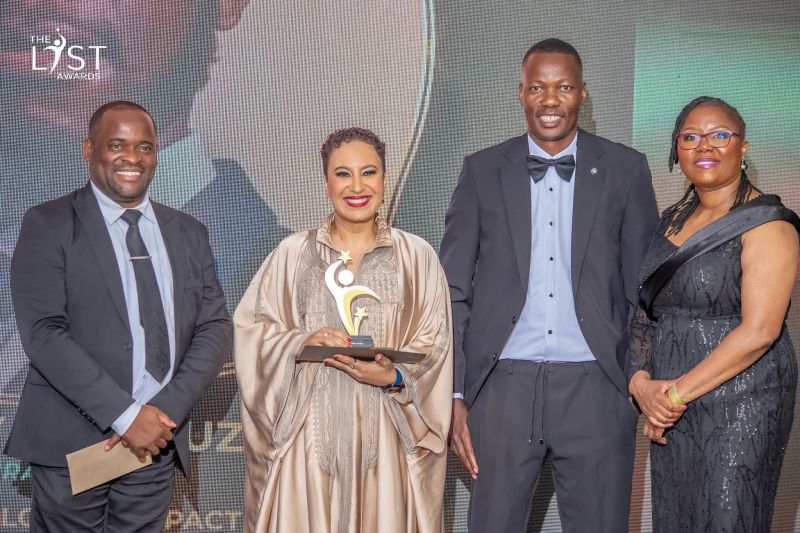
Shaping Ethical Horizons: The Visionary Journey of Maha Jouini In a global technology landscape where artificial intelligence models are often engineered within distant hubs and deployed without local context, Maha Jouini stands out as a pioneering voice for ethical governance, health equity, and data sovereignty. A Tunisian-born AI researcher, advocate, and survivor-led innovator, Jouini has spent her career championing decolonial AI governance across the Global South. Her work sits at the intersection of cutting-edge technology, institutional policy, and human dignity, making her one of Africa and the Arab world’s most influential figures in modern digital transformation. Academic Roots and Decolonial Frameworks Jouini’s technical and policy foundations bridge international academic traditions. She holds a Master’s degree in Artificial Intelligence and New Technologies from Tianjin University in China, giving her deep insight into advanced computational systems and modern digital infrastructure. To complement her technical expertise with institutional mechanics, she pursued further specialization in institutional governance at the University of the Witwatersrand in South Africa. This interdisciplinary background has fueled her advocacy for decolonial data governance. As Vice President of the Agence Francophone et Africaine de l’Intelligence Artificielle (AFRIA) and a Research Fellow at the Global Center on AI Governance, Jouini actively promotes the African Union Data Policy Framework. Her work explicitly addresses how historic colonial legacies continue to shape modern data collection, algorithmic design, and digital economic models. Rather than treating artificial intelligence as a passive import, Jouini advocates for architectures grounded in native philosophical traditions: Ubuntu: The Southern African ethic of interdependence—“I am because we are”—reframing technology around collective well-being rather than individual extraction. Hikma: The North African and Arab concept of wisdom, guiding knowledge and technological progress toward ethical, human-centric outcomes. CHIFAA AI: Transforming Personal Adversity into Health Equity In mid-2025, Jouini faced a life-altering diagnosis of bilateral breast cancer. Navigating grueling medical treatments, she experienced firsthand the systemic gaps, social stigmas, and lack of accessible, culturally tailored information available to women battling cancer across North Africa and the Global South. Rather than stepping away from her life’s work, Jouini harnessed her expertise to found CHIFAA AI in July 2026. CHIFAA is a survivor-led, human-centered initiative designed to provide compassionate, multilingual digital support for women affected by breast and cervical cancer across North Africa. The platform integrates ethical AI companions, privacy-preserving data management, and patient awareness campaigns like the Breaking the Silence podcast. By grounding algorithmic support in lived patient experiences, CHIFAA challenges traditional healthcare barriers and socioeconomic stereotypes surrounding women’s health in the region. Global Recognition and Institutional Impact Jouini’s multi-layered contributions across governance, health innovation, and digital policy have earned her international acclaim: Milestone / Recognition Organization / Event Focus Area She Shapes AI Global Award She Shapes AI Global Thought Leadership in AI Governance Microsoft Elevate Fellow Microsoft Elevate & EY Ripples Scalable AI for Social Impact & Innovation Top 45 Women in Tech CIO Africa Magazine Digital Transformation Leadership across Africa Emerging Tech Finalist The List Awards (Harare, Zimbabwe) Healthcare Innovation via CHIFAA AI Top 20 Change Makers UNESCO MENA (2022) Gender Inclusion & Digital Empowerment   Beyond her research positions at the Center for AI and Digital Policy (CAIDP) and her previous role as a country researcher for the Responsible AI Global Index, Jouini’s advocacy extends to human rights. She has spearheaded grassroots campaigns such as the African Union Campaign to End Child Marriage and the “Mazal” initiative against anti-migrant racism in North Africa. Redefining the Future of Responsible Innovation Maha Jouini’s career underscores a fundamental truth: artificial intelligence cannot be built in a vacuum. True technological innovation demands that lived experience, ethical stewardship, and cultural diversity sit at the center of system design. Whether addressing the United Nations, contributing to continental data strategies, or building health equity solutions for cancer survivors, Jouini ensures that African, Arab, and Global South perspectives do not merely participate in the technological future—they actively define it. skip render: ucaddon_post_list

Shaping Ethical Horizons: The Visionary Journey of Maha Jouini Read More »

From Coffee Shop Owner to Digital Entrepreneur: Jacob Burn’s Journey of Building an Online Coffee Marketplace

From Coffee Shop Owner to Digital Entrepreneur: Jacob Burn’s Journey of Building an Online Coffee Marketplace After years of operating hospitality businesses, Jacob Burn turned his entrepreneurial experience into a new opportunity in the digital coffee industry. Supported by the strategic knowledge gained through his Full-time MBA at Melbourne Business School, he is now expanding two online coffee ventures, Drop and Altdrop. An entrepreneurial journey that started behind the coffee counter Jacob Burn’s introduction to entrepreneurship began with a part-time job as a barista while studying Aerospace Engineering. What initially served as a way to support his university expenses soon developed into a serious interest in the business of running a coffee shop. Observing the management of the café where he worked, Burn became convinced that he could build and operate a better business. Although he later acknowledged that he had underestimated the challenges his employer faced, his confidence encouraged him to take an ambitious step. In 2018, he secured a $30,000 loan, partnered with a close friend and opened his first coffee shop. That decision marked the beginning of an entrepreneurial journey that would eventually extend into hospitality, consulting and digital commerce. While completing his engineering degree, Burn managed the practical responsibilities of running a business. From establishing the company registration and developing its brand to negotiating commercial leases and maintaining financial records, he gained experience across nearly every aspect of business ownership. He considers hospitality an especially valuable environment for developing commercial discipline. Operating a coffee shop requires careful financial management, consistent service quality and efficient daily operations. With limited margins, even small operational mistakes can affect profitability. However, one of his most important lessons concerned people and organisational culture. Burn recognised that effective systems depend heavily on the individuals responsible for implementing them. When employee engagement declines, operational standards often follow, creating challenges that can become increasingly difficult to reverse. His first venture, Harvest Specialty Coffee, eventually closed after its lease expired and the building was demolished. His second business, Plenty Eatery, was subsequently sold to new owners. Both experiences provided valuable lessons that shaped his approach to future opportunities. Turning practical experience into strategic knowledge After several years of learning through entrepreneurship, Burn decided to strengthen his business knowledge through formal education. In 2023, he enrolled in the Full-time MBA programme at Melbourne Business School, graduating in 2025. For Burn, the MBA represented an opportunity to connect practical business experience with structured management principles. Having already experienced the realities of operating small businesses, he entered the programme with a clear understanding of the areas where he needed to improve. People management was particularly important. While his previous ventures had taught him how to establish operations and manage commercial responsibilities, he wanted to become more effective at building teams, motivating employees and handling workplace challenges. His experience in the MBA’s people management coursework proved especially valuable. He found the lessons on employee motivation, constructive conflict resolution and leadership directly relevant to the challenges he had encountered as a business owner. Rather than approaching the programme solely as an academic qualification, Burn used it to examine previous decisions, understand earlier mistakes and develop more effective approaches to managing organisations. Exploring professional opportunities beyond entrepreneurship When Burn began his MBA, he initially considered consulting as the next stage of his professional development. He viewed the industry as an opportunity to broaden his commercial exposure and apply his existing business knowledge across different sectors. Melbourne Business School’s Career Services team supported this transition through professional introductions, career preparation and access to employment opportunities. One such connection led to an internship with Westbourne Consulting, a boutique consulting firm. The experience proved successful, eventually developing into a full-time professional opportunity. During his time with the firm, Burn completed five consulting projects, gaining exposure to different business challenges and strategic environments. His background as a small business owner also gave him a practical perspective when analysing operational and commercial decisions. Throughout this period, Career Services continued to support his professional development, particularly as he considered whether to pursue a long-term consulting career or return to entrepreneurship. For Burn, the distinction was not simply about securing employment. It was about identifying a direction that would allow him to build a meaningful career around his strengths and ambitions. Ultimately, his entrepreneurial interests remained central to that decision. Creating new opportunities in the online coffee market Burn’s interest in digital entrepreneurship had already taken shape before he completed his MBA. In 2021, during the COVID-19 lockdowns, he established Drop, an online business designed to connect coffee consumers with independent specialty coffee roasters. The concept emerged from two developments: increasing interest in preparing quality coffee at home and the commercial difficulties faced by smaller roasting businesses during the pandemic. Drop aims to make specialty coffee more accessible by bringing beans from leading Australian roasters directly to consumers. Through its online platform, customers can discover different roasters and purchase their products without relying on individual store visits. However, Burn’s understanding of the business opportunity became more refined during his MBA. He recognised that the challenge was not simply about selling coffee online. It involved addressing inefficiencies in the way specialty coffee reached consumers. He drew comparisons with the wine industry, where consumers commonly purchase products through established retailers rather than visiting individual vineyards. This intermediary model creates convenience and provides access to a wider selection of products. Burn saw potential for a similar approach in specialty coffee. Although home coffee consumption was growing, purchasing directly from individual roasters remained common. He believed an integrated marketplace could improve product discovery and simplify the buying experience. In July 2025, he expanded this vision by acquiring Altdrop, an existing online marketplace that allows customers to purchase coffee beans from specialty roasters. Together, Drop and Altdrop represent his ambition to develop a more connected digital marketplace for Australia’s specialty coffee industry. By bringing different roasters and their products together, the businesses aim to create greater convenience for consumers while opening additional

From Coffee Shop Owner to Digital Entrepreneur: Jacob Burn’s Journey of Building an Online Coffee Marketplace Read More »

Samaco Marine

Samaco Marine strengthens its integrated marine services and marina operations in Saudi Arabia With over 50 years of industry expertise, Samaco Marine is broadening its service portfolio, strengthening its marina operations and pursuing strategic partnerships to support its next phase of growth across the region. Expanding its marine services portfolio Samaco Marine is taking steps to strengthen its presence in Saudi Arabia’s growing marine industry by bringing a wider range of services under one integrated business model. Its expanding portfolio connects marina management, boat sales, vessel maintenance and after-sales support, offering customers a more comprehensive approach to marine ownership and operations. Building on more than five decades of industry experience, the company is evolving beyond its original private marina operations to serve a wider customer base, including individual boat owners and commercial marine businesses. Announced on 26 October 2026, this development reflects Samaco Marine’s ambition to establish a more connected service platform that addresses different stages of the marine customer journey. Its existing operations include private and commercial marina management, supported by three marina projects in Jeddah. Creating a connected customer experience A central part of Samaco Marine’s strategy is to bring essential marine services together through a single operating platform. By connecting vessel purchases, marina facilities, technical workshops and ongoing maintenance, the company aims to simplify the experience for customers while improving access to specialist support. This integrated approach allows boat owners and marine businesses to access several related services through one provider. From purchasing a vessel to arranging maintenance and securing marina facilities, customers can benefit from a more coordinated service experience. The model also reflects the company’s focus on developing long-term customer relationships rather than limiting its role to individual transactions. By strengthening its after-sales capabilities and technical support, Samaco Marine is positioning itself to address the continuing operational needs of the marine community. Strengthening its presence in Jeddah Jeddah continues to serve as a significant base for Samaco Marine’s activities. With three marina projects within its existing portfolio, the company has established an operational foundation in both private and commercial marina management. Its experience in managing these facilities provides valuable expertise as Saudi Arabia develops its coastal infrastructure and marine leisure sector. The company intends to build on this foundation by expanding the range of services available to customers and exploring opportunities that complement its existing operations. Ryanah Alghamdi, Deputy General Manager of Samaco, highlighted the company’s broader vision, explaining that its ambition extends beyond marina management. The objective is to support customers throughout their marine journey, bringing together boat sales, after-sales services and marina facilities while contributing to the development of Saudi Arabia’s marine industry. Exploring strategic partnerships across the region Beyond its domestic operations, Samaco Marine is also assessing potential partnerships across the wider region. These collaborations could help strengthen its service capabilities, create new commercial opportunities and establish relationships with businesses operating across different areas of the marine industry. Regional partnerships form an important part of the company’s longer-term development approach. By working with complementary industry players, Samaco Marine aims to explore opportunities that support its integrated business model and extend the value it delivers to customers. Alghamdi emphasised the importance of developing a connected marine services ecosystem that can serve individual customers, commercial organisations and the wider industry. Building the right capabilities and partnerships will remain central to advancing this vision. Although the company has not announced specific partnership agreements or additional development locations, its regional ambitions indicate an interest in exploring opportunities beyond its established Saudi Arabian operations. Contributing to the growth of Saudi Arabia’s marine sector Saudi Arabia’s continued investment in coastal tourism, leisure destinations and maritime infrastructure is creating opportunities for businesses involved in marine services. As the sector develops, demand for professionally managed marinas, vessel maintenance, technical assistance and specialist boating services is expected to become increasingly important. Within this changing landscape, Samaco Marine is focused on strengthening the operational capabilities needed to serve both recreational and commercial customers. Its combination of industry experience, marina management and expanding technical services provides a foundation for participating in the sector’s next stage of development. Rather than pursuing growth through individual service offerings alone, the company is working towards a more integrated model that connects customers, facilities and specialist support. For now, its priorities remain centred on developing its existing portfolio, strengthening customer services and identifying suitable regional partnerships. With more than five decades of experience behind it, Samaco Marine is looking to build on its established position and contribute to the evolving marine services landscape in Saudi Arabia and the wider region. skip render: ucaddon_post_list

Samaco Marine Read More »

Legacy in motion

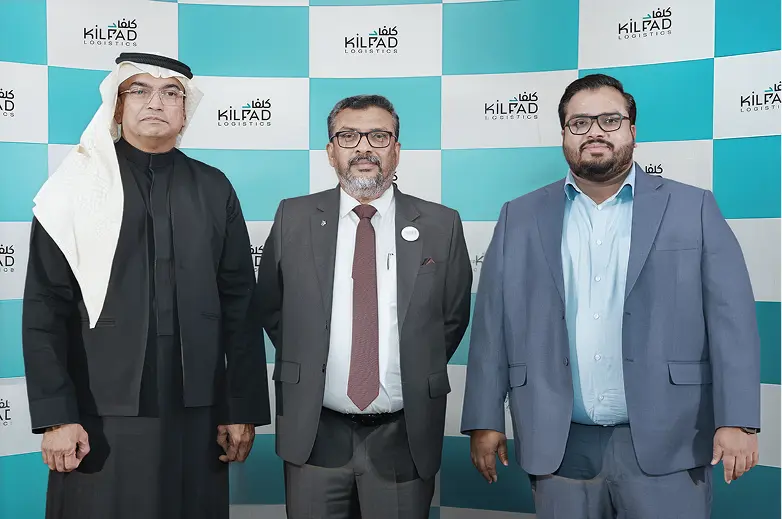
Building Beyond Boundaries How KiLFAD Logistics is strengthening its people, expanding its services and driving sustainable growth. KiLFAD Logistics marks its 30th anniversary with more than 200 employees, over 50 trucks and a new headquarters in Jeddah. Founded in 1996 as EFS Logistics with just two employees, the company has grown into a multi-service logistics provider operating across Jeddah, Riyadh and Dammam. With plans to expand its fleet beyond 500 trucks and establish offices in Bahrain, Oman, Egypt and China, KiLFAD is preparing for a significant new chapter. The transition from EFS to KiLFAD represents more than a change of identity. It reflects the company’s evolution into a larger, more structured organisation with broader capabilities and international ambitions. Najeeb Kalappadan, Managing Director of KiLFAD Logistics, has spent three decades developing the business through customer relationships, operational experience and hands-on leadership. As the company expanded, he recognised the need for investment in infrastructure, technology, fleet capacity and management capabilities. “The EFS model had also depended greatly on personal relationships, individual experience and direct senior-management involvement,” he explains. KiLFAD is now distributing greater responsibility across departments, allowing managers to make decisions closer to daily operations. Three Decades of Steady Growth EFS’s growth came through a series of strategic milestones rather than a single breakthrough. A significant step arrived in 2003, when the company secured its Civil Aviation licence and IATA accreditation. During the same period, it began operating in the bonded and free zone at Jeddah Islamic Port, including less-than-container-load (LCL) cargo handling. These developments strengthened its airfreight capabilities and expanded its experience in cargo consolidation, customs procedures and bonded operations. Further expansion followed with the opening of its Dammam office in 2010 and Riyadh office in 2011. The company subsequently added warehousing, in-house customs brokerage and container transportation, enabling it to manage more stages of the shipment journey. “Licences gave us capability, bonded and LCL operations gave us infrastructure, and international agencies gave us reach and scale,” Najeeb says. Connecting to International Markets International partnerships helped EFS move beyond its domestic foundations. JAS provided access to overseas offices, international trade lanes and multinational customers. Its relationship with Hellmann Worldwide Logistics introduced larger key accounts and more complex shipment programmes, strengthening its approach to compliance, procedures and operational coordination. “These relationships contributed much more than shipment volume,” Najeeb says. “They trained our organisation to operate as the Saudi extension of an international logistics network.” C.H. Robinson now forms part of KiLFAD’s international operations. The company supports customers through customs clearance, transportation, regulatory coordination and destination logistics, managing the Saudi side of international shipments. KiLFAD has also secured accreditation under ZATCA’s Saudi Authorised Economic Operator Programme in the Trusted Operator category, including Saudi/GCC AEO certification. Building Accountability and Operational Strength Nadir Kalappadan, Executive Director, joined EFS in 2012. As the organisation expanded, he recognised that increasing shipment volumes and additional service lines required clearer departmental responsibilities. Processes that worked in a smaller organisation needed stronger performance measurement, defined ownership and faster escalation. “Accountability must extend beyond completing an individual task. The responsible team must remain engaged until the agreed customer outcome has been achieved, documented and communicated,” Nadir explains. KiLFAD is strengthening its internal capabilities across customs brokerage, transport management, project planning, regulatory expertise, quality assurance, training and data analysis. Its own transport fleet provides greater control over scheduling and execution, while specialist teams manage complex supply chain requirements. International partners remain essential, but KiLFAD aims to maintain ownership of the complete customer experience, regardless of who performs individual operational tasks. People at the Centre of Growth With more than 200 employees across three Saudi cities, KiLFAD is developing a stronger management structure. The appointment of a General Manager, reinforcement of the Assistant General Manager role and increased authority for department heads support more effective decision-making. The EFS Academy, launched in 2023, plays an important role in employee development. Through training in freight forwarding, customs clearance, bonded operations, transportation and customer service, the company aims to strengthen internal expertise and prepare employees for greater responsibilities. Sameer Kilfaden, Director and Board Member, brings 23 years of experience as Logistics Director at Savola Group. His understanding of transportation, warehousing, stock availability and distribution provides valuable insight into changing customer expectations. He sees skilled personnel as essential to the company’s future. KiLFAD aims to develop Saudi employees across customs, commercial development, fleet operations, finance, technology, quality and senior management. Expanding Beyond Saudi Arabia Through its Vision 2035 strategy, KiLFAD plans to establish offices in Bahrain, Oman, Egypt and China. Each market offers distinct opportunities. Bahrain provides cross-border road freight connections through the King Fahd Causeway. Oman offers access to important Arabian Sea ports, including Duqm, Sohar and Salalah. Egypt creates opportunities in ocean freight, project cargo and regional trade, while China provides closer access to manufacturers and exporters. The company intends to establish these offices in phases, guided by customer requirements and cargo movements. One recent shipment demonstrates its growing regional capabilities. KiLFAD managed 852 kilograms of industrial equipment from Houston through Istanbul to Riyadh before transporting it by road to Kuwait using its own truck. The operation involved airport handling, transit customs, loading and cross-border transportation. Maintaining Standards for the Future As the company expands, consistent service delivery will remain a priority. Management plans to monitor fleet utilisation, customs clearance turnaround, delivery performance, billing accuracy, claims and customer issue resolution. For Nadir, the ultimate measure of success is straightforward: “For me, the clearest evidence of success will be that a customer receives the same KiLFAD standard regardless of whether the shipment enters through Jeddah, Riyadh or Dammam and regardless of which employee or department handles it.” Thirty years of experience have established KiLFAD’s operational foundations, industry relationships and market presence. Its next chapter focuses on developing its people, expanding its fleet, strengthening its services and connecting Saudi Arabia with more international markets. For KiLFAD, growth is no longer simply about expanding operations. It is about building a stronger organisation capable of delivering consistent service

Legacy in motion Read More »