Artificial intelligence is creating new opportunities, transforming industries, and generating enormous wealth. However, Anthropic CEO Dario Amodei believes that the benefits of this progress should reach beyond technology companies and their investors. Through a major philanthropic commitment, he and Anthropic’s other founders are taking steps to direct a significant portion of their wealth toward charitable causes.
According to a recent securities filing, Amodei and the company’s six other founders each own more than 200 million shares of Anthropic. These holdings could be worth billions if the company reaches its expected valuation of more than $1 trillion.
What makes this development particularly interesting is the founders’ decision to dedicate a large portion of their ownership to philanthropy. Anthropic has disclosed that each co-founder has pledged to contribute 80% of their personal equity in the company to charitable initiatives.
This decision follows a message Amodei shared in January, highlighting the responsibility of wealthy individuals, especially those working in technology, to support people who may struggle as artificial intelligence changes the job market.
He expressed concern about the growing criticism of philanthropy and argued that successful individuals should take a more active role in addressing social and economic challenges.
Making Charitable Giving Part of Business Success
Anthropic’s commitment is not limited to its founders. The company has also announced plans to match charitable share donations made by its employees. This could significantly increase the amount of funding available for nonprofit organizations and other social initiatives.
For managing his charitable contributions, Amodei has chosen donor-advised funds (DAFs). These funds allow individuals to contribute money, company shares, and other assets to charitable accounts managed by public organizations.
One of the main advantages of this approach is flexibility. Donors can contribute assets and receive applicable tax benefits while deciding how and when the funds should be distributed to eligible charitable organizations.
This structure is particularly useful for technology entrepreneurs who hold valuable private company shares. Instead of selling their shares first, they can contribute eligible assets directly to charitable funds, potentially avoiding capital gains taxes that would otherwise apply to a sale.
Anthropic’s filing shows that Amodei directly owns 240.6 million shares, along with another 4.6 million shares subject to voting proxies. The disclosure also explains that he retains certain voting rights over shares held or later acquired by donor-advised funds.
The two charitable funds named in the filing are Daffy Charitable Fund and Dechomai Asset Trust. Anthropic has established agreements with these organizations to receive share donations from the company and its employees.
A Growing Interest in Philanthropy Among Technology Leaders
The rapid growth of artificial intelligence is creating substantial wealth, and some industry leaders are beginning to consider how they can use their success to make a positive difference.
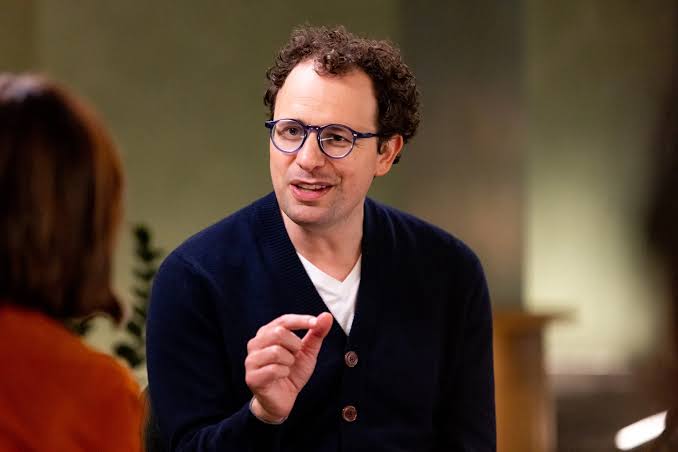
Adam Nash, CEO and co-founder of Daffy, believes this new wave of wealth creation could encourage more entrepreneurs to become involved in charitable activities.
He explained that whenever major industries experience significant financial growth, a portion of that wealth often finds its way into philanthropy. He is also seeing younger business leaders think more carefully about why they are creating wealth and how their success can benefit others.
Daffy was established to make charitable contributions easier for individuals and help companies introduce structured giving programs for their employees.
The platform describes itself as a “401(k) for giving” and works with several major technology companies, including OpenAI. It allows employees to contribute cash, publicly traded shares, and private company stock to charitable causes, with some programs offering matching contributions.
Since its launch five years ago, Daffy has grown to manage more than $2 billion in charitable assets, reflecting increasing interest in organised and long-term giving.
Questions Around Donated Shares and Voting Rights
Although Anthropic’s initiative has received attention for its scale, the arrangement also raises questions about how donated company shares should be managed.
One particular area of discussion is Amodei’s ability to retain voting rights over certain shares contributed to donor-advised funds. Generally, charitable contributions require donors to give up control over the assets they donate in order to qualify for applicable tax benefits.
However, donations involving private company shares can involve additional conditions, including restrictions on transfers and voting rights.
Adam Nash explained that such arrangements are not unusual when charitable contributions involve private or restricted stock. He also noted that share sales during an IPO or other major financial transactions may be subject to specific company rules.
Charitable organizations have their own policies regarding the types of assets they accept. Two important principles are that donations must be irrevocable and that the nonprofit organization must retain ultimate control over the donated investment, within the applicable restrictions.
Nash believes that making the donation process simpler can encourage more people to support charitable causes.
He explained that Daffy was built around the idea that charitable giving could increase significantly if people found it easier to set aside money and commit to giving in advance.
A Different Vision for the Future of AI Wealth
Anthropic’s decision reflects a broader conversation about the responsibilities that come with building successful technology companies.
Artificial intelligence is expected to influence employment, education, healthcare, business operations, and many other areas of everyday life. While these developments offer significant opportunities, they also create concerns about economic inequality and the future of work.
By committing a substantial portion of their company ownership to philanthropy, Amodei and his fellow founders are showing how technology wealth can potentially support wider social progress.
Their initiative also sends an important message to other business leaders: success should not be measured only by company valuations, financial returns, or market influence, but also by the positive impact an organisation can create.
As the AI industry continues to expand, the way its leaders approach philanthropy could become an important part of the industry’s future. Anthropic’s commitment offers an example of how business growth and social responsibility can work together to create lasting value for society.