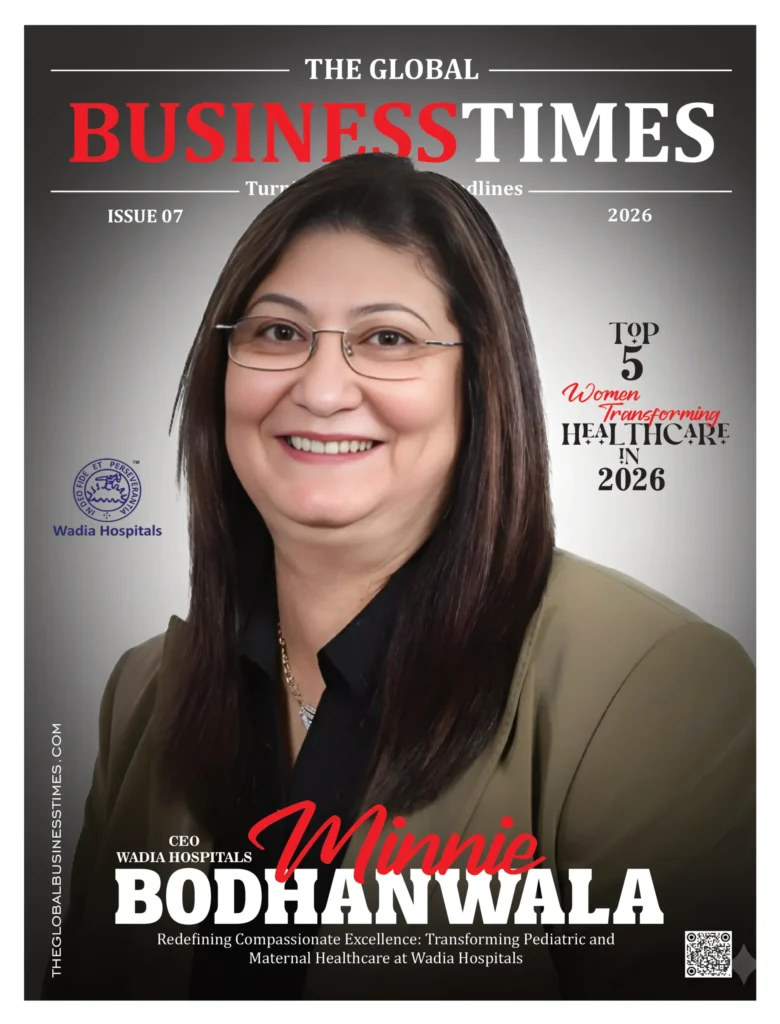
Top 5 Women Transforming Healthcare in 2026
Top 5 Women Transforming Healthcare in 2026 Read More »



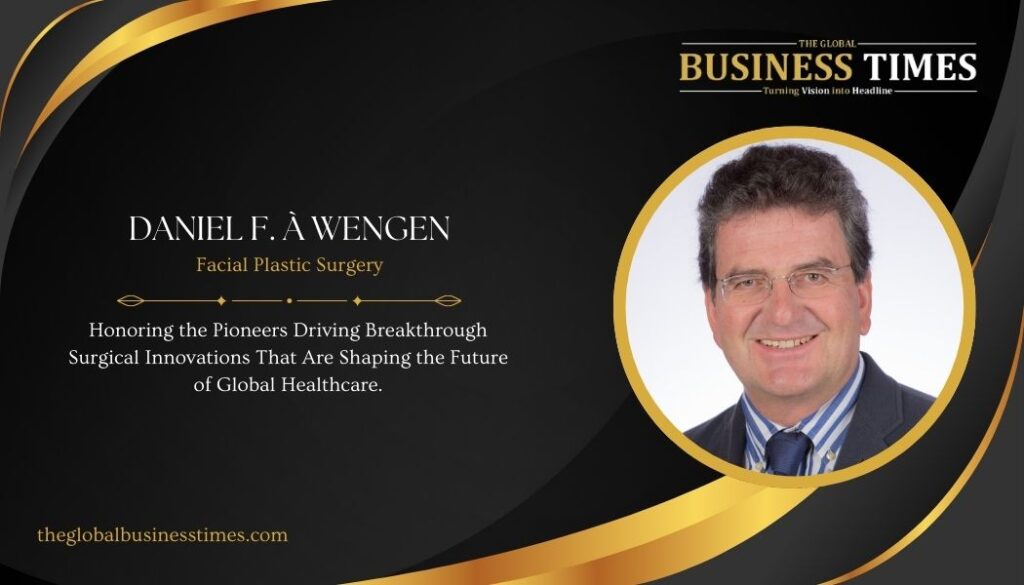
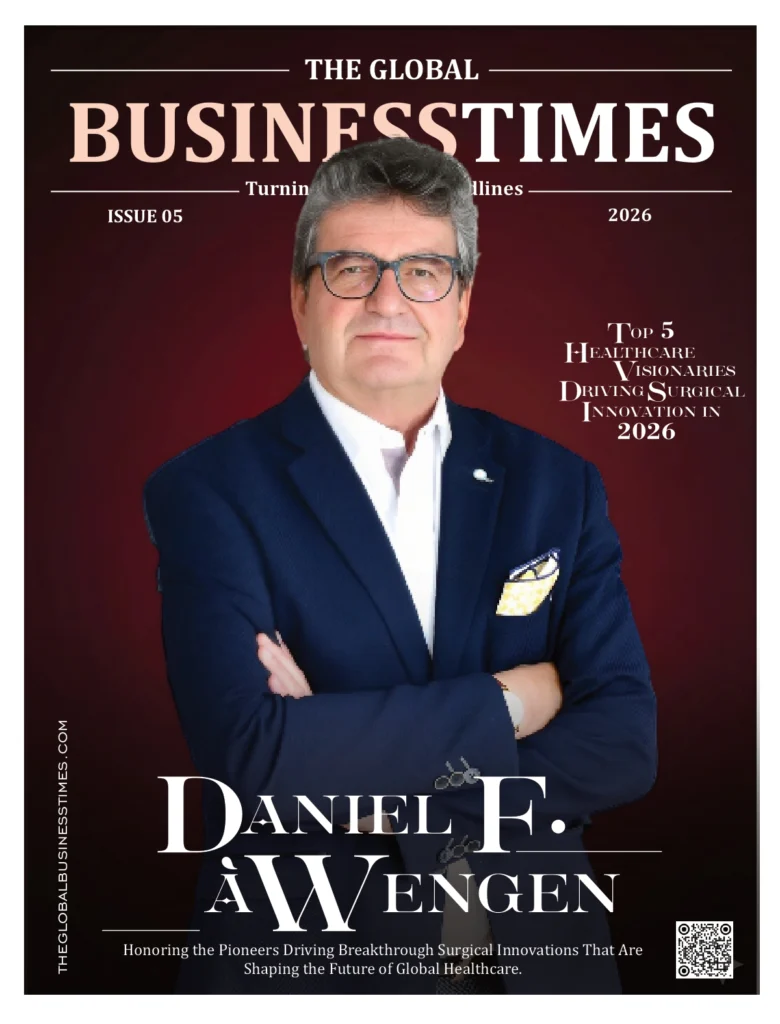
Prof. Dr. Daniel F. à Wengen: The Surgeon Who Gave the World a Freer Breath and a Clearer Sound “Air is life and breathing is freedom.” For Prof. Dr. Daniel F. à Wengen, those words are not simply poetic, they are the foundation of a lifelong mission. Over several decades, the Swiss facial plastic and otologic surgeon has transformed how medicine approaches two of the most fundamental functions of human life: breathing and hearing. Through pioneering implants, meticulous surgical techniques, and a relentless commitment to innovation, he has given thousands of patients something many people never think about until it is lost, the ability to breathe and hear with ease. Today, more than ten thousand people around the world live with his Titanium Breathe Implant, while many more benefit from middle ear prostheses and concepts that grew out of his early work on hearing implants. Yet behind this impressive record of patents, surgical techniques, and international recognition stands a physician who, above all, measures success in quiet, deeply personal moments. It is the patient who finally sleeps through the night without snoring, the individual who can walk up a flight of stairs without struggling for air, or the person who hears a loved one clearly again. Those are the outcomes that truly define his legacy. From Basel to California: A Career Forged in Curiosity and Courage Prof. à Wengen’s story begins in Switzerland, at the University of Basel and the University Hospital of Basel, where he completed his specialist training in otorhinolaryngology. Very early in his career, he realised that he was not content to simply apply existing techniques. He was drawn to the unknown frontiers of his specialty, where anatomy, physics, and technology intersect, and where completely new solutions could be engineered for long standing medical problems. After his initial specialist training, he undertook a surgical fellowship at the University of Davis Medical Center in Sacramento, California, from 1991 to 1992. There, he refined his manual skills and deepened his understanding of complex head and neck as well as skullbase procedures. This period strengthened his conviction that truly outstanding surgery demands both technical mastery and a profound respect for anatomy. The real turning point, however, came with a generous research grant from the Swiss National Science Foundation, which allowed him to spend 1992 to 1993 as an Otologic Fellow at Stanford University in Palo Alto. At Stanford, he joined a cutting edge research laboratory focused on implantable hearing aids, led by Professor Dick Goode. Rather than working on incremental improvements to existing hearing aids, this group was exploring the radical idea of directly driving the structures of the middle ear. Immersed in this environment, Prof. à Wengen started a new research program and helped to develop a new type of middle ear implant that bypassed the limitations of conventional acoustic hearing aids. By transmitting sound energy directly to the hearing structures of the middle ear, this implant provided far superior sound quality and clarity. This pioneering work eventually contributed to the development of the Vibrant Soundbridge, which is today regarded as the most successful middle ear implant in the world. It also became the core topic of his academic thesis, and a contribution he remains deeply proud of. Following his time in California, he returned to Switzerland to pursue further top level otologic training at the University Hospital Zurich under Professor Ugo Fisch, one of the most respected names in ear surgery. This cemented his expertise in otologic and skull base procedures and prepared him for the broader vision that would define his later career. Back at the University Hospital of Basel, his focus gradually expanded. What began as a deep engagement with otologic surgery naturally evolved into a growing fascination with rhinoplasty and aesthetic, yet functional, nasal surgery. Instead of choosing between ear or nose, functional or aesthetic work, he chose to master all of them. That choice required courage and years of dedication, but it became one of the defining strengths of his career. Refusing Limits and Accepting the Cost of Innovation Throughout this journey, Prof. à Wengen consistently refused to let himself be confined by established boundaries. Whether in otologic implants or functional and aesthetic nasal surgery, he pushed himself to question assumptions, challenge conventional wisdom, and design better solutions for patients. “I never allowed myself to be limited in any of my areas of interest,” he reflects. “It took a great deal of courage to push boundaries and develop new surgical techniques, implants, and instruments.” That courage always came with risk. Innovators in medicine must accept not only the possibility of technical failure, but also the social risk of misunderstanding, criticism, and sometimes ridicule. Many of his ideas and techniques were so far ahead of general practice that colleagues struggled to accept them. He experienced resistance, scepticism, and even active obstruction from some peers. One of the hardest lessons of his career has been that innovation often needs around twenty years before it is fully accepted in the field. Despite this, he persisted. He remained guided by logic, anatomy, patient benefit, and long term clinical outcomes rather than short term popularity. That decision, repeated over decades, laid the foundation for the contributions that now define his name. ORL Center Basel: A Home for High End Surgery of Nose, Face, and Ear As the founder and lead surgeon of the ORL Center in Basel, Prof. à Wengen has created a practice that reflects his philosophy in every detail. The center is dedicated to high end functional and aesthetic surgery of the nose, face, and ear, three areas that are anatomically distinct and technically demanding, yet deeply interconnected in everyday function. For him, true excellence in surgery begins with knowledge. A deep understanding of human anatomy forms the basis of every operation. From there, a three dimensional way of thinking allows the surgeon to visualise structures, plan precise interventions, and anticipate how each manoeuvre will affect the final functional and aesthetic outcome. Manual dexterity, while essential,
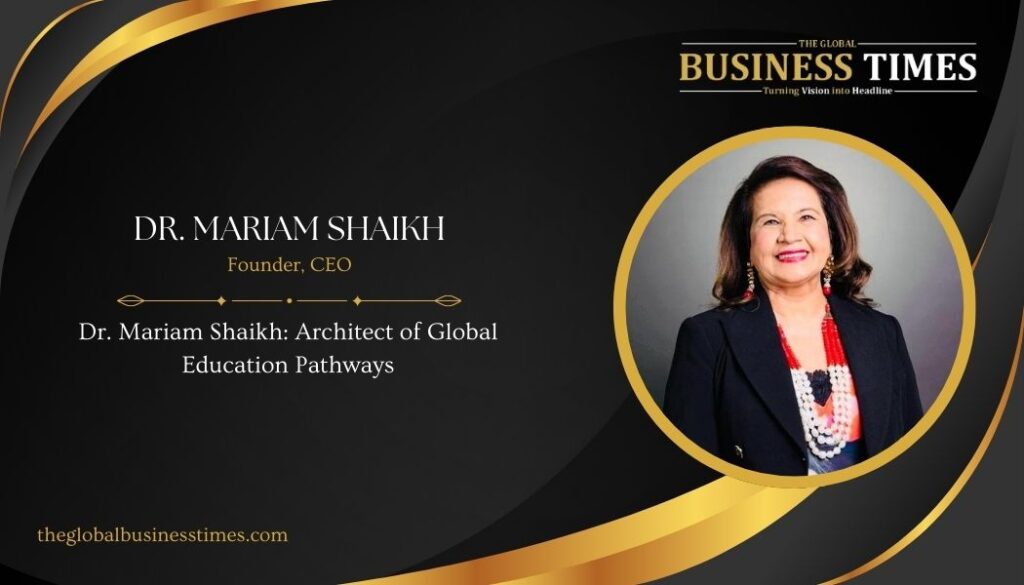
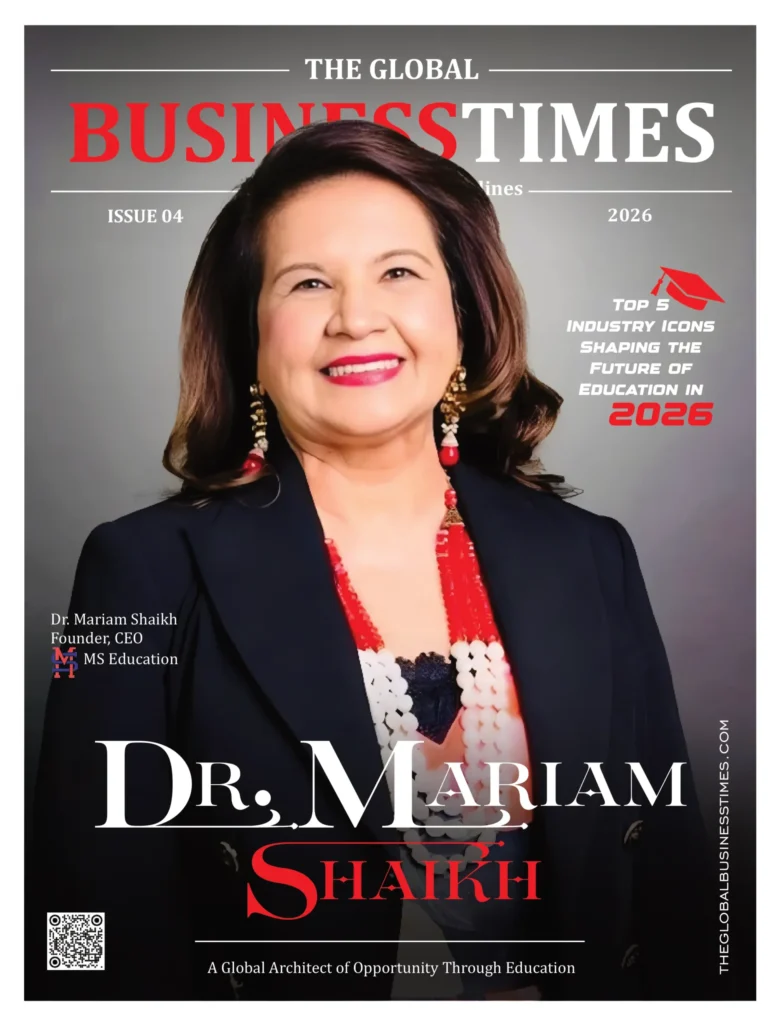
Dr. Mariam Shaikh: Architect of Global Education Pathways Redefining Leadership, Legacy, and the Future of International Education In a region defined by ambition, transformation, and global connectivity, few leaders have shaped the education landscape as profoundly and persistently as Dr. Mariam Shaikh. With more than three and a half decades of experience spanning early childhood education, K–12 leadership, higher education start-ups, international university partnerships, and global student mobility, Dr. Shaikh stands as a cornerstone of the UAE’s rise as a global education hub. Today, as the Founder and CEO of MS Education, Dr. Mariam Shaikh continues to influence the future of education bridging continents, cultures, and institutions while empowering students from over 100 nationalities to pursue global opportunities. Her journey is not merely one of professional milestones; it is a story of vision, resilience, and an unwavering belief in education as a transformative force. A Journey Rooted in Purpose Dr. Mariam Shaikh’s journey in education began long before global rankings, international branch campuses, and education cities became common terminology in the Middle East. In the early 1980s, driven by a passion for learning and child development, she founded her own preschool in the UAE. At a time when the region’s formal education ecosystem was still evolving, her initiative reflected both foresight and courage. Her early work laid the foundation for a career defined by student-centric leadership. As she progressed to head a well-known school group as Principal, Dr. Mariam became the driving force behind its exponential growth. Under her leadership, the institution expanded to serve over 7,000 students, becoming one of the largest Asian schools in the UAE at the time. More importantly, it became a model of academic excellence, operational scale, and community trust. This period marked the emergence of Dr. Mariam’s defining leadership trait: the ability to combine strategic growth with educational integrity. Pioneering Higher Education in Dubai The early 2000s represented a turning point not only in Dr. Mariam’s career but also in the UAE’s education narrative. As Dubai embarked on its journey to become an international education destination, Dr. Mariam transitioned into the higher education sector at a formative stage of its development. One of her most pioneering achievements was playing a central role in establishing one of the first overseas university branch campuses in Dubai for the University of New Brunswick, Canada. This initiative was groundbreaking, setting a precedent for international universities seeking to establish a presence in the region. Her success in this endeavor led to senior leadership roles with some of the most respected international institutions operating in the UAE, including: Canadian University of Dubai Heriot-Watt University Dubai Campus Amity University Dubai Across these institutions, Dr. Mariam was instrumental in start-up operations, student recruitment strategies, international branding, and long-term growth planning. She led the expansion of student populations at scale, contributing directly to the transition from initial academic centers to fully-fledged campuses with comprehensive facilities. Her work helped redefine Dubai’s reputation from a regional education destination to a globally competitive higher education ecosystem. A Global Connector of Institutions Beyond campus development, Dr. Mariam Shaikh emerged as a trusted architect of international academic partnerships. She facilitated articulation agreements and strategic collaborations between institutions in the UAE and universities across: Europe Canada The United States Australia China These partnerships opened pathways for student exchange, study-abroad programs, dual degrees, and joint academic initiatives providing students with global exposure while strengthening institutional credibility. Her leadership extended into experiential learning as well. Dr. Mariam hosted multiple global business challenge competitions, bringing international students to the UAE and positioning the country as a center for innovation, enterprise, and cross-cultural collaboration. She was also among the first education leaders to actively support and operationalize the “Study in Dubai” initiative, successfully recruiting 120 Chinese students to pursue higher education in the emirate well ahead of large-scale international recruitment trends. The Birth of MS Education In 2020, drawing upon decades of experience and an unparalleled network across education, government, and industry, Dr. Mariam Shaikh founded MS Education in the United Arab Emirates. The firm was established with a clear mission: to empower students and institutions with access to global opportunities through expert guidance, innovation, and collaboration. Today, MS Education stands as a premier education advisory firm, offering specialized services including: Student recruitment and international partnerships New education entity and campus set-up advisory Institutional marketing, branding, and market-entry strategy University and career fairs, alumni engagement initiatives Innovative learning and professional training programs Entrepreneurial initiatives and internship facilitation UAE cultural awareness and global exchange programs Under Dr. Mariam’s leadership, the firm has become a trusted partner for universities, colleges, training institutes, and corporate organizations across the UAE, GCC, and beyond. Strategic Global Representation Dr. Mariam’s influence through MS Education extends well beyond advisory services. Since 2021, she has served as the Middle East Strategist for the University of Guelph (Canada), significantly expanding student outreach and institutional partnerships across the UAE and GCC. In 2023, MS Education was appointed as the Middle East Regional Representative for Toronto Metropolitan University (formerly Ryerson University), supporting student recruitment and regional engagement. Most recently, the firm has been: Appointed to facilitate the start-up of a new Canadian education entity in Dubai Designated as the official UAE representative for Kean University, New Jersey, USA, a nationally ranked R2 Carnegie Research institution recognized for its extensive research portfolio These appointments underscore Dr. Mariam’s credibility as a global education strategist and her ability to align international institutions with regional priorities. Championing Students and Diversity At the heart of Dr. Mariam Shaikh’s career lies an unwavering commitment to students. Over the years, she has worked closely with learners from more than 100 nationalities, guiding them through academic decisions that shape not only careers, but lives. Her approach goes beyond admissions and placements. She is deeply invested in: Student experience and well-being Cultural integration and belonging Career readiness and global employability Her advocacy also extends to social impact. Dr. Mariam has supported CSR initiatives with UNHCR, helping provide scholarships for refugee students ensuring
Dr. Mariam Shaikh: Architect of Global Education Pathways Read More »
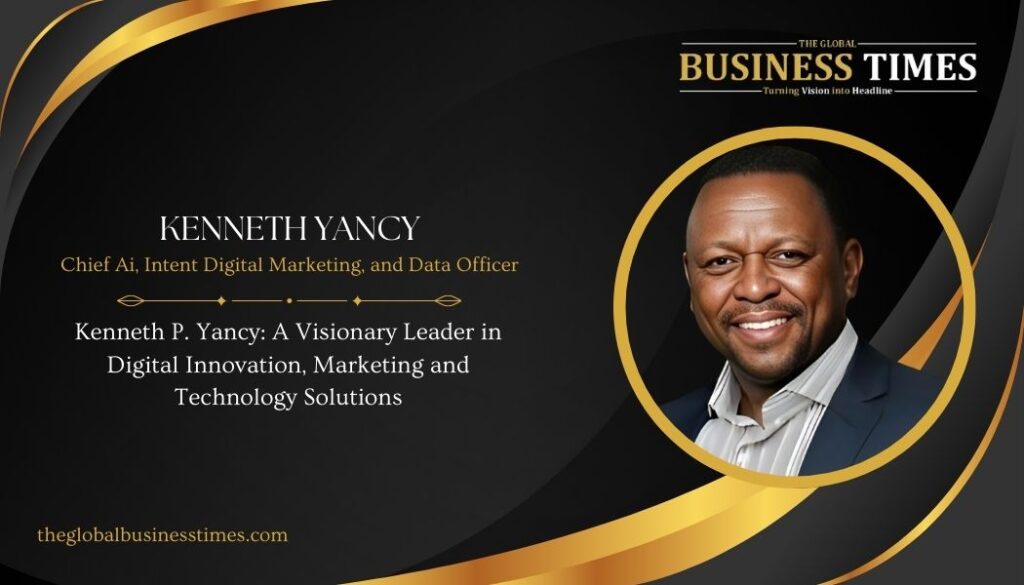
Kenneth P. Yancy: A Visionary Leader in Digital Innovation, Marketing and Technology Solutions Kenneth P. Yancy is a seasoned executive with over four decades of experience driving innovation at the intersection of digital marketing, technology, telecommunications and business development. Known for his strategic insight and results-oriented approach, he has built a career characterized by transformative leadership, cross-functional expertise and a deep commitment to leveraging technology to accelerate business growth. A Career Built on Technology and Transformation Kenneth’s professional journey began at IBM, where he developed a strong foundation in leveraging cutting-edge technology for service delivery, operational efficiency and organizational expansion. His early exposure to complex systems and technology adoption shaped his holistic understanding of how digital solutions can drive competitive advantage. Over the years, he expanded his expertise across major corporations including Sprint and Cisco Systems, where he gained extensive experience in broadband, telecom, digital services and customer engagement strategies. These formative roles provided him with a broad perspective on how technology can be harnessed to solve real-world business challenges and deliver meaningful outcomes. Entrepreneurial Leadership and Strategic Impact Kenneth has played a pivotal role in helping organizations harness the power of digital tools and platforms. He has led initiatives in digital marketing, custom software development, business operations and professional services delivery, consistently emphasizing data-driven decision-making and measurable performance outcomes. His leadership encompasses everything from planning and executing comprehensive web and database marketing campaigns to designing advanced AI and machine learning platforms. He has also overseen the development of telehealth, virtual support systems and integrated broadband networks tailored to underserved communities, demonstrating his commitment to inclusive innovation and community impact. A defining aspect of his career has been his ability to manage and inspire remote and cross-functional teams, ensuring that strategic objectives align with technology solutions that drive growth and operational excellence. Entrepreneurial Ventures and Product Innovation As a serial entrepreneur, Kenneth has launched and led technology ventures that bring practical, user-centric solutions to life. His work includes developing digital platforms for communication, community engagement and essential services, emphasizing ease of use, scalability and performance optimization. His creative development of alternative video communication platforms and AI-enhanced marketing systems underscores his foresight into emerging technological trends and his ability to anticipate the evolving needs of businesses and consumers alike. Thought Leadership and Industry Contribution Throughout his career, Kenneth has been recognized as a thought leader in digital innovation and strategic marketing. He actively contributes to entrepreneurial ecosystems, collaborates with innovation centers and participates in fellowships that nurture future technology leaders. His professional philosophy centers on continuous learning, creative problem-solving and maintaining a forward-looking mindset that embraces change as a catalyst for growth. By integrating his deep technical knowledge with strategic business insights, he has helped organizations navigate complex challenges and capitalize on new opportunities. A Legacy of Innovation and Influence Kenneth P. Yancy’s professional narrative is defined by a rare combination of technological expertise, strategic leadership and an entrepreneurial spirit. His contributions have spanned transformations in digital marketing, broadband services, software solutions and community-focused technology platforms. Through his work, he continues to influence how businesses leverage innovation to achieve their goals and deliver meaningful impact in an increasingly digital world.