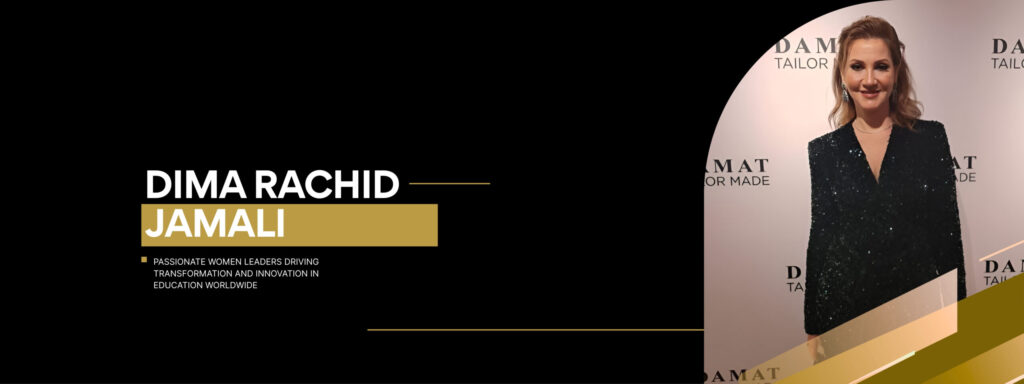
PASSIONATE WOMEN LEADERS DRIVING TRANSFORMATION AND INNOVATION IN EDUCATION WORLDWIDE
PASSIONATE WOMEN LEADERS DRIVING TRANSFORMATION AND INNOVATION IN EDUCATION WORLDWIDE Read More »
The Global Business Times Magazines




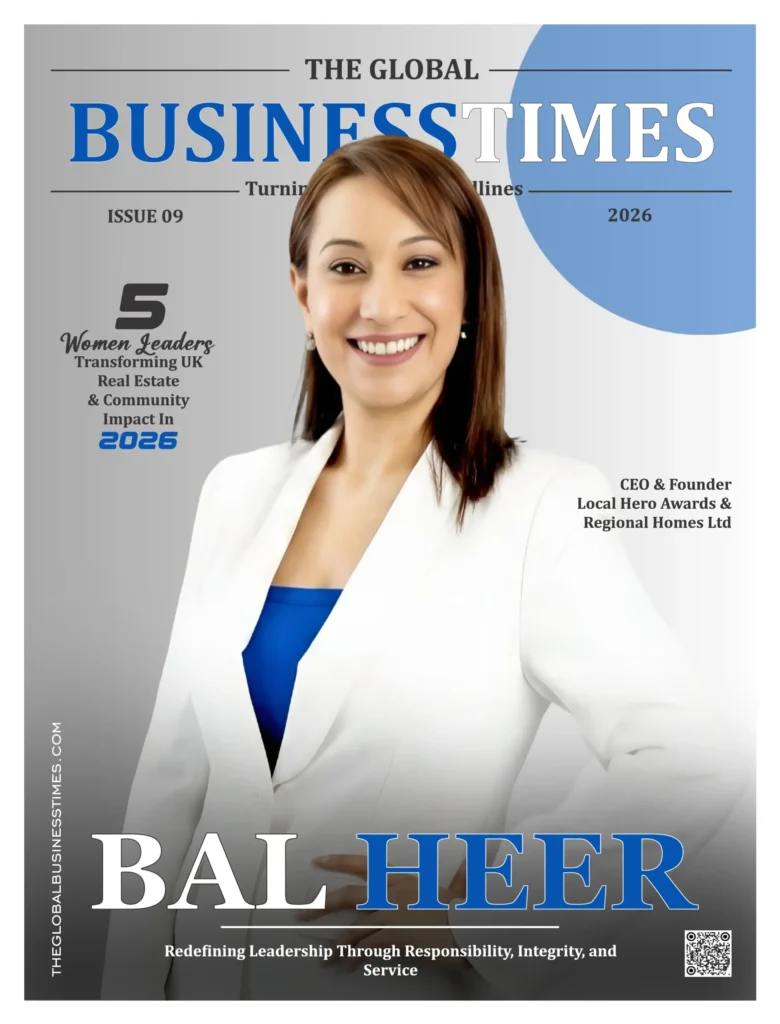
Transforming UK Real Estate and Community Impact Facebook Youtube Instagram Linkedin In an industry where success is often measured only by financial performance, Bal Heer has built a career defined by something far more meaningful: community impact, responsible leadership, and long-term value creation. As the CEO and Founder of Regional Homes Ltd and the Local Hero Awards, she has established herself as a visionary leader dedicated not only to developing properties but also to empowering communities and recognizing individuals who create positive social change. Bal Heer’s journey in real estate reflects determination, resilience, and a strong sense of purpose. Over the years, she has worked tirelessly to build projects that provide quality housing while also contributing to the social and economic growth of communities across the United Kingdom. Building a Vision in Real Estate Real estate development plays a critical role in shaping cities and communities. Through Regional Homes Ltd, Bal Heer has focused on creating high-quality housing developments that combine modern design, sustainability, and community-focused planning. Her approach to property development goes beyond construction. She believes that successful developments must support the broader needs of communities, including accessibility, infrastructure, and long-term sustainability. Under her leadership, Regional Homes has gained recognition for its commitment to responsible development and its ability to deliver projects that enhance local environments. Leadership Rooted in Responsibility Bal Heer’s leadership philosophy centers on responsibility, integrity, and service. She believes that business leaders have a duty not only to their organizations but also to the communities they serve. This mindset has shaped the culture of her organization and influenced the way projects are planned and delivered. By prioritizing transparency, collaboration, and ethical practices, she has built strong relationships with partners, stakeholders, and local communities. Her ability to balance business success with social responsibility has made her a respected figure within the real estate sector. Recognizing Community Heroes In addition to her work in real estate, Bal Heer is also the founder of the Local Hero Awards, an initiative that celebrates individuals who make extraordinary contributions to their communities. The awards recognize volunteers, educators, healthcare workers, entrepreneurs, and everyday citizens who dedicate their time and energy to improving the lives of others. Through this platform, Bal Heer has created an opportunity to highlight inspiring stories and encourage a culture of appreciation and community support. The Local Hero Awards reflect her belief that leadership is not limited to boardrooms or corporate environments. True leadership can be found in individuals who work quietly behind the scenes to uplift others. Empowering Communities Through Development Bal Heer’s projects often focus on delivering housing solutions that meet the needs of growing populations. With urban areas expanding rapidly, the demand for well-planned residential communities continues to increase. Her work emphasizes developments that are not only visually appealing but also functional and sustainable. By integrating green spaces, efficient infrastructure, and modern living environments, her projects aim to improve quality of life for residents. This commitment to thoughtful development has allowed her to contribute to the transformation of local neighborhoods while supporting economic growth. A Champion for Women in Leadership Bal Heer’s success also highlights the growing role of women in industries traditionally dominated by men, such as construction and real estate development. Through her leadership and achievements, she has become a role model for aspiring female entrepreneurs and professionals in the sector. She actively encourages women to pursue leadership roles, embrace their ambitions, and contribute to shaping the future of the industry. Her journey demonstrates that determination, vision, and perseverance can break barriers and open new opportunities. Driving Positive Change For Bal Heer, success is measured not only by business growth but also by the positive impact created through her work. Whether developing housing projects or recognizing community champions, she remains focused on creating lasting value. Her initiatives show that businesses can thrive while also supporting social progress and community empowerment. Looking Toward the Future As the real estate sector continues to evolve, leaders like Bal Heer will play a vital role in shaping how communities develop and grow. With her strong commitment to ethical leadership, sustainable development, and community recognition, she continues to inspire both industry professionals and community members alike. Bal Heer’s journey serves as a powerful reminder that leadership is most impactful when it combines vision with compassion and success with service. Local Hero Awards Facebook Instagram Youtube Wordpress Regional Homes Ltd Facebook Instagram Linkedin Wordpress
Redefining Leadership Through Responsibility, Integrity, and Service Read More »
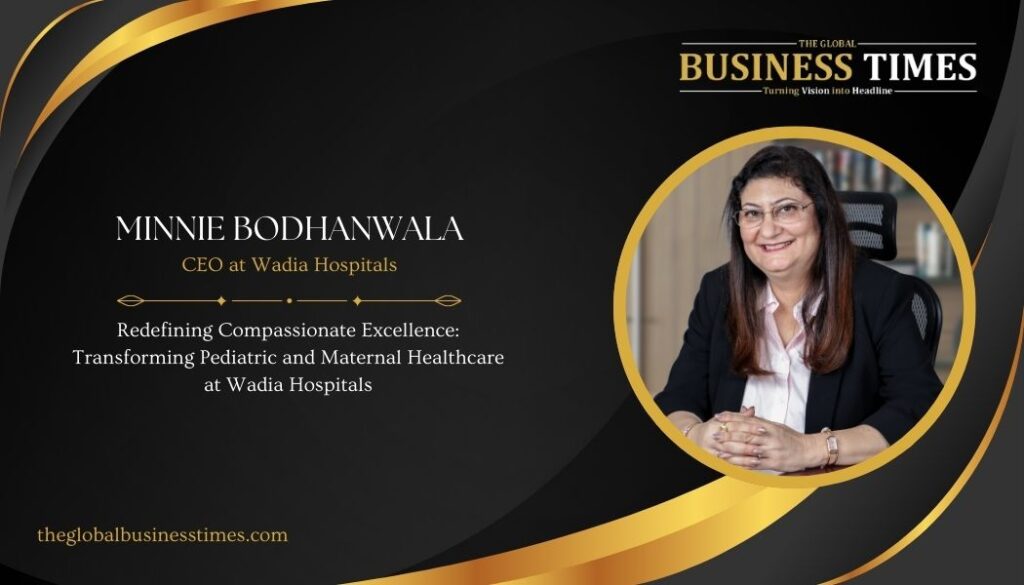
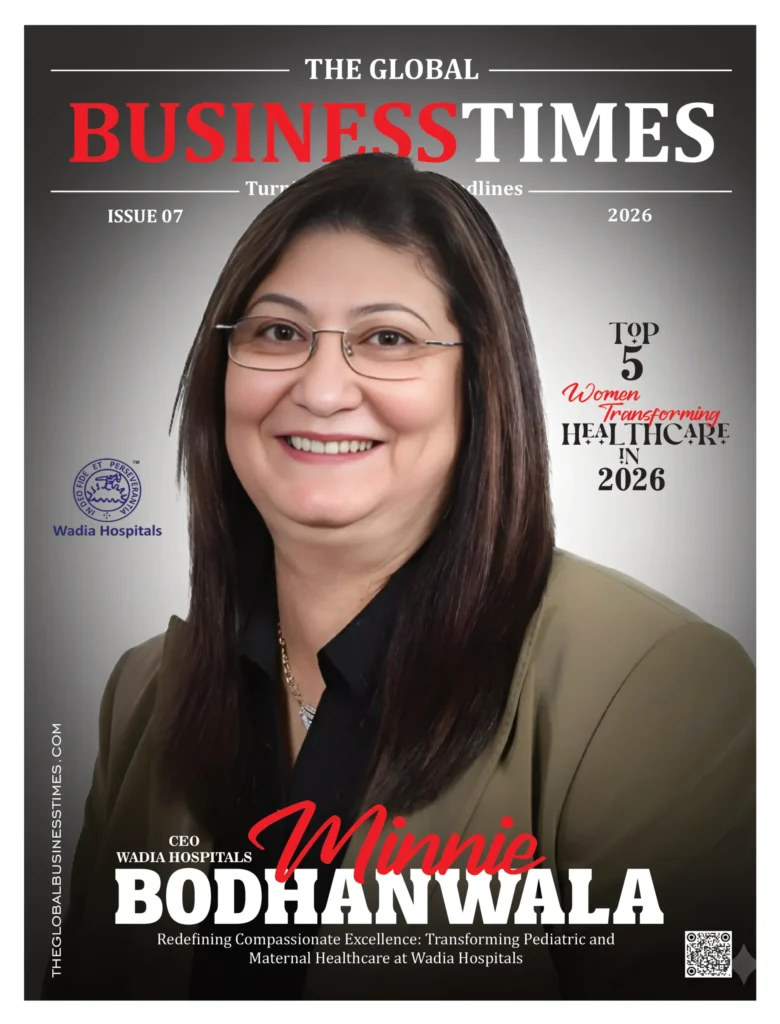
Redefining Compassionate Excellence: Transforming Pediatric and Maternal Healthcare at Wadia Hospitals Facebook Twitter Linkedin In 2026, healthcare leadership demands vision, resilience, and the ability to build systems that are innovative, patient-centered, and prepared for the future. Among the leaders embodying this transformation is Dr. Minnie Bodhanwala, a distinguished healthcare professional recognized for her purpose-driven leadership and commitment to advancing healthcare excellence. Her journey reflects a powerful balance of strategic thinking, innovation, and compassionate care. Through her work as a healthcare leader and mentor, Dr. Minnie Bodhanwala has strengthened institutions, improved patient outcomes, and inspired positive change across the healthcare sector. Her leadership continues to foster sustainable growth and forward-thinking medical practices. With a strong focus on collaboration, empowerment, and long-term value creation, she plays a pivotal role in shaping modern healthcare environments. In this special edition, Top 5 Women Transforming Healthcare in 2026, we recognize Dr. Minnie Bodhanwala and other influential women redefining the future of healthcare worldwide. Expanding Access to Care Across many parts of India, economic disparities and geographical challenges continue to limit access to quality healthcare, especially in pediatric and maternal services. At Wadia Hospitals, Minnie implemented a strict no-refusal policy for critical pediatric emergencies, ensuring that no child in urgent need is turned away. Affordability is sustained through structured initiatives including cross-subsidization models, corporate social responsibility partnerships, government healthcare schemes, and a dedicated social work department that guides families through financial assistance processes. This approach ensures that healthcare equity is not just an aspiration but a practical reality. Her commitment extends beyond the hospital walls. Minnie has organized HIV awareness workshops in collaboration with international institutions and serves on advisory boards supporting healthcare initiatives and outreach programs. She believes hospital care must always be complemented by community outreach and preventive awareness efforts. Leadership in Times of Crisis Healthcare leadership is most tested during crises. Public health emergencies and sudden surges in patient volumes demand clarity, coordination, and decisive action. Minnie believes that preparedness is more powerful than improvisation. Her crisis management philosophy focuses on clear operational protocols, transparent communication, and collaborative coordination with government bodies and non-profit organizations. During high-pressure situations, she prioritizes calm leadership and accessibility. By remaining actively engaged with frontline teams, she builds confidence and encourages collective resilience. For Minnie, leadership means standing beside your team when it matters most. Empowering Healthcare Professionals Pediatric and maternal healthcare environments can be emotionally demanding. Recognizing this, Minnie places strong emphasis on supporting and empowering healthcare professionals. Her initiatives include continuous medical education, nurse leadership development programs, mental wellness initiatives for staff, and structured recognition systems that celebrate the dedication of healthcare teams. Skill development extends beyond clinical expertise to include communication, leadership, and ethical decision-making. She believes that when healthcare professionals feel valued and supported, patient care naturally improves. By cultivating a culture of accountability, learning, and compassion, she ensures that people remain the foundation of the hospital’s strength. Breaking Barriers Through Performance As a woman leading a historic charitable healthcare institution, Minnie has navigated skepticism and bias throughout her career. Instead of responding defensively, she allowed her work and results to speak for themselves. Under her leadership, the hospital has achieved important accreditation milestones, expanded infrastructure, strengthened financial discipline, and improved patient outcomes. These achievements have helped establish credibility and trust across the healthcare community. Her work has earned international recognition and prestigious awards within the healthcare and business sectors. However, she views success differently. For Minnie, the true measure of success lies in meaningful impact rather than personal recognition. She now actively mentors emerging women leaders, encouraging them to pursue healthcare leadership with confidence, resilience, and integrity. Financial Discipline as a Social Responsibility One of Minnie’s most distinctive leadership strengths is her ability to balance financial sustainability with a strong social mission. By implementing structured operational systems and strategic financial planning methods, she has improved efficiency while preserving the hospital’s commitment to charitable care. Her philosophy emphasizes that sustainability ensures healthcare institutions can continue serving communities for generations. For Minnie, financial discipline and compassion are not opposing forces. Instead, they are essential partners in building resilient healthcare systems. A Vision for the Future Looking ahead, Minnie envisions a healthcare ecosystem where pediatric and maternal healthcare receive stronger policy attention and broader national support. She advocates for expanding early screening programs, integrating digital health technologies into patient care, and strengthening quality and accreditation frameworks across healthcare institutions. Her long-term goal is to build a sustainable and high-quality charitable healthcare model that continues to serve communities for decades to come. She believes excellence and equity must always remain central values within healthcare. Leadership Rooted in Service At the core of Minnie Bodhanwala’s journey lies a simple yet powerful belief: Healthcare leadership is ultimately about service. It requires courage to make difficult decisions, humility to listen to frontline teams, and the discipline to uphold ethical standards even during challenging times. Her work demonstrates that compassionate care and operational excellence can coexist without compromise. In a world where healthcare discussions often revolve around numbers and growth metrics, Minnie’s leadership reminds us that the true measure of success lies elsewhere. It lies in healthier children, empowered mothers, and families who leave the hospital with renewed hope. Through dedication, empathy, and strategic leadership, Minnie Bodhanwala continues to redefine healthcare leadership in India by focusing not on numbers, but on protecting futures.
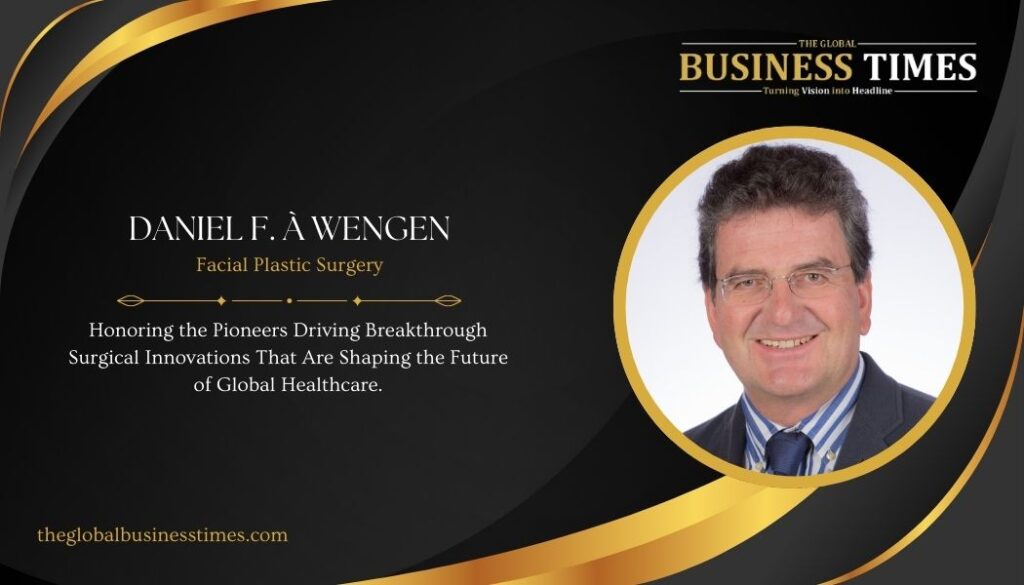
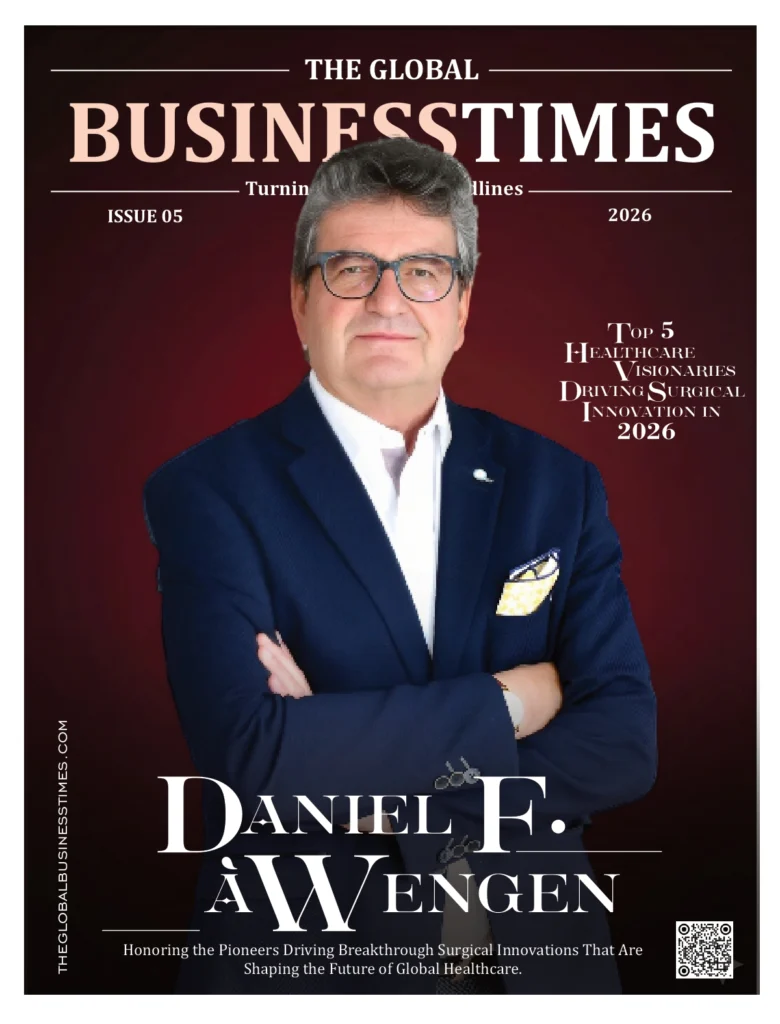
Prof. Dr. Daniel F. à Wengen: The Surgeon Who Gave the World a Freer Breath and a Clearer Sound “Air is life and breathing is freedom.” For Prof. Dr. Daniel F. à Wengen, those words are not simply poetic, they are the foundation of a lifelong mission. Over several decades, the Swiss facial plastic and otologic surgeon has transformed how medicine approaches two of the most fundamental functions of human life: breathing and hearing. Through pioneering implants, meticulous surgical techniques, and a relentless commitment to innovation, he has given thousands of patients something many people never think about until it is lost, the ability to breathe and hear with ease. Today, more than ten thousand people around the world live with his Titanium Breathe Implant, while many more benefit from middle ear prostheses and concepts that grew out of his early work on hearing implants. Yet behind this impressive record of patents, surgical techniques, and international recognition stands a physician who, above all, measures success in quiet, deeply personal moments. It is the patient who finally sleeps through the night without snoring, the individual who can walk up a flight of stairs without struggling for air, or the person who hears a loved one clearly again. Those are the outcomes that truly define his legacy. From Basel to California: A Career Forged in Curiosity and Courage Prof. à Wengen’s story begins in Switzerland, at the University of Basel and the University Hospital of Basel, where he completed his specialist training in otorhinolaryngology. Very early in his career, he realised that he was not content to simply apply existing techniques. He was drawn to the unknown frontiers of his specialty, where anatomy, physics, and technology intersect, and where completely new solutions could be engineered for long standing medical problems. After his initial specialist training, he undertook a surgical fellowship at the University of Davis Medical Center in Sacramento, California, from 1991 to 1992. There, he refined his manual skills and deepened his understanding of complex head and neck as well as skullbase procedures. This period strengthened his conviction that truly outstanding surgery demands both technical mastery and a profound respect for anatomy. The real turning point, however, came with a generous research grant from the Swiss National Science Foundation, which allowed him to spend 1992 to 1993 as an Otologic Fellow at Stanford University in Palo Alto. At Stanford, he joined a cutting edge research laboratory focused on implantable hearing aids, led by Professor Dick Goode. Rather than working on incremental improvements to existing hearing aids, this group was exploring the radical idea of directly driving the structures of the middle ear. Immersed in this environment, Prof. à Wengen started a new research program and helped to develop a new type of middle ear implant that bypassed the limitations of conventional acoustic hearing aids. By transmitting sound energy directly to the hearing structures of the middle ear, this implant provided far superior sound quality and clarity. This pioneering work eventually contributed to the development of the Vibrant Soundbridge, which is today regarded as the most successful middle ear implant in the world. It also became the core topic of his academic thesis, and a contribution he remains deeply proud of. Following his time in California, he returned to Switzerland to pursue further top level otologic training at the University Hospital Zurich under Professor Ugo Fisch, one of the most respected names in ear surgery. This cemented his expertise in otologic and skull base procedures and prepared him for the broader vision that would define his later career. Back at the University Hospital of Basel, his focus gradually expanded. What began as a deep engagement with otologic surgery naturally evolved into a growing fascination with rhinoplasty and aesthetic, yet functional, nasal surgery. Instead of choosing between ear or nose, functional or aesthetic work, he chose to master all of them. That choice required courage and years of dedication, but it became one of the defining strengths of his career. Refusing Limits and Accepting the Cost of Innovation Throughout this journey, Prof. à Wengen consistently refused to let himself be confined by established boundaries. Whether in otologic implants or functional and aesthetic nasal surgery, he pushed himself to question assumptions, challenge conventional wisdom, and design better solutions for patients. “I never allowed myself to be limited in any of my areas of interest,” he reflects. “It took a great deal of courage to push boundaries and develop new surgical techniques, implants, and instruments.” That courage always came with risk. Innovators in medicine must accept not only the possibility of technical failure, but also the social risk of misunderstanding, criticism, and sometimes ridicule. Many of his ideas and techniques were so far ahead of general practice that colleagues struggled to accept them. He experienced resistance, scepticism, and even active obstruction from some peers. One of the hardest lessons of his career has been that innovation often needs around twenty years before it is fully accepted in the field. Despite this, he persisted. He remained guided by logic, anatomy, patient benefit, and long term clinical outcomes rather than short term popularity. That decision, repeated over decades, laid the foundation for the contributions that now define his name. ORL Center Basel: A Home for High End Surgery of Nose, Face, and Ear As the founder and lead surgeon of the ORL Center in Basel, Prof. à Wengen has created a practice that reflects his philosophy in every detail. The center is dedicated to high end functional and aesthetic surgery of the nose, face, and ear, three areas that are anatomically distinct and technically demanding, yet deeply interconnected in everyday function. For him, true excellence in surgery begins with knowledge. A deep understanding of human anatomy forms the basis of every operation. From there, a three dimensional way of thinking allows the surgeon to visualise structures, plan precise interventions, and anticipate how each manoeuvre will affect the final functional and aesthetic outcome. Manual dexterity, while essential,