
Wall Street Suffers Sharp Sell-Off as AI Spending Concerns Rattle Technology Stocks
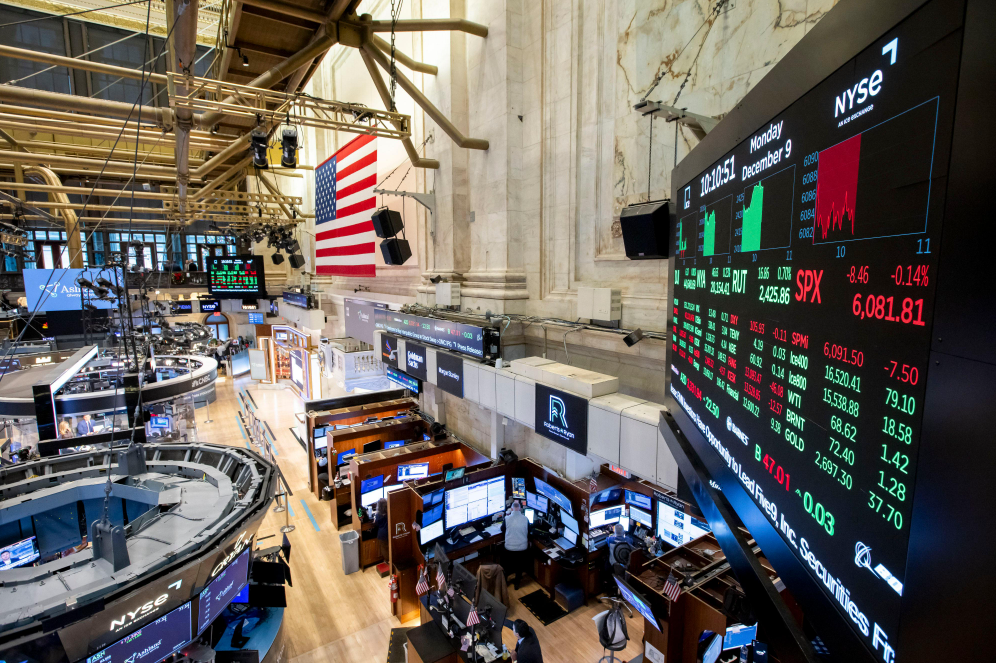
Global markets retreat as investors reassess technology valuations
U.S. stock markets recorded their steepest single-session decline in several months on Friday, October 30, as concerns over artificial intelligence spending, technology company valuations and weaker corporate forecasts triggered widespread selling. The Nasdaq Composite led the decline, reflecting pressure on major technology and semiconductor companies, while investors moved towards safer assets such as U.S. government bonds.
The sell-off highlights growing investor scrutiny of the enormous capital commitments being made by technology companies to develop artificial intelligence infrastructure. Although AI remains a major driver of corporate investment, questions are emerging over whether expected returns will justify the cost of building data centres, purchasing advanced processors and expanding cloud computing capacity.
The market reaction followed disappointing developments involving Intel and Amazon, adding pressure to an already sensitive technology sector. Intel’s weaker profit outlook intensified concerns about the personal computer market, while Amazon’s spending requirements raised questions about the financial returns from its AI expansion.
Key Market Indicators
S&P 500: Fell 1.8% to 7,580.07.
Nasdaq Composite: Declined 2.9% to 25,437.
Intel: Shares plunged nearly 29%, marking their worst single-day performance since 1974.
Industry and Investor Outlook
According to market reporting by the Associated Press and Reuters, investors are increasingly distinguishing between companies capable of generating sustainable returns from AI investments and businesses facing rising infrastructure costs.
The latest developments suggest that corporate earnings, cash flow and capital expenditure will remain central to technology-sector valuations. Investors are likely to demand clearer evidence of profitability before assigning premium valuations to AI-related businesses.
The correction does not necessarily signal the end of the AI investment cycle. However, it demonstrates that strong demand for artificial intelligence must ultimately translate into measurable commercial returns.