
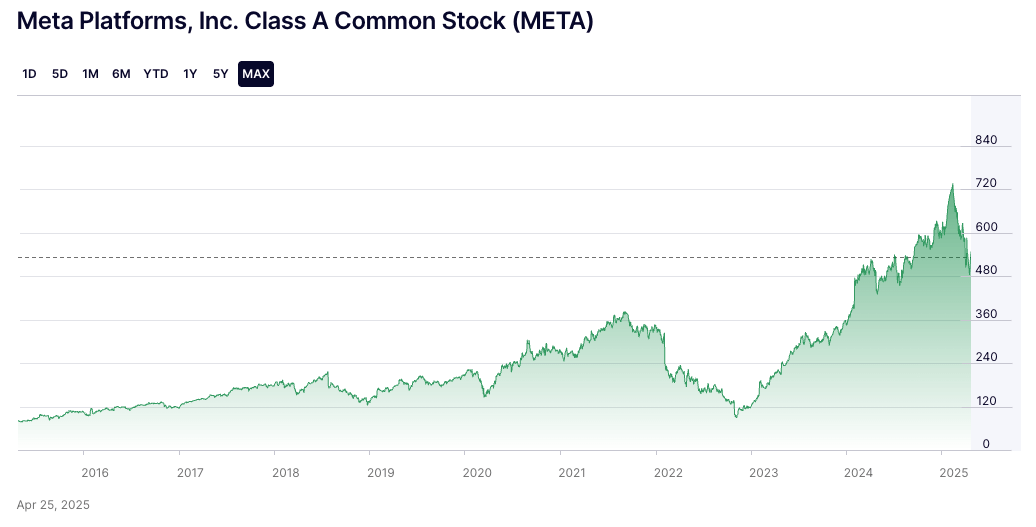
The Fall Behind the Race: How Meta Platforms’ Bold Bet Backfired
For years, Meta Platforms stood proudly as one of the titans of tech. But lately, it’s been clear that titans don’t always stay unchallenged. After reporting a 26 % revenue growth in its most recent quarter, Meta’s announcements sparked a sharper reaction than the numbers alone would suggest. Investors fixated on one phrase: “notably larger capital expenses next year.”
Those two words triggered a ripple effect. Why? Because they signalled that Meta was going all-in on building AI infrastructure—data centres, networks, arms of research—at a scale that would demand billions in spending. The result: Meta’s stock plunged 11 % on that forecast alone, erasing more than $29 billion from the fortune of its founder-CEO, Mark Zuckerberg, and knocking him out of the top spots on the global billionaire index.
But this isn’t just a wealth-story. It’s a warning light. It reveals the risks that come when a company leans heavily into future promise while current sentiment turns cautious. The tech industry is shifting too: Investors want not just growth, but profitable growth or at least a credible path to it. Meta’s spending spree is a bet on the long game—but Wall Street responded with impatience for shorter-term accountability.
Why It Matters
For Meta: The blow to its market value and to investor confidence may force a rethink in how aggressively it pursues expensive, long-term projects.
For the tech sector: The episode underscores a key tension: will companies with massive ambitions and heavy investment go the distance—or will the pace of spending become a liability?
For investors and markets: It signals that the honeymoon phase for AI and infrastructure splurges might be fading. Big promises now must carry big discipline.
For the broader economy: As companies shift vast sums into new infrastructure (AI, cloud, chips), we’ll likely see knock-on effects in employment, supply chains, and global competition among tech powers.
What to Watch Next
Will Meta cut back or delay some of its investment plans to ease investor concerns?
How will Meta’s competitors respond? If rivals like Alphabet Inc. or Amazon.com Inc. capitalise on this moment, we might see a reshuffle in leadership across Big Tech.
What will regulators and governments do? Massive AI infrastructure can raise questions of data sovereignty, competition and national security.
How will Meta’s strategic pivot affect its consumer-facing products (Facebook, Instagram, WhatsApp)? Will cost pressures impact user experience, features, or monetisation?
This story isn’t just about a stock plunge or a billionaire’s net-worth—it’s about the crossroads at which Big Tech now stands. Whether Meta’s gamble pays off could shape the next decade of how technology is built, how it’s funded, and who controls it.