
A New Chapter in the Indo-Pacific: When Shields Become Bridges
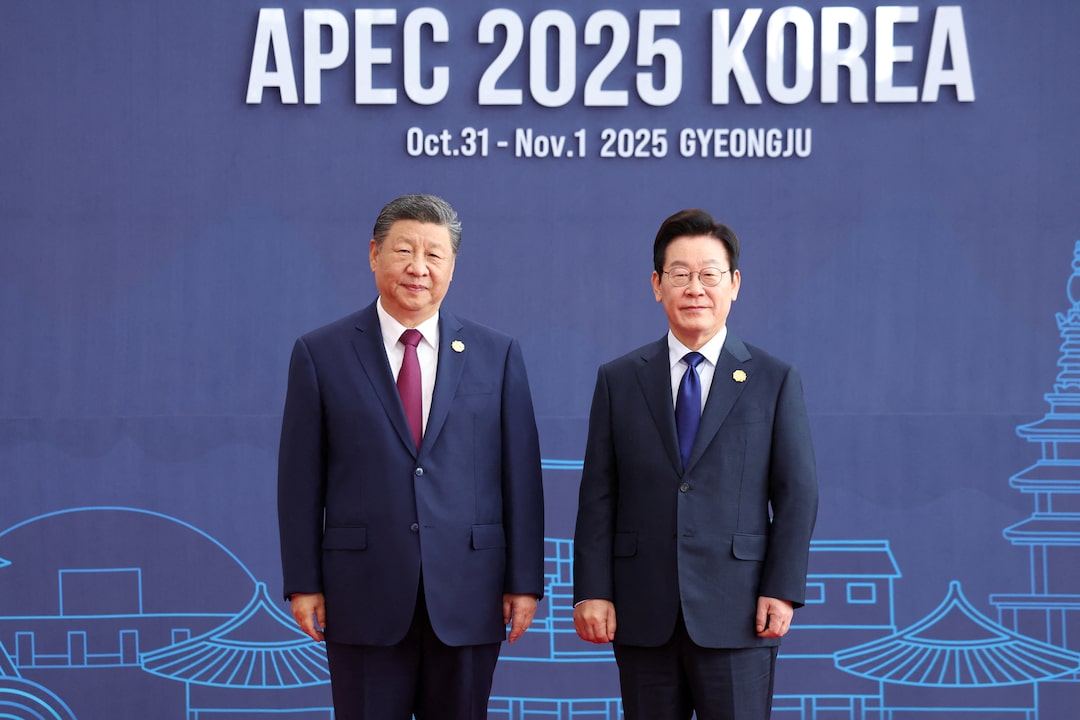
On the crisp autumn morning of November 1, 2025, the halls of the summit centre in Gyeongju, South Korea, were charged with an unusual mix of ceremony and uncertainty. As delegates gathered for the closing session of the APEC 2025 Summit, all-eyes were on two figures whose presence alone seemed to signal that something more than diplomacy was at play: Xi Jinping of China and Donald Trump of the United States.
Viewed from the vantage of geography and strategy, the Indo-Pacific region has long been defined by fault-lines: trade tensions, military posturing, ideological divides. Yet today, what unfolded was subtly different. The two leaders—once symbols of deep rivalry—posed side-by-side in a gesture that felt more like a prelude than a finale: Trump offering a handshake, Xi offering a nod, and South Korea’s president playing elegant host.
The Moment That Caught the Lens
As cameras flashed and the world tuned in, the summit’s communiqué spoke of “shared interests, responsible leadership and the need to ensure that all nations gain from the region’s growth.” It was language familiar enough—but the spectacle of China and the U.S. under the same roof nonetheless carried deeper resonance than the words themselves.
In the corridors, delegates whispered of earlier drafts: harsher tones softened, references to “strategic competition” replaced by “constructive collaboration.” In the lobby’s coffee lounge, analysts noted the change not in what was said, but what was unsaid—the reference to exclusion zones, to spheres of influence, to zero-sum gains, all missing from the final text.
Why It Matters
This technical “summit handshake” matters because symbols open doors. When two great powers once at odds show up at the same table, it tells smaller nations something: the game is changing. For exporters in Southeast Asia, it suggests tariffs may ease. For military planners in the region, it suggests a recalibration of alliances. For heads of state in capitals large and small, it suggests the era of head-on confrontation may be giving way to a subtler competition—one rooted in economics, infrastructure, and influence rather than tanks and warships.
It also matters because timing is everything. With security flash-points in Taiwan, the South China Sea, and the Korean Peninsula still very much alive, this summit did not guarantee peace—but it did open a window for diplomacy.
What Happens Next
Will this summit actually translate into coordinated trade deals, or is this merely a photo-op? Watch for announcements in the coming weeks: new bilateral pacts, infrastructure funding commitments, or joint statements on emerging technologies.
Will regional players respond? Countries like Vietnam, Indonesia and the Philippines will soon map their strategies—if the U.S. and China shift tone, their choices become richer and more complex.
How will domestic political winds respond? Leaders in Washington and Beijing both face populist pressures—what was achievable today may be challenged tomorrow by rivals who prefer tougher postures.
In the End
Out of the summit’s ornate hallways and flags of many colours emerged a simple yet potent message: in a world of shifting tectonics, change often arrives not with fireworks, but with handshakes. For the Indo-Pacific region, that handshake may be the first step in a transformation that reorganises not only trade maps, but strategic mind-maps too.